This ancient mammal challenges what we thought we knew about how teeth grow
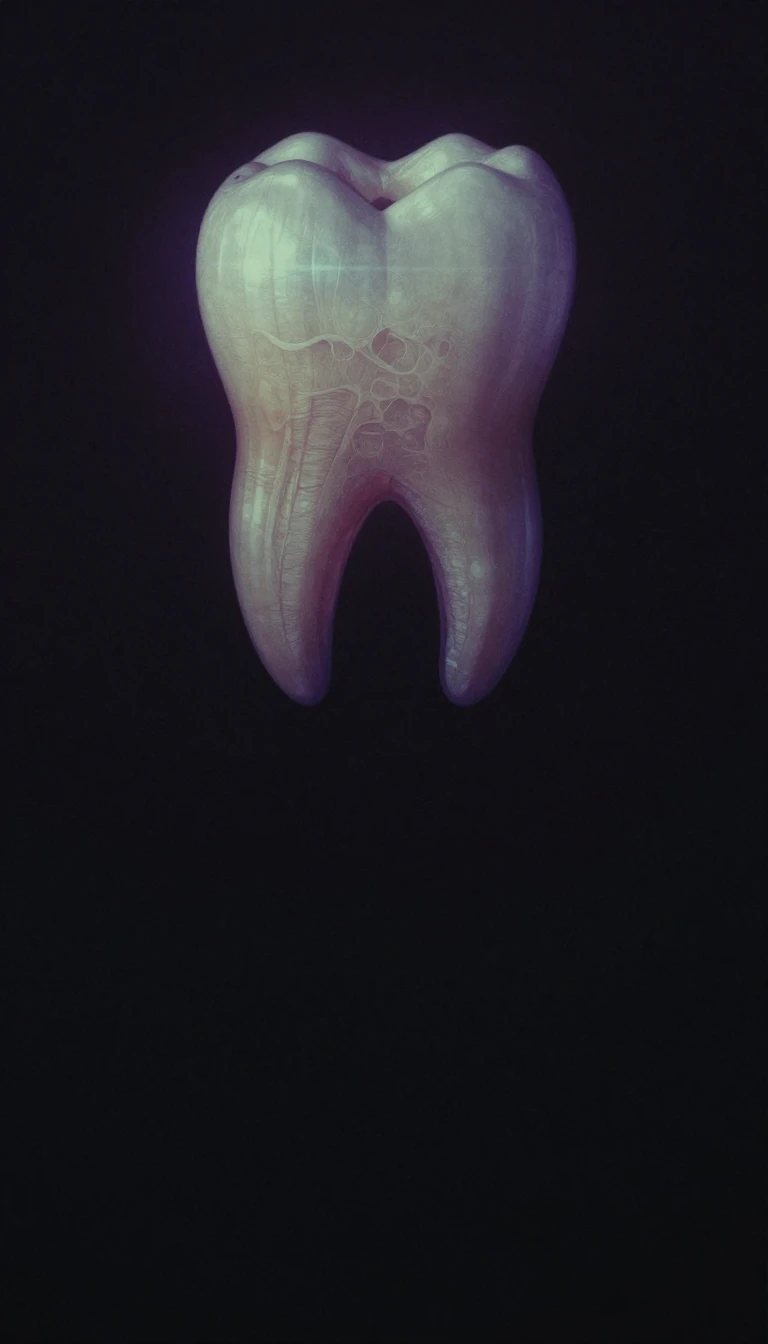
In short: Most modern mammals replace their teeth only once, a trait called diphyodonty. However, a newly discovered fossil from China reveals that some early mammals, known as eutriconodonts, maintained the reptilian habit of multiple tooth generations. This discovery complicates our understanding of how key mammalian traits evolved over millions of years.
The specimen, named Dongoconodon platycauda, dates back approximately 120 million years to the Early Cretaceous. Found in the Jiufotang Formation in Liaoning, China, this nearly complete skeleton offers a rare glimpse into the anatomy of early mammals. Unlike modern mammals that typically have two sets of teeth, this creature exhibited polyphyodonty, meaning it grew multiple generations of teeth throughout its life. This finding is significant because it highlights that the transition to the limited dental replacement seen in today's mammals was not a straightforward or singular event.
Beyond its teeth, Dongoconodon provides critical evidence regarding the evolution of the mammalian ear. In extant mammals, the auditory ossicles are fully detached from the lower jaw, a major evolutionary milestone. This fossil preserves a rare combination of features: a reduced, ossified Meckel’s cartilage and fully separated ear bones. This anatomical arrangement helps researchers map the developmental pathways that led to the modern mammalian ear structure, which remains a subject of ongoing scientific debate.
Eutriconodonta as a group represents a diverse array of early mammals that occupied various ecological niches during the Jurassic and Cretaceous periods. While traditionally viewed as small insectivores, recent discoveries show they possessed a wide range of body plans and locomotion methods. The exact placement of these animals within the mammalian family tree remains complex, with various studies debating whether they belong within the crown group of mammals or represent a distinct evolutionary branch. As more fossils like Dongoconodon are analyzed, our picture of these ancient creatures continues to shift from simple insect-eaters to a sophisticated and varied group of early mammals.
Opens the Intellect+ feed with this card first. Swipe up for the next one.
Sources
- Summary by Intellect · source: A polyphyodont, semiaquatic eutriconodontan mammal from the Early Cretaceous of China - Nature Communications
- Also: Eutriconodonta
To cite this card, link to https://intellectplus.co.uk/app/nature-eutriconodonta.
How we source, check and correct cards: Editorial standards.
General information, not professional advice. Spotted an error? Flag the card or see corrections and complaints.
Intellect Plus is a visual educational discovery platform for exploring fascinating facts and ideas. Brain Food, Not Brain Rot. What is Intellect Plus?
Related
More in Vertebrates · More in Nature · Latest · A–Z · All topics
