Cozumel: A Caribbean island shaped by ancient Maya trade and modern ecological struggle
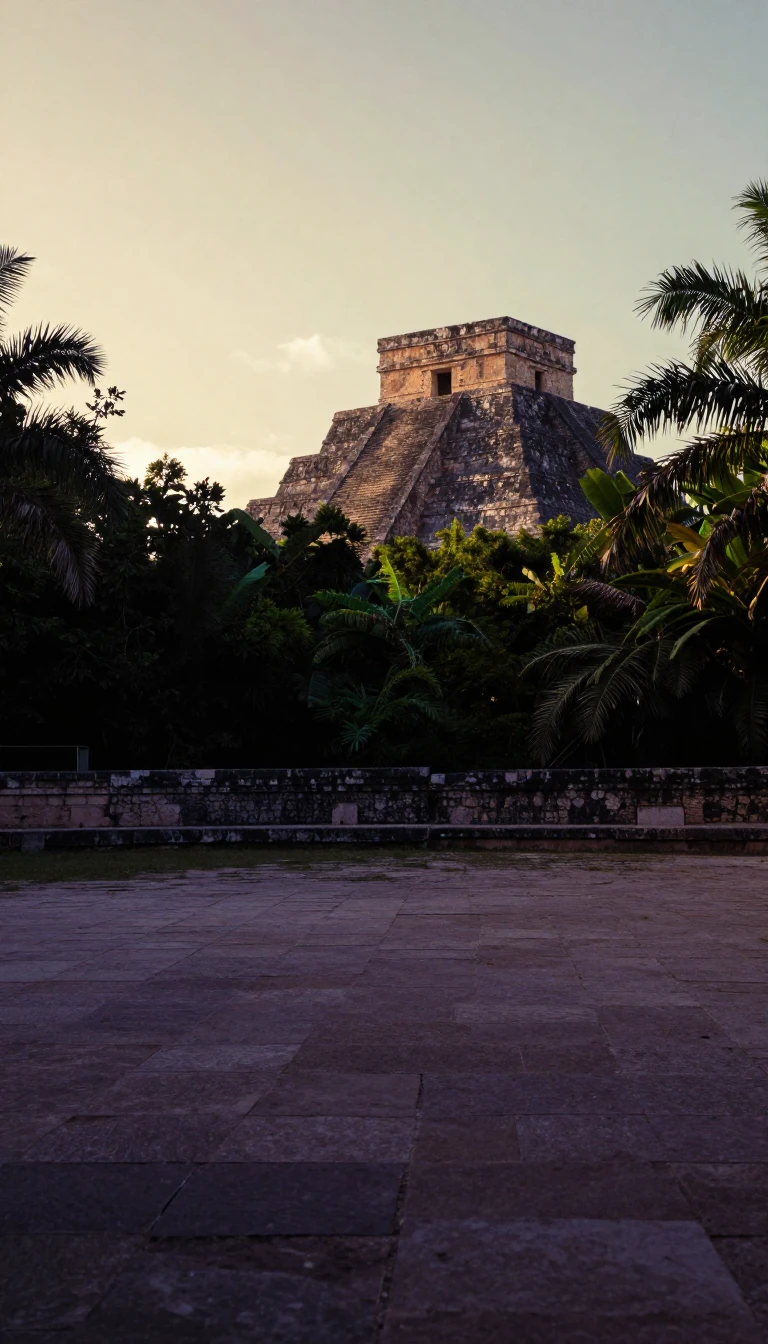
In short: Known as the island of swallows, Cozumel is a limestone jewel in the Caribbean. Beyond its reputation as a cruise ship hub, the island holds a complex history of Maya pilgrimage, colonial upheaval, and a unique evolutionary laboratory where species have either shrunk or grown to survive in isolation.
Cozumel, derived from the Mayan 'Cuzamil' or 'island of swallows,' has served as a vital maritime crossroads for centuries. During the Late Postclassic period, roughly 1250 to 1550 CE, the island flourished as a pilgrimage center dedicated to Ixchel, the goddess of the moon and weaving. Merchants navigated a trade network stretching from Honduras to Tabasco, utilizing a sophisticated system of raised roads known as sacbés. By the early 1500s, the island supported a population of up to 10,000 Maya, but this was decimated by smallpox introduced by the Pánfilo de Narváez expedition in 1520. By 1570, fewer than 400 inhabitants remained, leading to eventual evacuations to the mainland to escape pirate raids.
The island's geography is defined by a flat, karst landscape with a maximum elevation of less than 15 meters. This porous limestone has created over 250 shallow bodies of water and 18 deep cenotes. This isolation has driven remarkable biological phenomena: while some mammals like the Cozumel fox and coati exhibit insular dwarfism, certain rodents have evolved into giants compared to their mainland relatives. The surrounding waters are part of the Mesoamerican Barrier Reef System, home to over 1,000 marine species, including the endemic splendid toadfish. However, this biodiversity faces constant pressure from hurricanes and human activity.
Tourism remains the backbone of the modern economy, yet it sits in direct tension with conservation. The construction of a deepwater pier in the 1990s caused significant reef damage, and subsequent studies showed that hurricanes Emily and Wilma in 2005 further reduced live coral cover by 56 percent. In response, local efforts like the Cozumel Coral Reef Restoration Program and the implementation of rotating reef-rest strategies have been established to mitigate damage from tourism and diseases like 'white syndrome.' Despite these challenges, the island remains a protected biosphere, balancing its status as a premier travel destination with the urgent need to preserve its fragile, endemic ecosystems.
Opens the Intellect+ feed with this card first. Swipe up for the next one.
Sources
- Summary by Intellect · source: Cozumel
To cite this card, link to https://intellectplus.co.uk/app/nature-cozumel.
How we source, check and correct cards: Editorial standards.
General information, not professional advice. Spotted an error? Flag the card or see corrections and complaints.
Intellect Plus is a visual educational discovery platform for exploring fascinating facts and ideas. Brain Food, Not Brain Rot. What is Intellect Plus?
Related
More in Physical geography · More in Nature · Latest · A–Z · All topics
