A former island prison is now a sanctuary for rare and ancient life
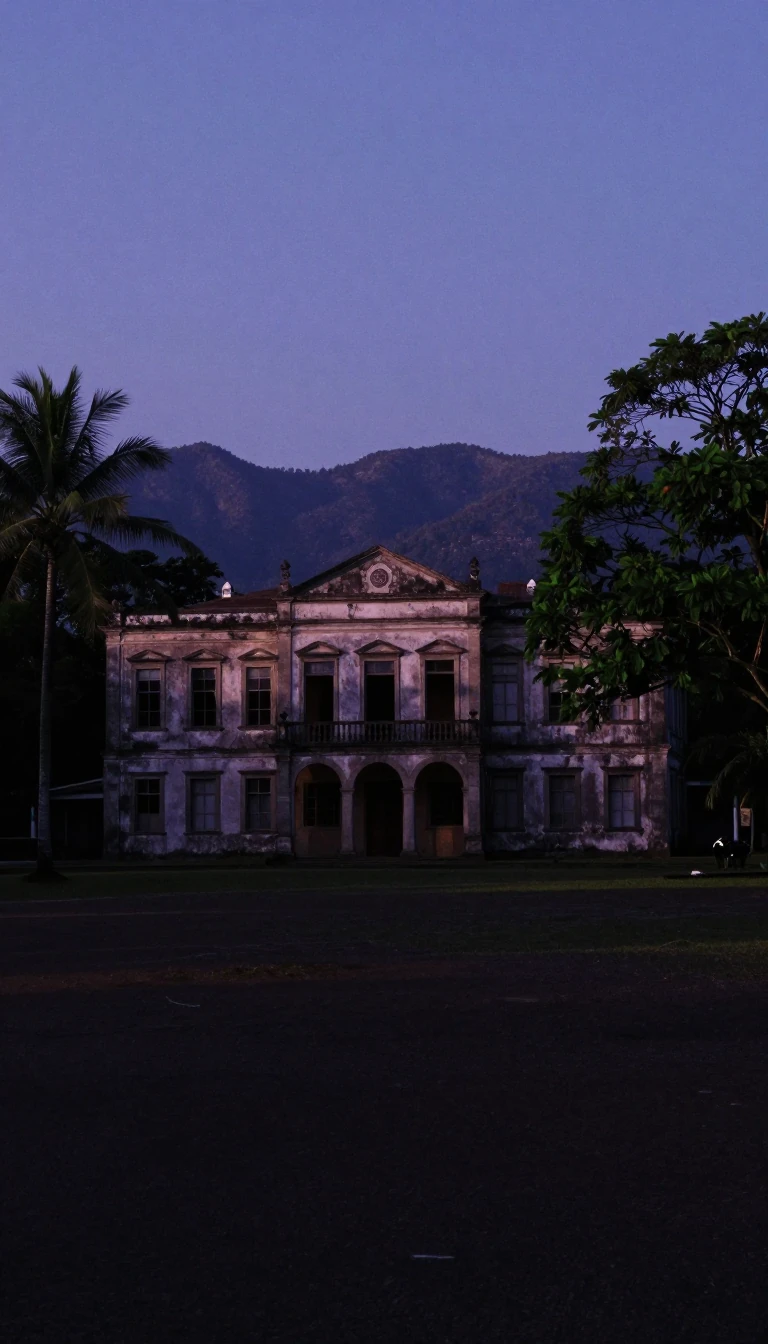
In short: For decades, Coiba was a feared penal colony where political prisoners vanished into the shadows. Today, that dark history has ironically preserved one of Central America's most pristine ecosystems. Isolated for millennia, the island now serves as a vital refuge for species that have long disappeared from the mainland.
Separated from the Panamanian mainland between 12,000 and 18,000 years ago by rising sea levels, Coiba became a natural laboratory for evolution. Over these millennia, its flora and fauna diverged from their continental counterparts, resulting in unique endemic subspecies like the Coiba Island howler monkey and the Coiba spinetail. Today, the island remains roughly 75% forested, harboring ancient trees and rare plant life that have been lost elsewhere due to widespread deforestation and overharvesting.
The island's modern history took a grim turn in 1919 when a penal colony was established. During the dictatorships of Omar Torrijos and Manuel Noriega, the facility gained a terrifying reputation for brutal conditions, torture, and political executions. While the exact death toll remains unknown, estimates suggest that nearly 300 people were killed within its walls. Because locals avoided the island, it remained largely untouched by development, inadvertently protecting its biodiversity until the prison finally closed in 2004.
Following the prison's closure, the area gained formal protection. Panama established Coiba National Park in 1992, and in July 2005, UNESCO designated it a World Heritage Site. The park now encompasses over 1,042 square miles, including 38 smaller islands and rich marine environments in the Gulf of Chiriquí. This region acts as a buffer against El Niño temperature swings, supporting a massive array of life, including 760 species of marine fish, 33 types of sharks, and 20 species of cetaceans. It remains one of the few places in Central America where the scarlet macaw thrives in the wild, standing as a testament to how a place of human suffering became a sanctuary for the natural world.
Opens the Intellect+ feed with this card first. Swipe up for the next one.
Sources
- Summary by Intellect · source: Coiba
- Also: Wikidata — Coiba · CC0
- Also: Wikidata — Coiba · CC0
To cite this card, link to https://intellectplus.co.uk/app/places-coiba.
How we source, check and correct cards: Editorial standards.
General information, not professional advice. Spotted an error? Flag the card or see corrections and complaints.
Intellect Plus is a visual educational discovery platform for exploring fascinating facts and ideas. Brain Food, Not Brain Rot. What is Intellect Plus?
Related
More in World Heritage Sites · More in Countries & Cities · Latest · A–Z · All topics
