On April 10, 1996, a cyclone produced the strongest non-tornadic winds ever recorded on Earth.
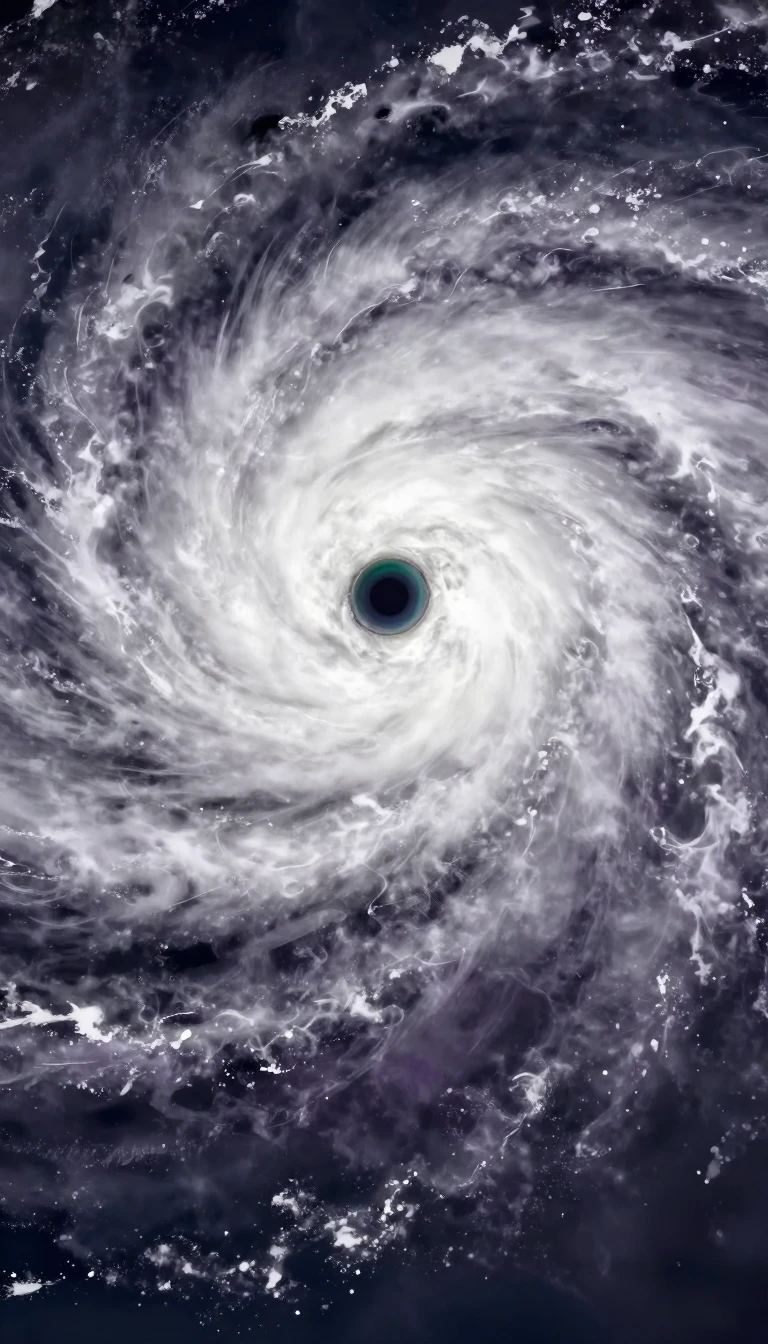
In short: During the passage of Cyclone Olivia over Barrow Island, Western Australia, an anemometer captured a three-second wind gust of 408 kilometers per hour. This staggering measurement, which surpassed the long-standing record held by Mount Washington, was initially met with skepticism but was eventually verified as the highest non-tornadic wind speed ever documented.
Cyclone Olivia originated in early April 1996 as a low-pressure system north of Darwin, Indonesia. As it tracked southwest, it intensified into a severe tropical cyclone. By the time it reached the Pilbara coast on April 10, it had developed a 65-kilometer-wide eye and attained peak intensity. The storm's path brought it directly over Barrow Island, where a privately operated anemometer recorded the historic 408 km/h gust at 10:55 UTC. This reading occurred on the western edge of the eyewall, likely influenced by mesovortices, and was supported by nearby observations of 369 and 374 km/h gusts within a five-minute window.
The verification process for this record was unusually lengthy. Because the anemometer was privately owned rather than managed by the Bureau of Meteorology, the agency did not immediately launch a formal investigation. It was not until 2009, when the World Meteorological Organization Commission for Climatology began investigating a potential record gust from Hurricane Gustav, that Olivia's data was formally reviewed. Experts confirmed the instrument was properly calibrated and functioning correctly during the storm. In 2010, the World Meteorological Organization officially recognized the 408 km/h gust as the world record, eclipsing the 372 km/h gust recorded on Mount Washington in 1934.
Beyond the record-breaking wind, Olivia caused significant disruption across Western Australia. The storm forced the closure of oil platforms and mining operations, resulting in substantial production losses. In the town of Pannawonica, every house sustained damage, and 55 of the 82 homes lost their roofs. Offshore, the cyclone's high winds and massive swells—reaching up to 21 meters—toppled an oil drilling structure. The storm's remnants even impacted South Australia, where rough seas and sediment stirred up by the winds killed 60,000 farmed tuna, causing an estimated A$60 million in losses. The name Olivia was subsequently retired from the Australian region's cyclone list.
Opens the Intellect+ feed with this card first. Swipe up for the next one.
Sources
- Summary by Intellect · source: Cyclone Olivia
To cite this card, link to https://intellectplus.co.uk/app/nature-cyclone-olivia.
How we source, check and correct cards: Editorial standards.
General information, not professional advice. Spotted an error? Flag the card or see corrections and complaints.
Intellect Plus is a visual educational discovery platform for exploring fascinating facts and ideas. Brain Food, Not Brain Rot. What is Intellect Plus?
Related
More in Air · More in Nature · Latest · A–Z · All topics
