Why do some of the world's most iconic landscapes struggle to grow trees?
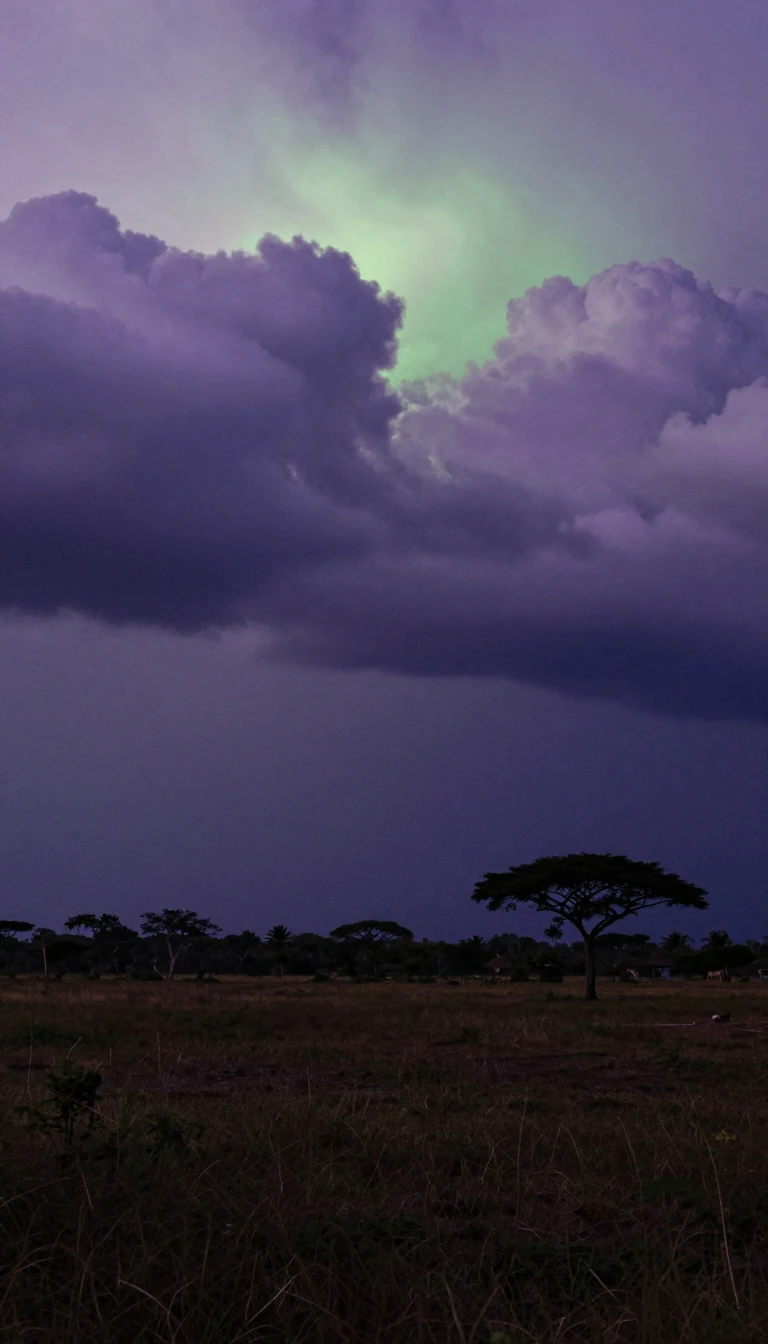
In short: Tropical grasslands, savannas, and shrublands cover vast regions across nearly every continent, yet they remain defined by a delicate balance of water and light. While these areas teem with life, they lack the consistent rainfall required for dense forests, creating a unique, highly seasonal environment that dictates survival for everything within.
Defined by the World Wide Fund for Nature, this biome thrives in subtropical and tropical latitudes, typically between 5 and 20 degrees north or south of the Equator. These regions are characterized by semi-arid to semi-humid climates, receiving between 90 and 150 centimetres of annual rainfall. This precipitation is often erratic and highly seasonal; in some areas, the entire year's supply of water may fall within just a few weeks, leaving the landscape to endure long, dry stretches.
The structural diversity of these habitats is striking. Grasslands are primarily composed of herbaceous plants, while savannas feature scattered trees, and shrublands are dominated by woody growth. In African savannas, flora has evolved ingenious survival strategies. Acacia trees shed their leaves during the dry season to minimize moisture loss, while the iconic baobab tree stores water directly within its massive trunk. This adaptation is crucial, as the Sudan-type climate—common in these regions—alternates between a hot, rainy season and a cool, dry season where drought is a constant threat.
These habitats are perhaps best known for their extraordinary large mammal populations. African savannas, particularly the East African Acacia and Zambezian regions, host the most intact assemblages of wildlife. Massive migrations of herbivores like wildebeest and zebra are a hallmark of these ecosystems, though these spectacles are increasingly threatened by hunting and habitat alteration. While once widespread, the abundance of regions like the Guinean and Sahelian savannas has been significantly diminished. Today, significant migrations are largely restricted to East Africa and the Sudd region, where the Ugandan Kob still traverses the landscape, underscoring the fragility of these vast, sun-drenched plains.
Opens the Intellect+ feed with this card first. Swipe up for the next one.
Sources
- Summary by Intellect · source: Tropical and subtropical grasslands, savannas, and shrublands
To cite this card, link to https://intellectplus.co.uk/app/nature-tropical-and-subtropical-grasslands-savannas-and-shrublands.
How we source, check and correct cards: Editorial standards.
General information, not professional advice. Spotted an error? Flag the card or see corrections and complaints.
Intellect Plus is a visual educational discovery platform for exploring fascinating facts and ideas. Brain Food, Not Brain Rot. What is Intellect Plus?
Related
More in Earth science basics · More in Nature · Latest · A–Z · All topics
