Drylands cover nearly half the planet, yet they remain largely ignored by global conservation.
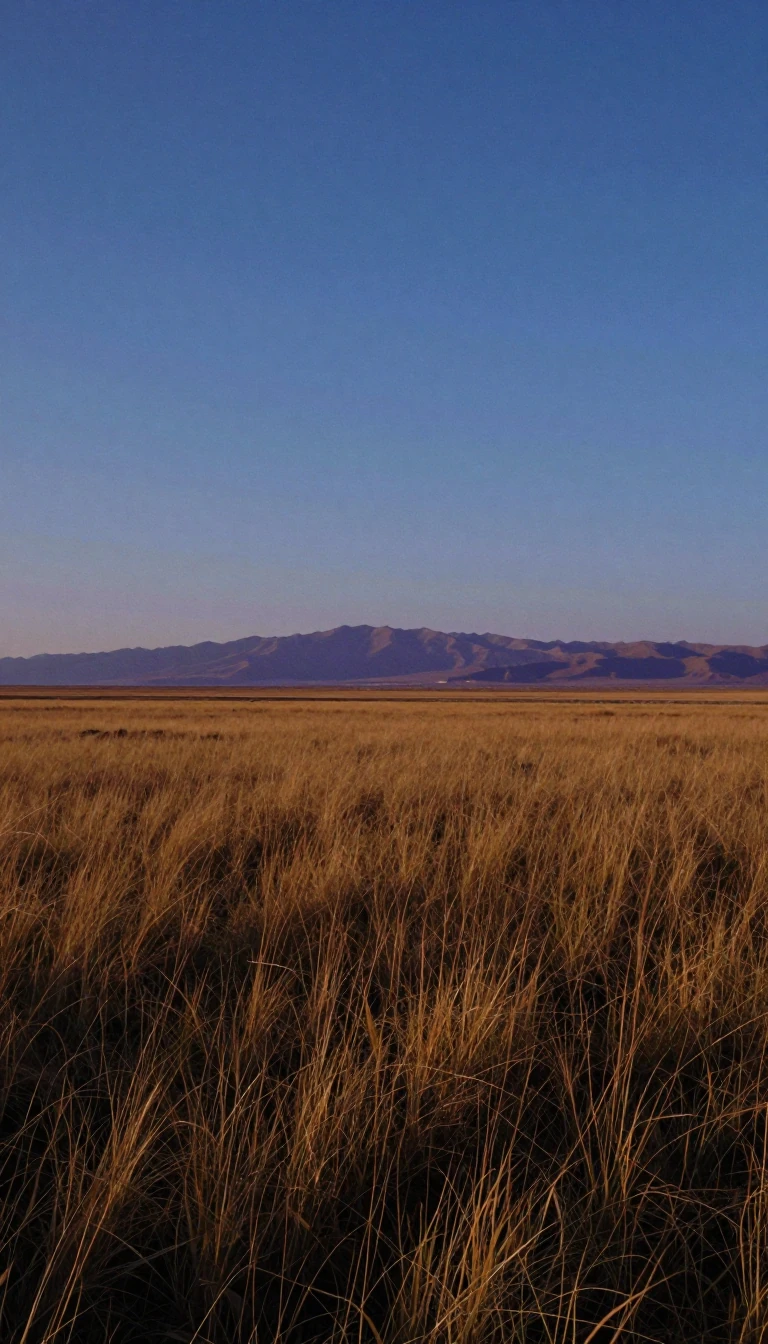
In short: Spanning roughly 42% of Earth's terrestrial surface, drylands sustain a third of the human population and harbor unique, endemic biodiversity. Despite their ecological importance, these regions are frequently overlooked by major conservation initiatives, leaving them vulnerable to intensifying human pressures and the accelerating impacts of a changing global climate.
Drylands are defined by an aridity index—the mathematical relationship between annual rainfall and potential water loss through evaporation and plant transpiration—falling below 0.65. These regions are categorized into four distinct subtypes: hyperarid, arid, semiarid, and dry subhumid. While they encompass iconic deserts and xeric shrublands, they also include vast grasslands, savannas, and even temperate forests. Africa and Asia contain the largest share, holding 64% of the world’s drylands.
The conservation gap in these regions is stark. While global targets aim for 30% protection of ecologically representative areas by 2030, only about 12% of drylands are currently protected, compared to 21% of non-dryland regions. Protection is often unevenly distributed; for instance, dry subhumid zones receive 14.4% protection, whereas hyperarid areas—often protected simply because they are too inhospitable for human development—receive only 6.7%. Crucially, some of the most biodiverse dryland ecosystems, such as grasslands and savannas, remain among the least protected.
These ecosystems face a compounding crisis. Human activities like overgrazing, intensive agriculture, and the introduction of invasive species are degrading the land, leading to significant vegetation loss and declining groundwater levels. Climate change further threatens these areas with extreme heat and unpredictable rainfall, pushing species toward their physiological limits. Paradoxically, some well-intentioned greening initiatives, such as large-scale afforestation, may inadvertently harm these fragile environments by altering vital resources and habitats. As these pressures intensify, the need for a systematic, science-based approach to dryland management becomes an urgent global priority.
Opens the Intellect+ feed with this card first. Swipe up for the next one.
Sources
- Summary by Intellect · source: Global evaluation of current and future threats to drylands and their vertebrate biodiversity - Nature Ecology & Evolution
- Also: Drylands
To cite this card, link to https://intellectplus.co.uk/app/nature-drylands.
How we source, check and correct cards: Editorial standards.
General information, not professional advice. Spotted an error? Flag the card or see corrections and complaints.
Intellect Plus is a visual educational discovery platform for exploring fascinating facts and ideas. Brain Food, Not Brain Rot. What is Intellect Plus?
Related
More in Earth science basics · More in Nature · Latest · A–Z · All topics
