The Terrible Crabs of the Cambrian: Meet the Ocean's First Apex Predators
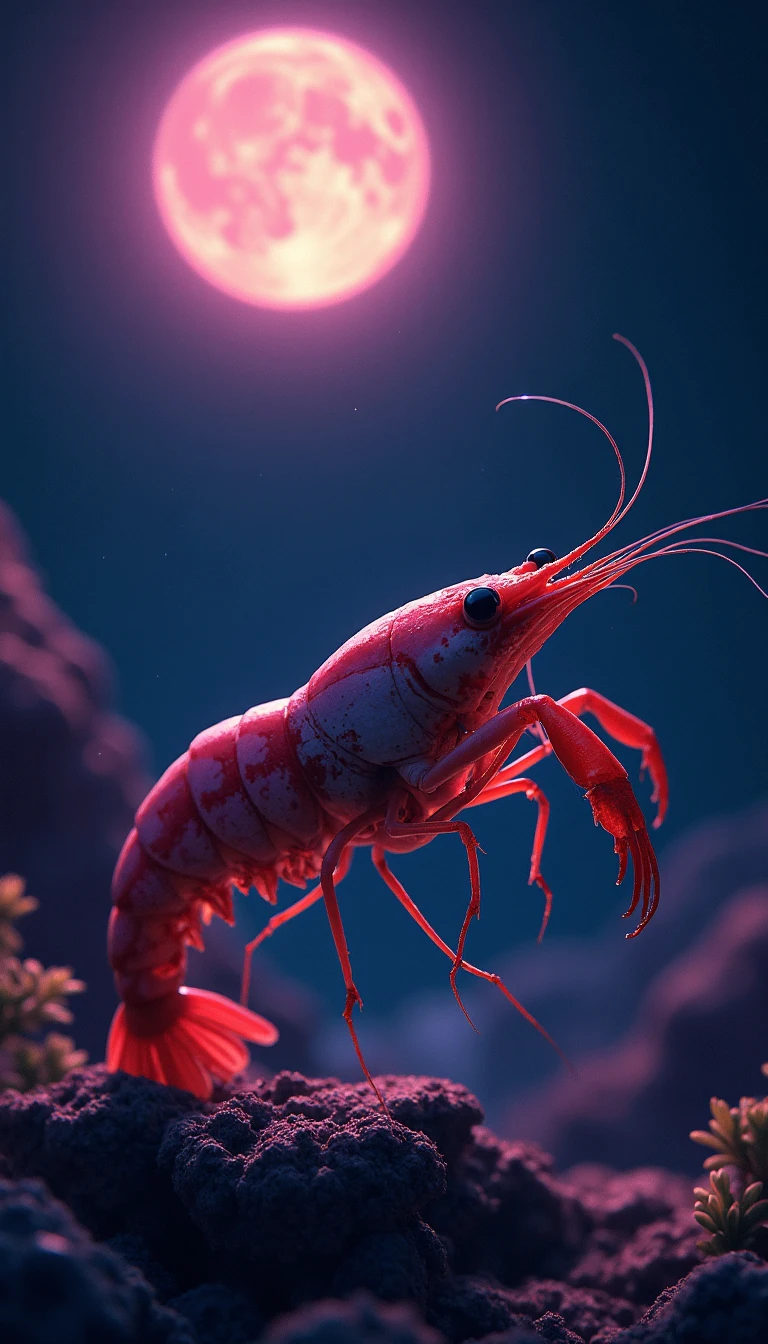
In short: Before modern arthropods dominated, the Dinocaridida ruled the seas. These bizarre, soft-bodied creatures, whose name translates to terrible crabs, featured specialized frontal appendages and rhythmic swimming flaps. They represent a critical evolutionary bridge, offering a glimpse into the origins of the complex body plans we see in arthropods today.
The Dinocaridida, or AOPK group, comprises a diverse assembly of fossil taxa including Radiodonta, Opabiniidae, and gilled lobopodians like Pambdelurion and Kerygmachela. Flourishing during the Cambrian period and persisting until the Early Devonian, these animals were geographically widespread, with fossils discovered across Canada, China, Australia, and even Germany. Their morphology was defined by bilateral symmetry, a non-mineralized cuticle, and a body divided into a head and trunk.
Central to their anatomy were the frontal appendages, which sat just before the mouth and eyes. These structures varied from soft, lobopodous forms in gilled lobopodians to the hardened, segmented appendages seen in Radiodonta. In the Opabiniidae, these appendages were fused into a nozzle-like structure. Scientists debate their evolutionary origin, with theories suggesting they are homologous to either the labrum of euarthropods or the primary antennae of onychophorans, potentially originating from the protocerebrum or deutocerebrum.
The trunk of a dinocaridid was segmented, with each section bearing gill branches and swimming flaps. These flaps likely propelled the animal through the water using an up-and-down motion, reminiscent of modern cuttlefish. Internally, they possessed a relatively simple brain consisting of one or two cerebral ganglions, and a midgut equipped with paired digestive glands. While some researchers suggest alternative affinities, most phylogenetic studies classify them as stem group arthropods, indicating a lobopodian origin for the entire arthropod lineage.
Taxonomic understanding of the group has evolved significantly since its initial description. Originally limited to Opabiniidae and Radiodonta, the group now includes a broader range of taxa, with many radiodonts reassigned to families such as Amplectobeluidae, Tamisiocarididae, and Hurdiidae. Because the group is likely paraphyletic, it serves as a vital evolutionary grade, with more basal forms like Pambdelurion giving way to more derived, arthropod-like members that bridge the gap to the arthropod crown group.
Opens the Intellect+ feed with this card first. Swipe up for the next one.
Sources
- Summary by Intellect · source: Dinocaridida
To cite this card, link to https://intellectplus.co.uk/app/nature-dinocaridida.
How we source, check and correct cards: Editorial standards.
General information, not professional advice. Spotted an error? Flag the card or see corrections and complaints.
Intellect Plus is a visual educational discovery platform for exploring fascinating facts and ideas. Brain Food, Not Brain Rot. What is Intellect Plus?
Related
More in Arthropods · More in Nature · Latest · A–Z · All topics
