This ancient marine arthropod walked the Cambrian seafloor with a protective bivalved shield
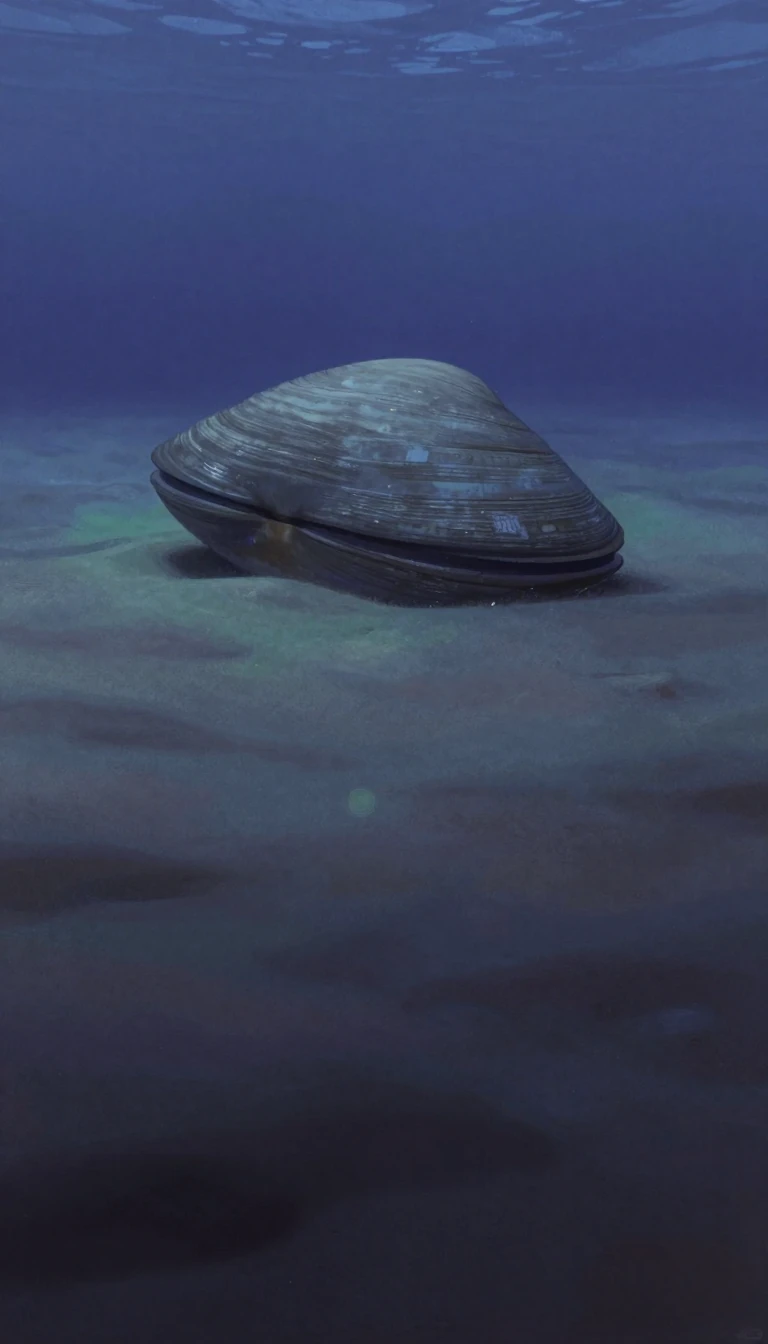
In short: Long before modern crustaceans evolved, Canadaspis roamed the ocean floor as a specialized benthic feeder. This bivalved arthropod used a complex array of limbs to stir up nutrient-rich sediment, while its stalked eyes and sensory antennae navigated the murky depths of the Cambrian period, millions of years ago.
Canadaspis, a name meaning Shield of Canada, represents an extinct genus of marine arthropods that inhabited environments across North America and China. While early researchers once classified these creatures as crustaceans, that interpretation is now largely discarded. Modern scientific consensus places the genus within the Hymenocarina, a group of bivalved arthropods now viewed as mandibulates. Some experts even suggest that the species Canadaspis laevigata, found in the Chengjiang biota of China, is distinct enough to warrant its own separate genus.
The anatomy of Canadaspis perfecta reveals a highly adapted bottom-dweller. Its body was protected by a bivalved carapace, beneath which sat a thorax with eight pairs of biramous legs. These limbs were likely used for walking and creating currents to assist with respiration and feeding. Derek Briggs proposed that the terminal claws on these appendages allowed the animal to scrape or stir the seafloor, capturing microbes and organic particles with leg spines that funneled food toward its grinding mandibles. Sensory functions were handled by two types of antennae, while a forward-pointing spine likely shielded its eyes from predators.
The fossil record provides significant insight into their lives. In the Burgess Shale of British Columbia, thousands of specimens have been recovered, indicating they made up nearly nine percent of the local community. Evidence suggests these animals engaged in synchronized group moulting, a behavior that hints at complex social or environmental coordination. While they were primarily walkers, the metachronal movement of their limbs may have generated enough force to help them escape soft sediment. These creatures offer a window into the early diversification of arthropods, existing roughly 10 million years before their counterparts in the Burgess Shale.
The taxonomic history of the genus reflects evolving scientific understanding. The species Canadaspis perfecta was initially introduced to the scientific record by Charles Doolittle Walcott in 1912 under a different name. It was not until 1960 that Novozhilov established the genus Canadaspis. Today, these fossils remain essential for understanding the phylogeny of stem-group euarthropods and the ecological roles played by early marine life.
Opens the Intellect+ feed with this card first. Swipe up for the next one.
Sources
- Summary by Intellect · source: Canadaspis
To cite this card, link to https://intellectplus.co.uk/app/nature-canadaspis.
How we source, check and correct cards: Editorial standards.
General information, not professional advice. Spotted an error? Flag the card or see corrections and complaints.
Intellect Plus is a visual educational discovery platform for exploring fascinating facts and ideas. Brain Food, Not Brain Rot. What is Intellect Plus?
Related
More in Arthropods · More in Nature · Latest · A–Z · All topics
