The Culex mosquito is a global powerhouse of disease transmission and biological adaptation
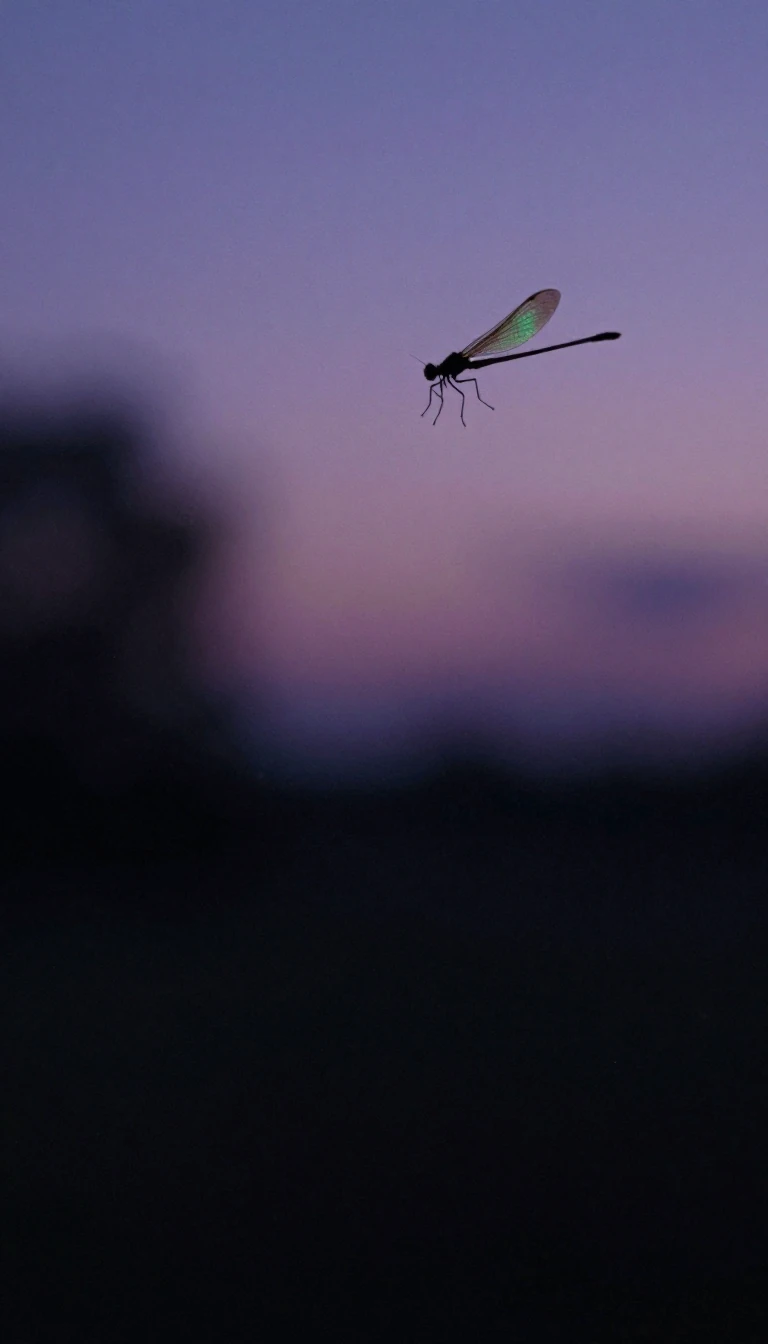
In short: With roughly 770 species found on every continent except Antarctica, the Culex genus is the world's most widespread mosquito. These insects are more than just biting nuisances; they are sophisticated vectors capable of carrying deadly pathogens, including West Nile virus and various forms of encephalitis, across diverse global ecosystems.
The life cycle of the Culex mosquito is a marvel of aquatic adaptation. Females typically deposit buoyant rafts of 100 to 300 eggs onto the surface of stagnant or fresh water, ranging from natural ponds to artificial containers like discarded tires and buckets. Once hatched, the larvae—often called wigglers—breathe through specialized siphons at the water's surface while feeding on microorganisms. This aquatic stage is remarkably fast, with the transition from egg to adult often occurring in as little as seven to ten days, depending on environmental conditions.
Adult Culex mosquitoes are primarily active from dusk to dawn, utilizing a piercing proboscis to feed. While both sexes consume nectar and plant juices for energy, females require a blood meal to provide the proteins necessary for egg maturation. This biological requirement makes them potent disease vectors. When a female feeds on an infected host—often birds like sparrows or pigeons—she can contract viruses such as West Nile or St. Louis encephalitis, which are subsequently transmitted to humans or other animals during future blood meals. This mechanism has had devastating historical impacts, including an 1820s avian malaria outbreak in Hawaii that decimated native bird populations.
Distinguishing Culex from other mosquitoes requires close inspection of their physical traits. Unlike anopheline mosquitoes, which often rest with their bodies at an angle, Culex adults typically hold their bodies parallel to the surface. Their identification is further confirmed by the presence of pulvilli—soft adhesive pads between the hooks at the tip of each leg—and the absence of specific bristles near their thoracic spiracles. Because they rarely travel more than 500 meters from their breeding sites, local mosquito control efforts, such as the use of larvicides in standing water, remain the most effective strategy for mitigating the risk of viral outbreaks in human communities.
Opens the Intellect+ feed with this card first. Swipe up for the next one.
Sources
- Summary by Intellect · source: Culex | Mosquito, Description, Life Cycle, Diseases, & Facts | Britannica
- Also: About Culex Mosquitoes
- Also: Culex
To cite this card, link to https://intellectplus.co.uk/app/nature-culex.
How we source, check and correct cards: Editorial standards.
General information, not professional advice. Spotted an error? Flag the card or see corrections and complaints.
Intellect Plus is a visual educational discovery platform for exploring fascinating facts and ideas. Brain Food, Not Brain Rot. What is Intellect Plus?
Related
More in Arthropods · More in Nature · Latest · A–Z · All topics
