Didelphodon was the Late Cretaceous predator that crushed bones with its massive teeth
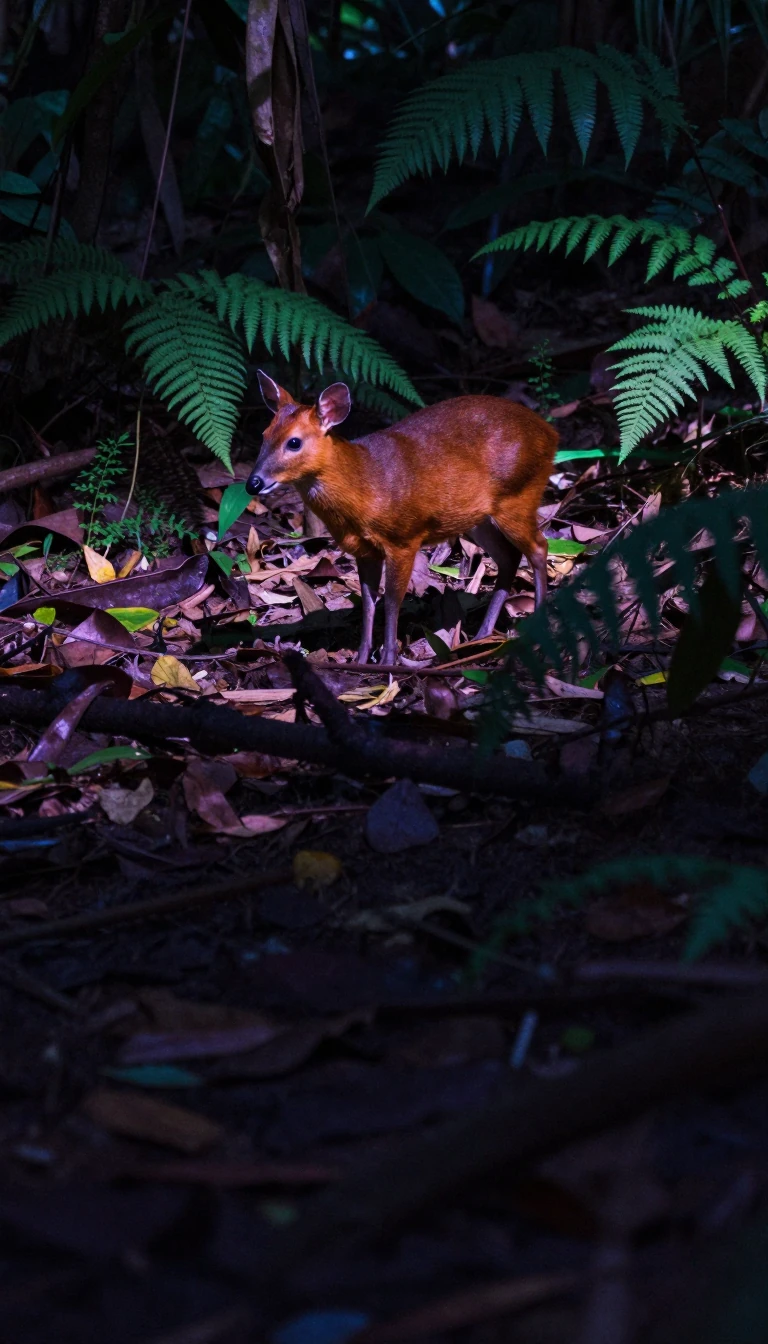
In short: Long before marsupials dominated the Australian outback, their ancestors were North American heavyweights. Didelphodon vorax, the largest Mesozoic therian mammal, used specialized teeth to crush bone and shell, acting as a formidable predator or scavenger in a world dominated by dinosaurs. New fossil evidence finally reveals its true evolutionary story.
For decades, the evolutionary history of marsupials was obscured by a lack of complete fossil evidence. Most North American Late Cretaceous metatherians—the group containing marsupials and their relatives—were known only from fragmentary jaws and teeth. This scarcity led researchers to assume that these northern species were evolutionary dead ends, with marsupials originating later in South America. However, the discovery of a near-complete skull of Didelphodon vorax from the Hell Creek Formation in Montana and North Dakota has fundamentally shifted this perspective.
Dated to the upper Maastrichtian, between 69 and 66 million years ago, these specimens provide the most comprehensive look at a Cretaceous metatherian to date. Analysis of the skull reveals a broad, triangular shape with a short rostrum and robust zygomata. These features, combined with high bite force estimates and specialized bulbous premolars, indicate that Didelphodon was the earliest known therian to adopt a durophagous lifestyle—meaning it was capable of crushing hard materials like bone and shell. It was not merely a small, insect-eating creature; it was a specialized predator and scavenger.
This new anatomical data confirms that marsupials and their closest relatives actually evolved in North America as part of a broader diversification before dispersing to South America. By including these complete skulls in phylogenetic analyses, researchers have shown that the ecomorphological variety of Mesozoic mammals was far greater than previously understood. Didelphodon stands as a testament to the success of these early metatherians, which occupied significant ecological niches long before the Cretaceous–Palaeogene mass extinction event 66 million years ago.
While some researchers have speculated that Didelphodon was semiaquatic based on postcranial elements, this remains a subject of ongoing debate. Regardless of its locomotion, the taxon remains a captivating example of how early mammals adapted to their environments. By filling the gaps in the fossil record, these findings clarify that the origins of modern marsupials are deeply rooted in the complex, predator-rich landscapes of the North American Late Cretaceous.
Opens the Intellect+ feed with this card first. Swipe up for the next one.
Sources
- Summary by Intellect · source: A large carnivorous mammal from the Late Cretaceous and the North American origin of marsupials - Nature Communications
- Also: Didelphodon
To cite this card, link to https://intellectplus.co.uk/app/nature-didelphodon.
How we source, check and correct cards: Editorial standards.
General information, not professional advice. Spotted an error? Flag the card or see corrections and complaints.
Intellect Plus is a visual educational discovery platform for exploring fascinating facts and ideas. Brain Food, Not Brain Rot. What is Intellect Plus?
Related
More in Vertebrates · More in Nature · Latest · A–Z · All topics
