The pavement lizard with a sail: why this ancient herbivore was truly unique
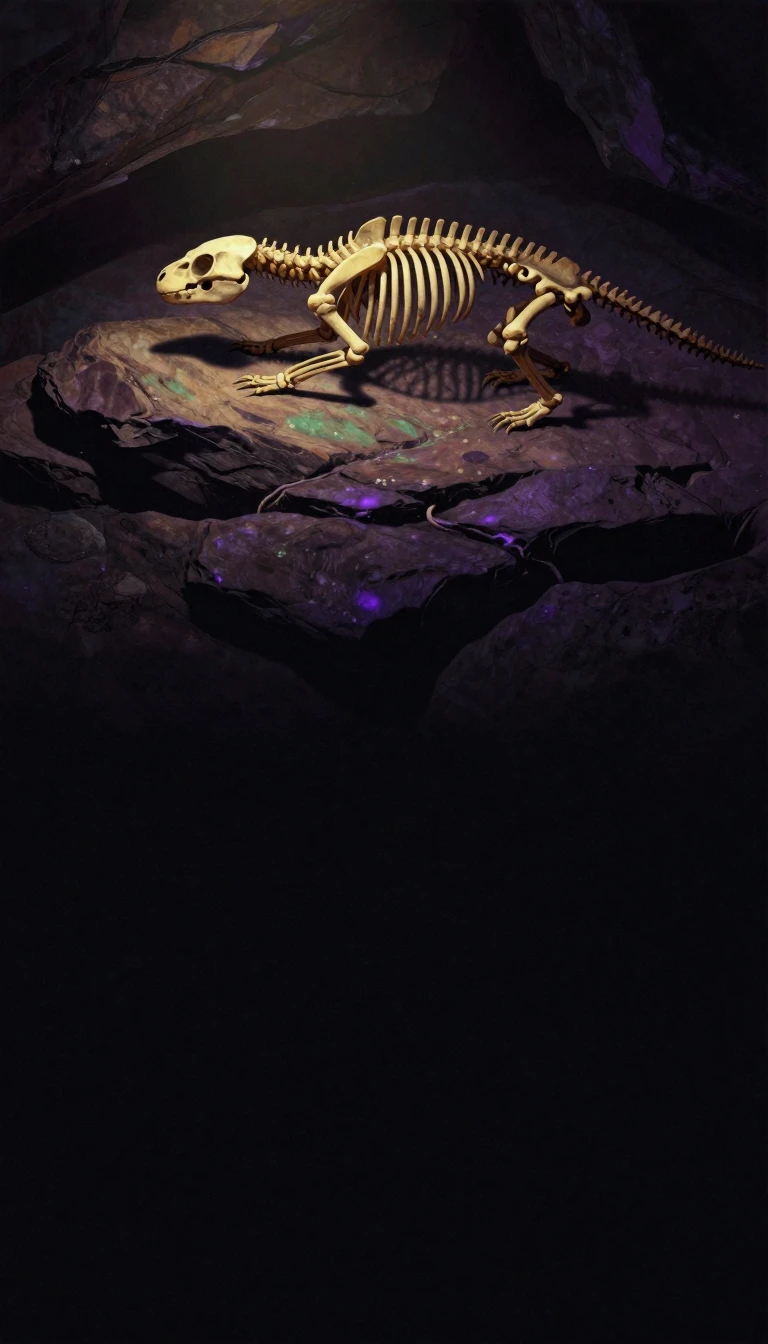
In short: Long before dinosaurs, a strange, sail-backed creature roamed the Earth. Known as the pavement lizard, this early relative of mammals possessed a specialized dental battery for grinding tough plants. While it shared its iconic dorsal fin with the predator Dimetrodon, its unique anatomy tells a fascinating evolutionary story.
Edaphosaurus, a genus of primitive, herbivorous synapsids, lived between 318 and 271 million years ago, spanning the Late Carboniferous to the Early Permian periods. Reaching lengths of over 3.5 metres, these animals are significant for being among the earliest large, plant-eating amniote tetrapods. Their fossils have been recovered from diverse locations, including North America and Europe, providing geologists with vital clues about ancient environments and the progression of life through sedimentary rock strata.
The most striking feature of Edaphosaurus is the large sail on its back, supported by extensions of the vertebral column. Unlike the famous predator Dimetrodon, which also sported a dorsal sail, the structure in Edaphosaurus was distinct in shape and morphology, notably featuring cross-bars on its spines. This sail, combined with a remarkably small, triangular head and a robust, deep-bodied frame, suggests a specialized lifestyle. Its jaw structure, featuring dense batteries of peglike teeth, allowed it to process fibrous vegetation, likely relying on symbiotic bacteria within a capacious gut to break down cellulose.
While early theories suggested these creatures might have crushed mollusks, modern paleontological consensus identifies them as herbivores. The evolution of this diet is highlighted by related taxa like Melanedaphodon, which shows an intermediary stage between insectivory and the specialized plant-processing seen in Edaphosaurus. By studying these fossilized remains, scientists can track morphological changes over time, offering a window into how early vertebrates adapted to terrestrial life and shifting climates long before the rise of the dinosaurs.
Opens the Intellect+ feed with this card first. Swipe up for the next one.
Sources
- Summary by Intellect · source: Edaphosaurus | Permian Period, Dimetrodon, Reptile | Britannica
- Also: Edaphosaurus
To cite this card, link to https://intellectplus.co.uk/app/nature-edaphosaurus.
How we source, check and correct cards: Editorial standards.
General information, not professional advice. Spotted an error? Flag the card or see corrections and complaints.
Intellect Plus is a visual educational discovery platform for exploring fascinating facts and ideas. Brain Food, Not Brain Rot. What is Intellect Plus?
Related
More in Vertebrates · More in Nature · Latest · A–Z · All topics
