The scythe lizard: a giant theropod that traded meat for a plant-based diet
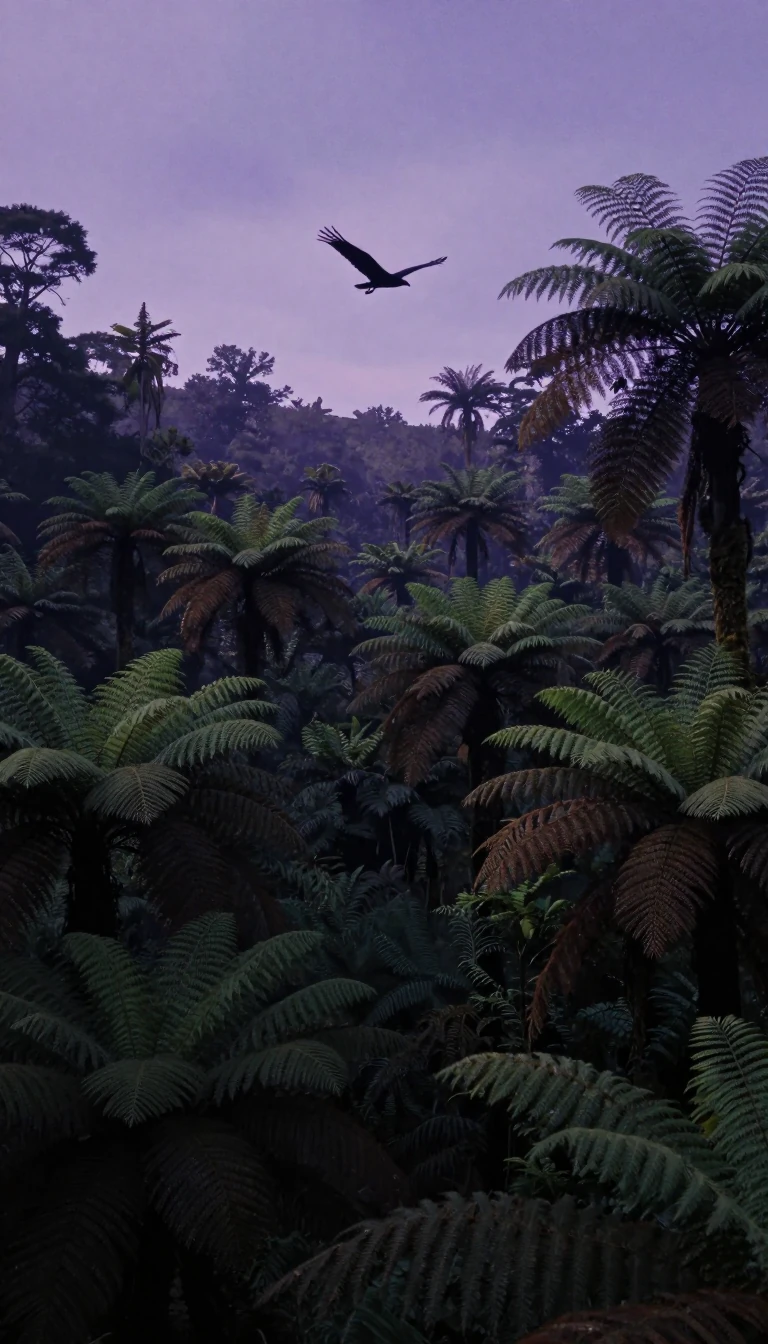
In short: Therizinosaurus possessed the longest hand claws of any land animal in history, reaching 50 centimetres. While its terrifying anatomy once led scientists to mistake it for a giant turtle, this Late Cretaceous herbivore was actually a highly specialized theropod, challenging our understanding of dinosaur evolution and dietary habits.
Discovered in Mongolia’s Nemegt Formation, Therizinosaurus was first described by Evgeny Maleev in 1954. Because the initial fossils were limited to arm, leg, and rib fragments, Maleev famously misidentified the creature as a massive, turtle-like reptile. It took decades of further discovery—including the identification of smaller relatives like Beipiaosaurus and Alxasaurus—to clarify its true lineage. By the mid-1990s, paleontologists confirmed that despite its bizarre appearance, this animal belonged to the theropod group, the same evolutionary branch that produced predators like Velociraptor.
The transition from carnivory to herbivory within the therizinosaur group is a subject of significant study. Primitive species like Falcarius show transitional features, such as herbivorous teeth paired with the legs of a carnivorous ancestor. This shift required major physiological changes, including wider hips and a larger gut capacity to process fibrous vegetation. As a high browser, Therizinosaurus likely used its long neck to reach foliage, while its robust, three-fingered hands were equipped with enormous, stiffened claws. These claws were likely used to pull vegetation toward the mouth, though their fragility suggests they were poorly suited for combat.
While the animal's size—reaching up to 10 metres in length and potentially weighing over 5 tonnes—made it a formidable presence, its temperament remains speculative. Fossil evidence cannot confirm its behavior, though modern large herbivores like elephants demonstrate that plant-eaters can be highly dangerous. The claws may have served as a deterrent, acting as a visual threat display to ward off predators. Today, Therizinosaurus stands as a prime example of convergent evolution, sharing ecological roles with herbivorous mammals like chalicotheres, proving that even within the theropod clade, nature found radical ways to adapt to a changing world.
Opens the Intellect+ feed with this card first. Swipe up for the next one.
Sources
- Summary by Intellect · source: Therizinosaurus | Natural History Museum
- Also: Therizinosaur | Therizinosaurus, Gigantoraptor, Herbivore | Britannica
- Also: Therizinosaurus
- Also: Therizinosaurus cheloniformis
To cite this card, link to https://intellectplus.co.uk/app/nature-therizinosaurus.
How we source, check and correct cards: Editorial standards.
General information, not professional advice. Spotted an error? Flag the card or see corrections and complaints.
Intellect Plus is a visual educational discovery platform for exploring fascinating facts and ideas. Brain Food, Not Brain Rot. What is Intellect Plus?
Related
More in Vertebrates · More in Nature · Latest · A–Z · All topics
