Was this heavily armored dinosaur actually a collection of different species?
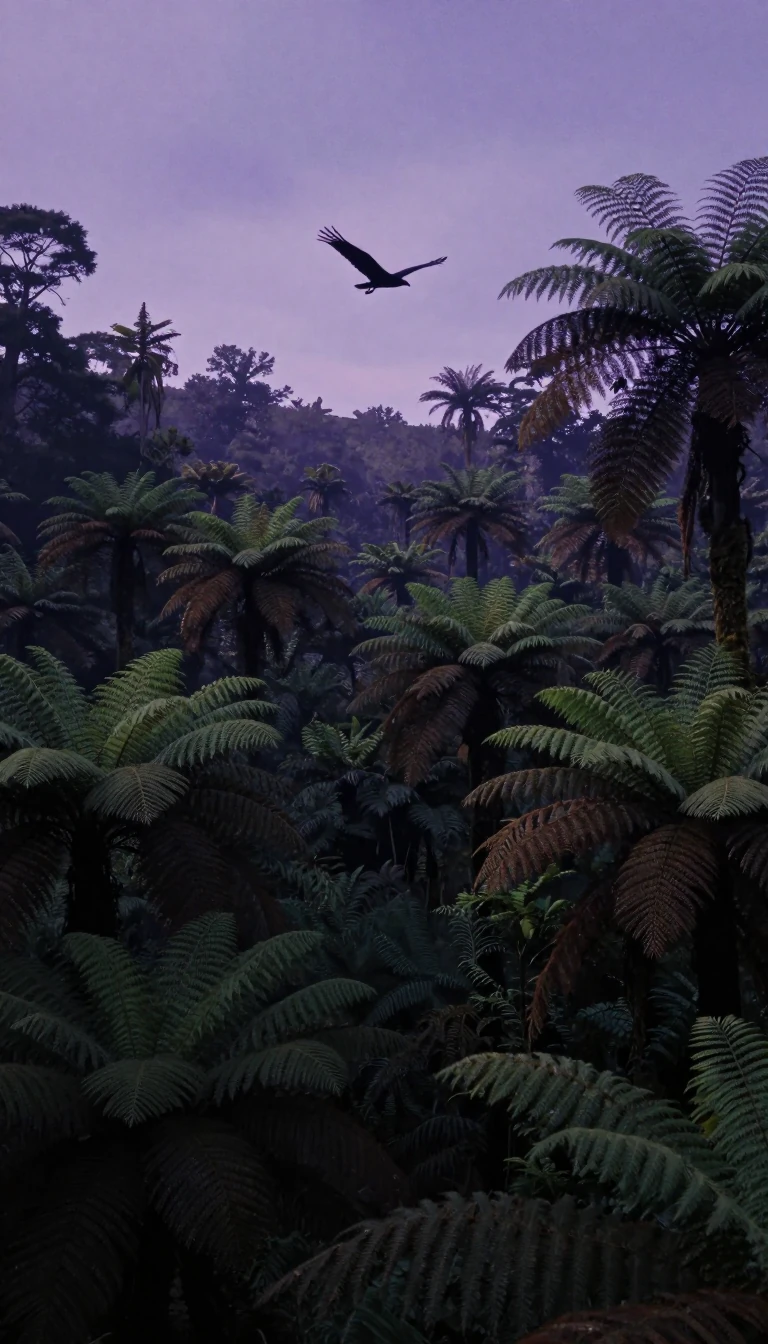
In short: Euoplocephalus was once considered the most common ankylosaurid in North America, with fossils spanning ten million years. Recent research has dismantled this view, revealing that many specimens previously assigned to this genus are actually distinct species. Today, the definition of this iconic, club-tailed herbivore is much more restricted.
First discovered in 1897 in Alberta, Canada, Euoplocephalus was long treated as a catch-all category for ankylosaurid remains found across the Campanian stage of the Late Cretaceous. In 1971, paleontologist Walter Coombs argued that the significant variations in skull anatomy among these fossils were merely individual differences within a single, widespread species. This interpretation persisted for decades, leading to the synonymization of genera like Anodontosaurus, Dyoplosaurus, and Scolosaurus under the Euoplocephalus umbrella. At its peak, this classification suggested the animal roamed North America for nearly ten million years.
Modern re-examinations, spearheaded by researchers like Victoria Arbour, have largely reversed this trend. By identifying unique anatomical traits—such as specific patterns of skull ornamentation, the shape of cervical half-rings, and tail club morphology—scientists have validated several of the previously discarded genera. Consequently, the list of authentic Euoplocephalus specimens has shrunk to about a dozen, all originating from a narrow stratigraphic window in the Dinosaur Park Formation, dating between approximately 76.4 and 75.6 million years ago. This shift highlights how quickly paleontological consensus can evolve as analytical techniques improve.
Despite its taxonomic shrinking, much remains known about the physical build of Euoplocephalus. Reaching about 5.3 meters in length and weighing roughly 2 metric tons, this low-slung herbivore was protected by extensive bony armor, including rows of keeled scutes and two cervical half-rings. Its most famous feature, a heavy tail club, was likely a defensive weapon capable of breaking bone. Internally, complex nasal passages suggest a keen sense of smell and perhaps even vocal resonance. While once thought to be a solitary grazer, the animal's biology reflects a highly specialized adaptation to its environment, distinct from its now-separated relatives.
Opens the Intellect+ feed with this card first. Swipe up for the next one.
Sources
- Summary by Intellect · source: Euoplocephalus
To cite this card, link to https://intellectplus.co.uk/app/nature-euoplocephalus.
How we source, check and correct cards: Editorial standards.
General information, not professional advice. Spotted an error? Flag the card or see corrections and complaints.
Intellect Plus is a visual educational discovery platform for exploring fascinating facts and ideas. Brain Food, Not Brain Rot. What is Intellect Plus?
Related
More in Vertebrates · More in Nature · Latest · A–Z · All topics
