Was this ancient fish really a heroic pioneer crawling onto land to save us?
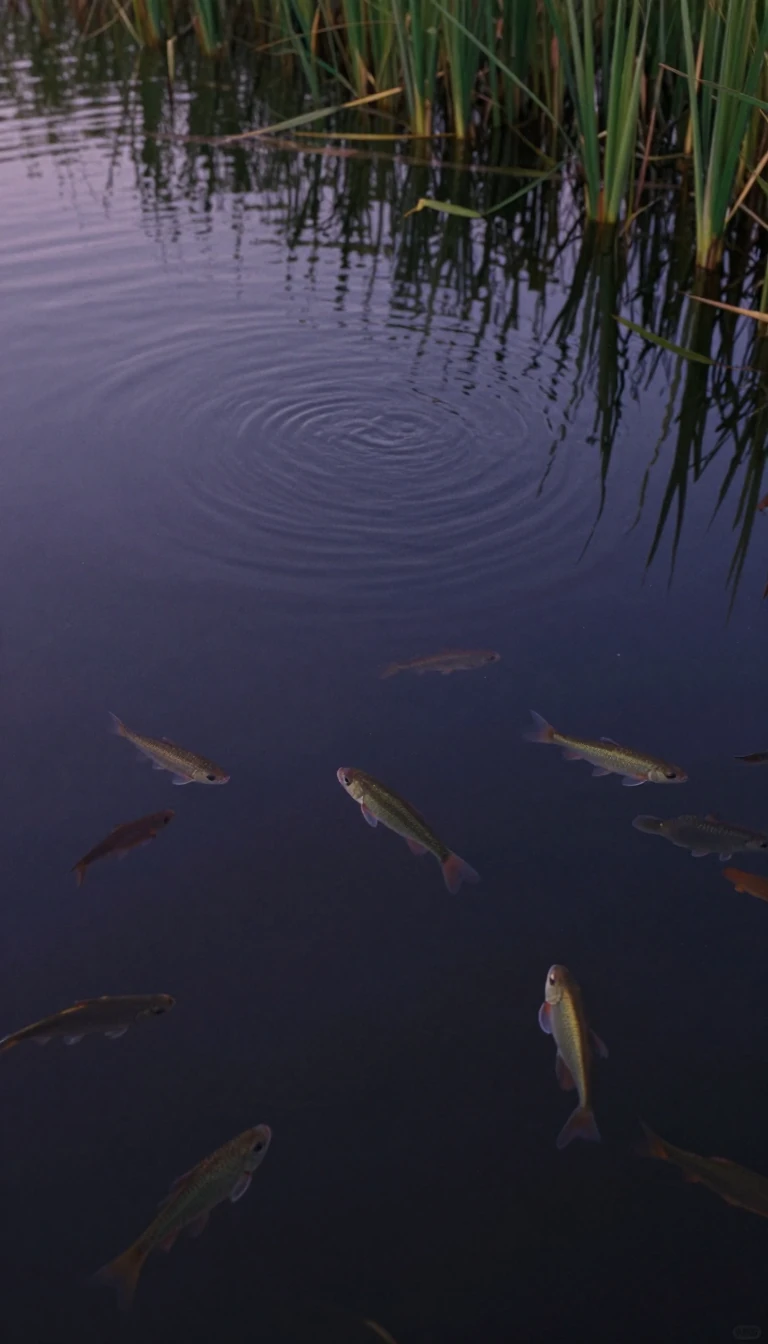
In short: For decades, Eusthenopteron was depicted as a brave fish dragging itself across drying mudflats to escape extinction. This image of a heroic evolutionary underdog helped explain our own origins. But modern science reveals a different story: this creature was a fully aquatic predator, not a land-walking pioneer.
Eusthenopteron, a lobe-finned fish from the late Devonian period about 370 to 385 million years ago, holds a central place in the study of vertebrate evolution. Historically, it was the poster child for the 'Drying Pond Hypothesis,' a theory popularized by paleontologist A.S. Romer in the 1950s and rooted in earlier work by Richard Swan Lull. This hypothesis suggested that as shallow, seasonal waters evaporated, fish were forced to evolve limbs and lungs to survive on land. The reddish color of late Devonian rock was often cited as geological evidence of a harsh, arid climate that necessitated this desperate migration.
Today, this narrative is largely rejected. While Eusthenopteron possessed lungs alongside its gills and featured internal bone structures in its fins—including the humerus, radius, ulna, femur, tibia, and fibula—it was not built for terrestrial life. Its shoulder girdle remained attached to its skull, and its hip girdle was rudimentary and unattached to its vertebral column. Instead of walking on land, it likely used these sturdy fins to navigate through rocks and plants in shallow, fresh or brackish water. It was an active carnivore, reaching lengths of 1.5 to 2.1 meters, and thrived in aquatic environments rather than fleeing them.
The transition to land was not a single, heroic event but a gradual accumulation of traits. Features once thought to be unique to land animals, such as limbs and wrists, actually evolved in the water first. Creatures like Tiktaalik and Acanthostega now provide a more nuanced view of this transition. Eusthenopteron remains a vital link, representing a type of vertebrate that preceded 'fishapods' and the earliest tetrapods. Its legacy is not one of a desperate escape from a drying world, but of a successful, specialized aquatic lineage that laid the anatomical groundwork for the vertebrates that would eventually emerge onto land.
Opens the Intellect+ feed with this card first. Swipe up for the next one.
Sources
- Summary by Intellect · source: The Little Fish That Could
- Also: Eusthenopteron | Devonian, lobe-finned, tetrapod | Britannica
- Also: Eusthenopteron
To cite this card, link to https://intellectplus.co.uk/app/nature-eusthenopteron.
How we source, check and correct cards: Editorial standards.
General information, not professional advice. Spotted an error? Flag the card or see corrections and complaints.
Intellect Plus is a visual educational discovery platform for exploring fascinating facts and ideas. Brain Food, Not Brain Rot. What is Intellect Plus?
Related
More in Vertebrates · More in Nature · Latest · A–Z · All topics
