The earliest vertebrates were jawless, armored filter-feeders that thrived in ancient, mysterious waters.
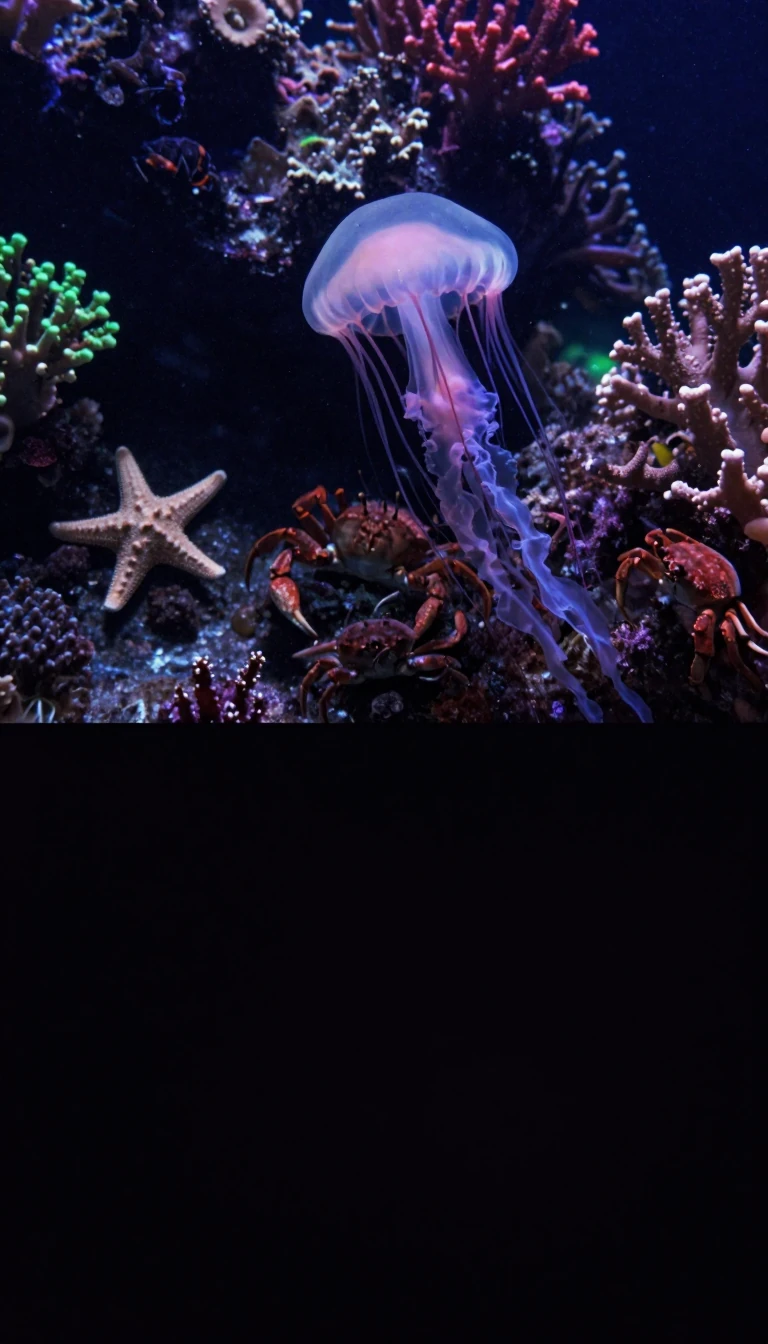
In short: Long before modern fish dominated the oceans, the first vertebrates emerged as small, jawless creatures protected by heavy dermal armor. These early pioneers, known as agnathans, relied on filter-feeding to survive. Their evolutionary journey, marked by the rise of bone and cartilage, set the stage for all vertebrate life on Earth.
The fossil record of early fish remains surprisingly fragmentary, leaving much of their history to speculation. The earliest confirmed vertebrate fossils, belonging to the jawless order Heterostraci, appear in North American deposits from the Upper Ordovician, roughly 450 million years ago. These creatures likely evolved from small, soft-bodied filter-feeders similar to modern Cephalochordata. While some paleontologists debate whether these ancestors originated in fresh water or coastal marine environments, the presence of dermal armor suggests a need for protection against predators like clawed eurypterids.
By the end of the Silurian period, about 416 million years ago, both jawless and jawed vertebrates were well-established. The appearance of jawed acanthodians marked a significant shift in evolutionary strategy. This transition followed a pattern of successive replacement, where newer groups with more efficient feeding, breathing, or swimming mechanisms outcompeted older lineages for resources. The Devonian period, often called the 'Age of Fishes,' saw this diversification accelerate, with placoderms and early bony fishes rising to prominence while many jawless groups faced extinction.
The evolution of bone, cartilage, and enamel-like substances proved to be the most critical development for vertebrate success. These materials provided the structural integrity necessary for fish to adapt to diverse aquatic environments and eventually colonize land. While most armored jawless fish disappeared after the Devonian, the cyclostomes—modern lampreys and hagfishes—survived by evolving specialized feeding structures like rasping tongues and sucking mouths. Today, these living relics offer a rare glimpse into the ancient, complex history of a lineage that fundamentally reshaped life on our planet.
Opens the Intellect+ feed with this card first. Swipe up for the next one.
Sources
- Summary by Intellect · source: Fish - Evolution, Paleontology, Adaptation | Britannica
- Also: Evolution of fish
To cite this card, link to https://intellectplus.co.uk/app/nature-evolution-of-fish.
How we source, check and correct cards: Editorial standards.
General information, not professional advice. Spotted an error? Flag the card or see corrections and complaints.
Intellect Plus is a visual educational discovery platform for exploring fascinating facts and ideas. Brain Food, Not Brain Rot. What is Intellect Plus?
Related
More in Vertebrates · More in Nature · Latest · A–Z · All topics
