The ancient origins of molluscs remain one of biology's most contentious evolutionary puzzles
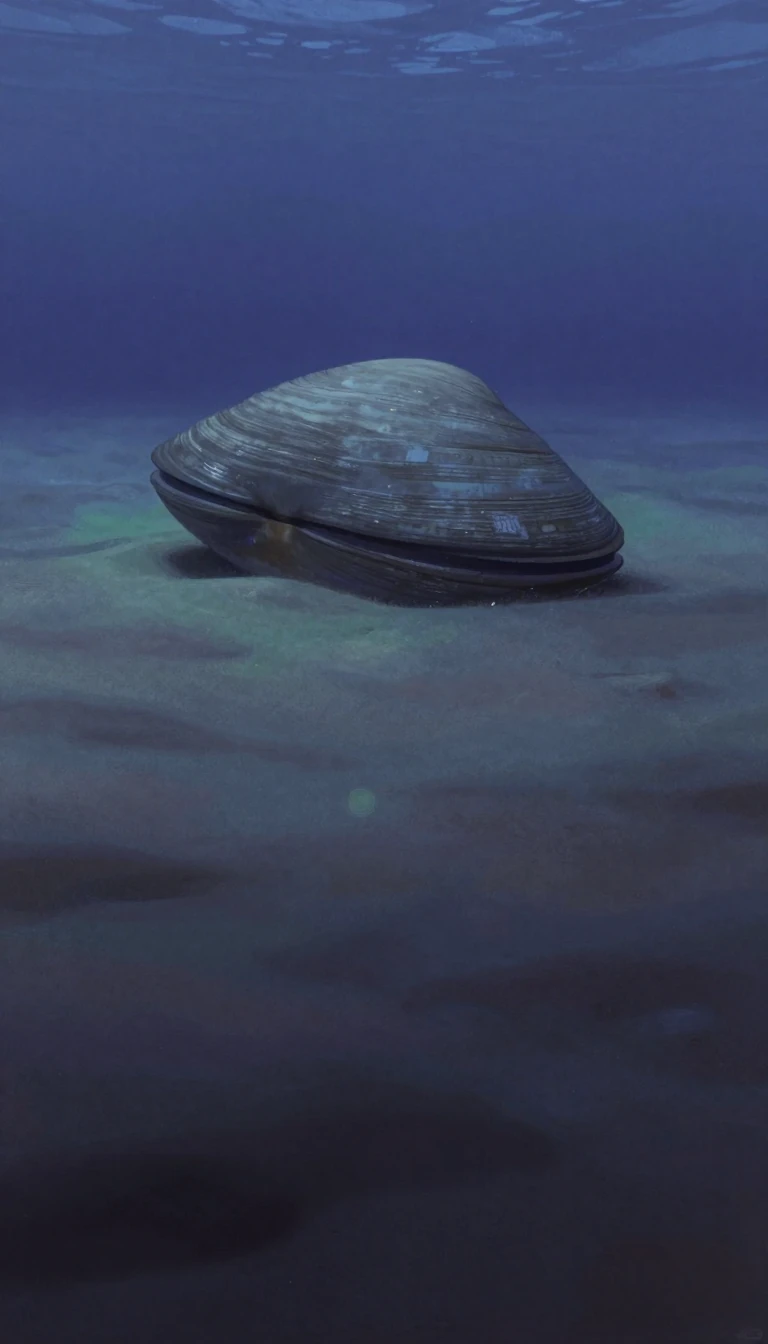
In short: Molluscs are among the most diverse animals on Earth, yet their family tree is a battleground of competing theories. From the Cambrian explosion to modern molecular analysis, scientists continue to debate which ancient fossils belong in the phylum and how these complex creatures first developed their iconic shells.
The fossil record places the emergence of major mollusc groups like gastropods, cephalopods, and bivalves within the Cambrian period, roughly 538.8 to 486.85 million years ago. However, identifying the true ancestors of this phylum is fraught with difficulty. Organisms like the 555-million-year-old Kimberella are often labeled mollusc-like, yet experts remain divided on whether they are genuine molluscs or simply probable bilaterians. Similarly, the classification of the 505-million-year-old Wiwaxia is hotly contested, with arguments centering on whether its feeding structures represent an early radula.
The evolution of the shell itself is a central focus of this debate. Evidence suggests that shells may have originated from a stiffened mucus coating that eventually became mineralized using the engrailed gene, a mechanism shared by many other bilaterian skeletons. Early candidates for shelled molluscs, the Helcionellids, appear in the fossil record over 540 million years ago. While some researchers view these as the earliest gastropods, others argue they lack the characteristic torsion—the twisting of internal organs—seen in modern snails.
The internal relationships of the phylum are equally uncertain. While traditional classifications group molluscs together, recent molecular studies have produced conflicting results. Some analyses suggest the traditional phylum is polyphyletic, implying that groups like bivalves and scaphopods might be distinct lineages unrelated to other molluscs. Other studies, such as a 2010 analysis, have attempted to restore the traditional grouping by identifying data contamination in earlier research. Ultimately, the field remains in flux, as current molecular data are insufficient to definitively constrain the molluscan phylogeny, leaving the true evolutionary history of these creatures an open question.
Opens the Intellect+ feed with this card first. Swipe up for the next one.
Sources
- Summary by Intellect · source: Evolution of molluscs
To cite this card, link to https://intellectplus.co.uk/app/nature-evolution-of-molluscs.
How we source, check and correct cards: Editorial standards.
General information, not professional advice. Spotted an error? Flag the card or see corrections and complaints.
Intellect Plus is a visual educational discovery platform for exploring fascinating facts and ideas. Brain Food, Not Brain Rot. What is Intellect Plus?
Related
More in Mollusks · More in Nature · Latest · A–Z · All topics
