The giant clam is a solar-powered mollusc, not a man-eating sea monster.
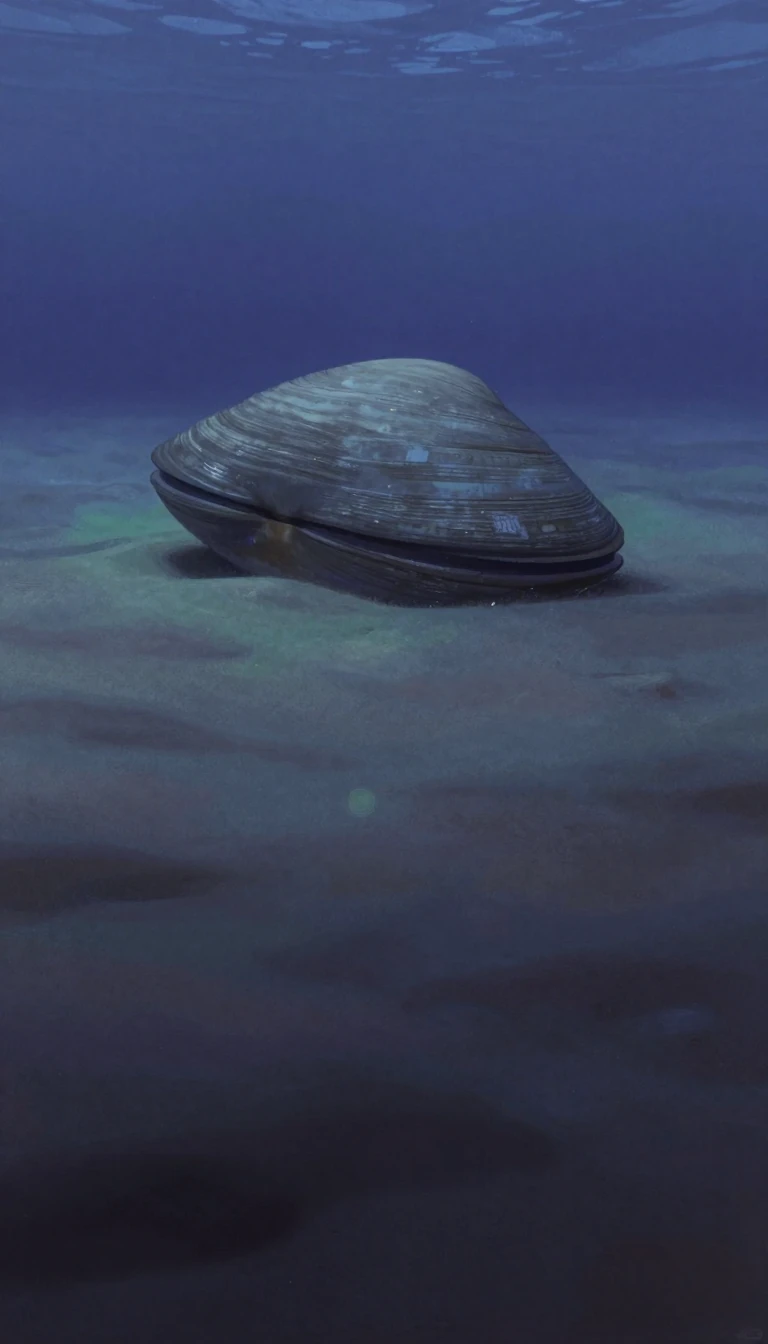
In short: Forget the myths of divers trapped by snapping shells. The giant clam is actually a master of solar energy, farming algae within its own tissues to fuel its massive growth. These sessile creatures are among the most efficient natural solar-energy harvesters on Earth, yet they face extinction from overexploitation.
The giant clam, Tridacna gigas, is the largest living bivalve mollusc, capable of reaching weights over 200 kilograms and lengths up to 120 centimeters. Despite their size, they are not the aggressive predators depicted in folklore. Tales of clams trapping divers—once even appearing in the U.S. Navy Diving Manual—are entirely false. Their adductor muscles close too slowly to pose a threat to humans, and the physical requirement to expel water while closing makes it impossible for them to snap shut on a limb.
Their survival strategy is a marvel of biological engineering. As adults, these clams are sessile, meaning they remain fixed in place on coral reefs. To thrive in nutrient-poor waters, they cultivate symbiotic dinoflagellate algae, known as zooxanthellae, within their mantle tissues. By day, the clam extends its mantle to expose these algae to sunlight, providing them with carbon dioxide, phosphates, and nitrates. In return, the algae supply 65 to 70 percent of the clam's nutritional needs. Recent research suggests they use iridescent cells to channel light, achieving a photon-to-electron conversion efficiency of up to 67 percent.
Reproduction is equally sophisticated. As hermaphrodites, they can produce both eggs and sperm, though they cannot self-fertilize. They employ broadcast spawning, releasing millions of eggs and sperm into the water column. To ensure success, they use a chemical signal called spawning induced substance (SIS). When a nearby clam detects this substance via its chemoreceptors, it triggers a synchronized release. This process is often timed with lunar cycles, specifically the full, new, and third-quarter moon phases.
Despite their evolutionary success, giant clams are in decline. They are heavily harvested for food, the aquarium trade, and their shells, which are sold as decorative items. Because they are slow-growing and often targeted as large, profitable adults, populations have vanished from many areas where they were once common. Conservation efforts, including mariculture projects in Palau and the Philippines, are now attempting to restock these vital reef inhabitants.
Opens the Intellect+ feed with this card first. Swipe up for the next one.
Sources
- Summary by Intellect · source: Giant clam
- Also: iNaturalist — Small Giant Clam (Tridacna maxima) · CC BY-SA 4.0 (Wikipedia summary)
- Also: iNaturalist — Fluted Giant Clam (Tridacna squamosa) · CC BY-SA 4.0 (Wikipedia summary)
To cite this card, link to https://intellectplus.co.uk/app/nature-giant-clam.
How we source, check and correct cards: Editorial standards.
General information, not professional advice. Spotted an error? Flag the card or see corrections and complaints.
Intellect Plus is a visual educational discovery platform for exploring fascinating facts and ideas. Brain Food, Not Brain Rot. What is Intellect Plus?
Related
More in Mollusks · More in Nature · Latest · A–Z · All topics
