Why the razor clam is the most elusive escape artist on the beach
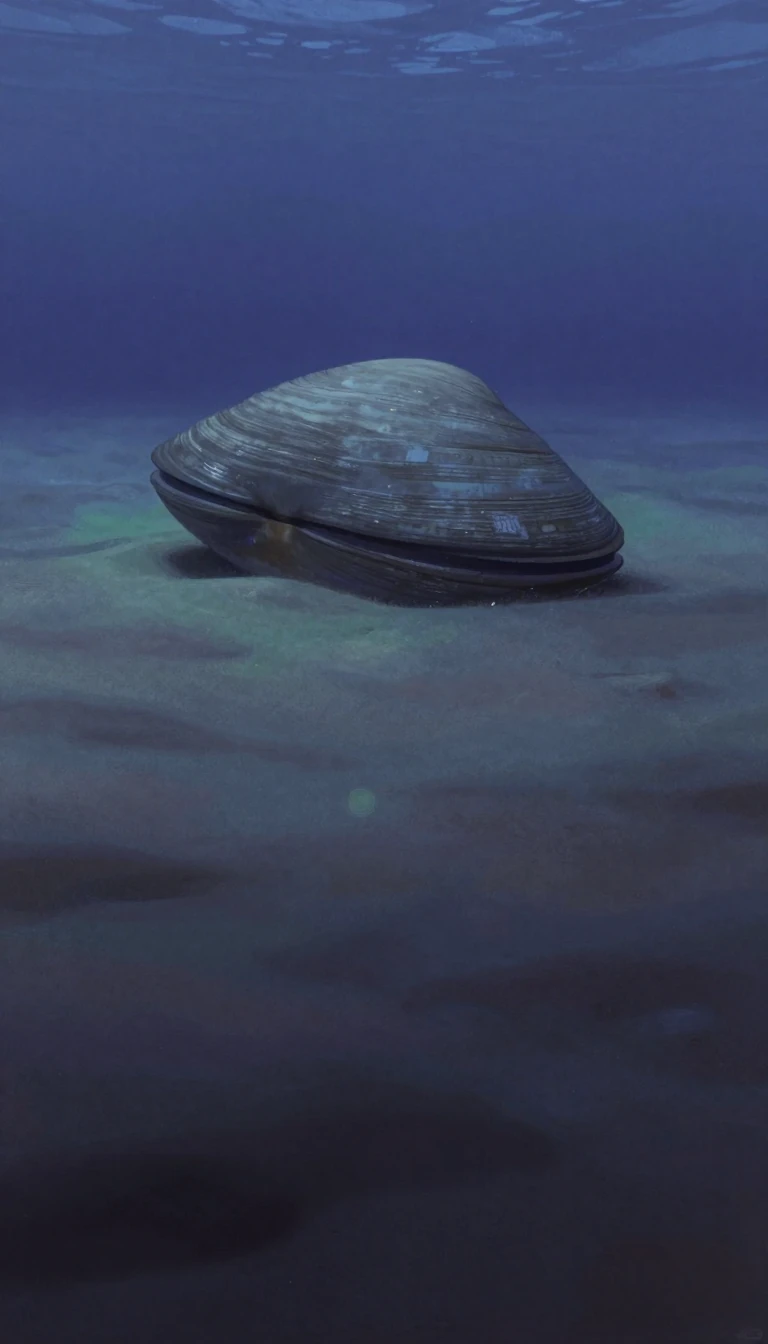
In short: Known as spoots in Scotland for the water they spray while burrowing, Ensis clams are masters of rapid escape. These fragile, razor-shaped mollusks hide deep within clean, sandy beaches. To catch one, you must outsmart their instinctual reaction to salt, a method that turns a simple hunt into a delicate game.
The genus Ensis, comprising thirteen recognized species, represents a specialized group of littoral bivalve mollusks within the family Pharidae. Their physical design is unmistakable: long, narrow, and parallel-sided shells that mirror the appearance of traditional straight razors or jackknives. This fragile architecture is perfectly adapted for life in clean, exposed sandy environments, where they spend their time buried beneath the surface.
The survival mechanism of the Ensis is defined by its remarkable speed. When threatened or disturbed, these clams can burrow into the sand with surprising velocity. This behavior is so characteristic that it has influenced their regional naming conventions, such as the Scottish term spoots, derived from the jets of water they eject during the digging process. Because their shells are delicate and prone to damage, traditional harvesting requires a nuanced approach rather than brute force.
One common method for capturing these elusive creatures involves exploiting their sensitivity to salinity. Clammers often locate the keyhole-shaped breathing holes left by the clam in the sand. By pouring salt into these openings, they trigger an escape response; the clam, sensing a change in its environment, attempts to flee by rising toward the surface. At this precise moment, a patient harvester can gently grasp the shell and extract it from the ground. While species like the pod razor (Ensis siliqua) are fished commercially in regions like Spain, Ireland, and Scotland, others like the Atlantic jackknife (Ensis leei) have successfully expanded their range, having been introduced to European waters in the late 1970s where they are now extremely abundant.
Opens the Intellect+ feed with this card first. Swipe up for the next one.
Sources
- Summary by Intellect · source: Ensis
- Also: Atlantic Jackknife (Ensis leei)
- Also: Pod Razor (Ensis siliqua)
To cite this card, link to https://intellectplus.co.uk/app/nature-ensis.
How we source, check and correct cards: Editorial standards.
General information, not professional advice. Spotted an error? Flag the card or see corrections and complaints.
Intellect Plus is a visual educational discovery platform for exploring fascinating facts and ideas. Brain Food, Not Brain Rot. What is Intellect Plus?
Related
More in Mollusks · More in Nature · Latest · A–Z · All topics
