Freshwater ecosystems are in crisis, with extinction rates far outpacing those of land animals.
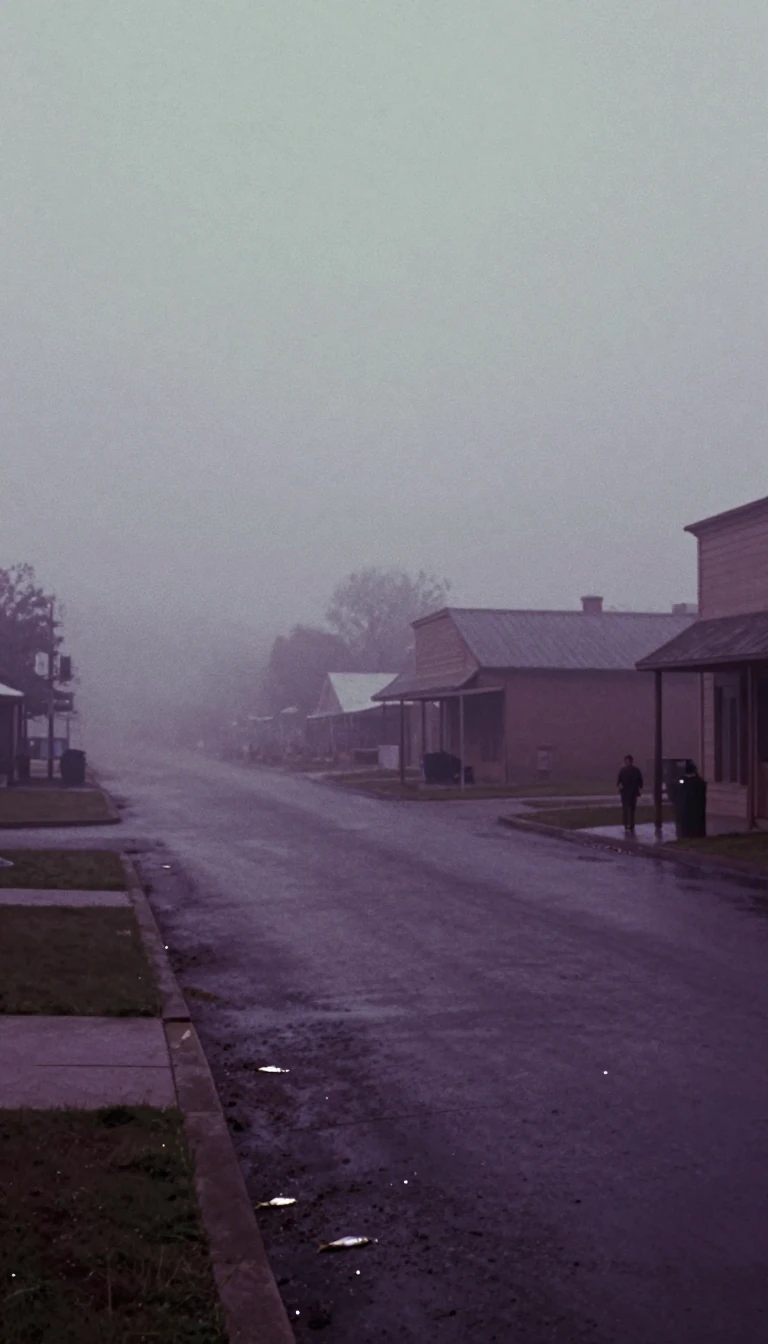
In short: Freshwater habitats hold 41% of known fish species, yet they are vanishing at an alarming speed. Between 1970 and 2014, populations of freshwater vertebrates plummeted by 83%. From invasive species to climate change, these vital systems are under siege, requiring urgent global action to prevent further catastrophic biodiversity loss.
Freshwater ecosystems are classified into three primary types: lentic systems like lakes and ponds, lotic systems such as rivers and streams, and wetlands where soil remains saturated. These environments are governed by factors like temperature, light, and nutrient availability. While they cover a small fraction of Earth's surface, they are biological hotspots, supporting nearly half of all known fish species. However, the health of these systems is declining faster than that of marine or terrestrial environments.
The threats are multifaceted, ranging from overexploitation and pollution to habitat fragmentation caused by dams. Climate change acts as a force multiplier, having already raised water temperatures by approximately 1 °C and reduced ice cover, which stresses the organisms within. Invasive species, often introduced for sport or food, further destabilize these habitats by outcompeting native life. In North America, the situation is particularly dire; freshwater fish extinction rates are estimated to be 877 times higher than natural background levels, with nearly half of all mussel species currently threatened or endangered.
Monitoring these ecosystems has evolved from simple chemical testing to complex biomonitoring. Scientists now track community structures of macroinvertebrates, algae, and fish to gauge ecosystem health. To understand what 'healthy' looks like, researchers use reference sites—either by finding pristine locations or by analyzing historical biological indicators like pollen and scales preserved in sediment. Despite these sophisticated tools, the cumulative impact of human activity remains a severe challenge, prompting a global Emergency Action plan to restore what remains of these fragile, essential networks.
Opens the Intellect+ feed with this card first. Swipe up for the next one.
Sources
- Summary by Intellect · source: Freshwater ecosystem
To cite this card, link to https://intellectplus.co.uk/app/nature-freshwater-ecosystem.
How we source, check and correct cards: Editorial standards.
General information, not professional advice. Spotted an error? Flag the card or see corrections and complaints.
Intellect Plus is a visual educational discovery platform for exploring fascinating facts and ideas. Brain Food, Not Brain Rot. What is Intellect Plus?
Related
More in Earth science basics · More in Nature · Latest · A–Z · All topics
