Why the world's most productive ecosystems are vanishing at an alarming, unsustainable rate
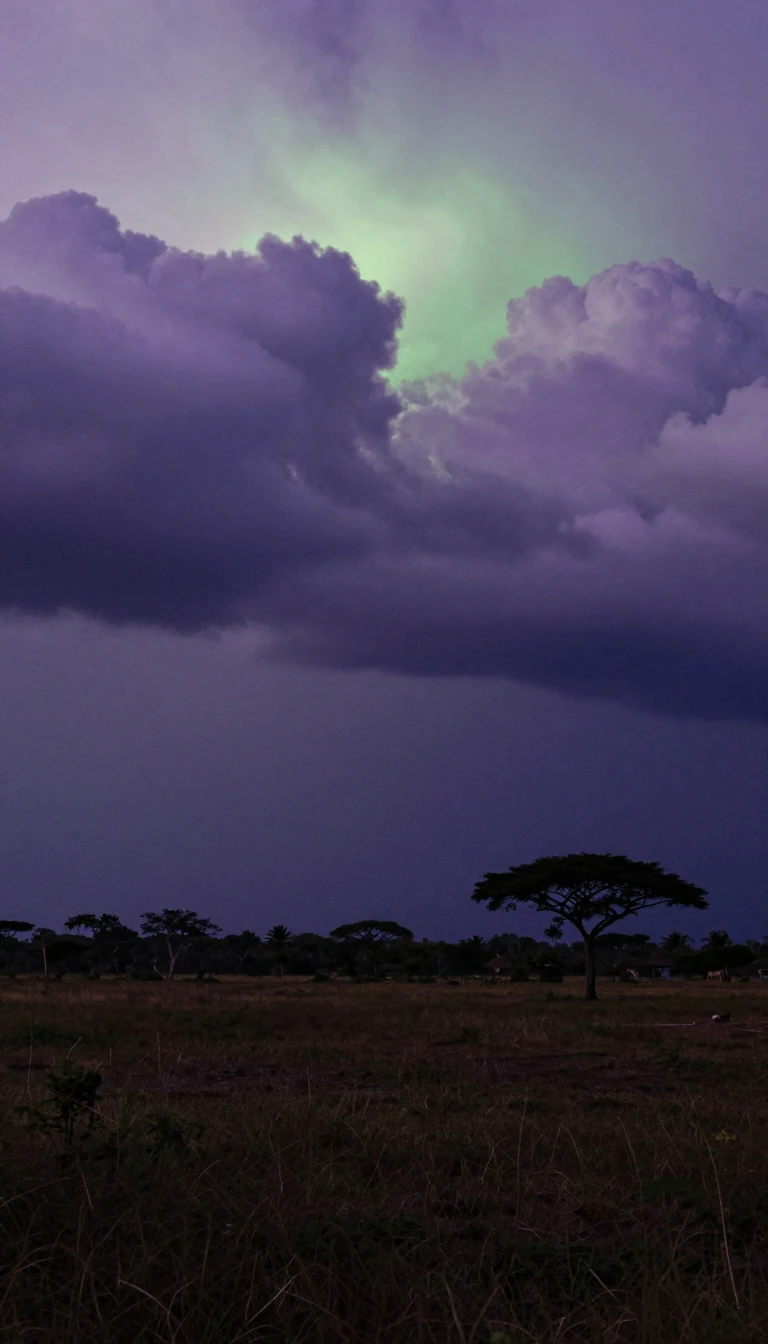
In short: Tropical and subtropical moist broadleaf forests are the planet's biological powerhouses, housing half of all known species within a thin band around the equator. Despite their unparalleled productivity and explosive growth, these vital habitats are being cleared for farmland and logging at a rate equivalent to Ireland every few years.
Defined by the World Wide Fund for Nature, these forests thrive in regions with consistent, high annual rainfall exceeding 2,000 mm and minimal temperature fluctuations. This perpetually warm and wet climate creates the most productive terrestrial environment on Earth. In these conditions, vegetation flourishes with remarkable speed; some trees can reach heights of over 23 meters in a mere five years. This rapid growth creates a complex, multi-layered architecture, ranging from the dark, relatively clear forest floor to the towering emergent trees that pierce the canopy.
The biodiversity within these ecosystems is staggering. A single square kilometer can host more than 1,000 distinct tree species, and the canopy layers support an incredible array of life, from apes and monkeys to massive invertebrates like New Guinea's 30 cm-long butterflies. While the term 'tropical rainforest' is the most common descriptor, the biome actually encompasses a diverse range of environments, including seasonal monsoon forests, high-altitude cloud forests, and specialized flooded or swamp forests. Each of these sub-types plays a critical role in maintaining global ecological health.
Despite covering less than 6% of Earth's land surface, these forests are essential to global biodiversity. However, they face severe threats from human activity. Large-scale commercial logging and the conversion of forest land into agricultural territory are driving rapid destruction. Because these forests are home to an estimated 50% of the world's plant and animal species, their ongoing loss represents a significant and permanent reduction in the planet's biological variety. Protecting these regions is not merely about preserving trees, but about safeguarding the most complex web of life currently existing on our planet.
Opens the Intellect+ feed with this card first. Swipe up for the next one.
Sources
- Summary by Intellect · source: Tropical and subtropical moist broadleaf forests
To cite this card, link to https://intellectplus.co.uk/app/nature-tropical-and-subtropical-moist-broadleaf-forests.
How we source, check and correct cards: Editorial standards.
General information, not professional advice. Spotted an error? Flag the card or see corrections and complaints.
Intellect Plus is a visual educational discovery platform for exploring fascinating facts and ideas. Brain Food, Not Brain Rot. What is Intellect Plus?
Related
More in Earth science basics · More in Nature · Latest · A–Z · All topics
