The forearc is the violent, churning engine room of our planet's tectonic plates.
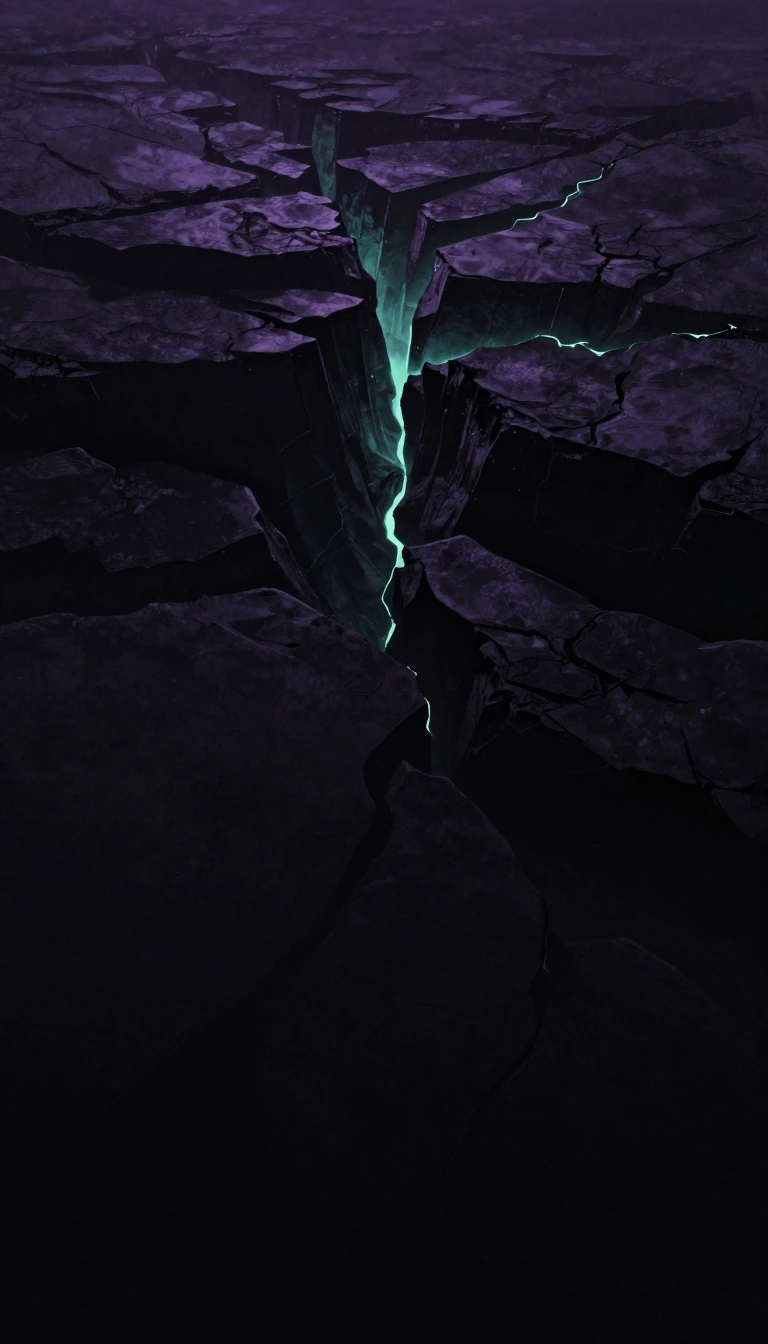
In short: Tucked between deep-sea trenches and towering volcanic arcs, the forearc region is a geological crossroads. It is a place where oceanic crust is recycled, mountains are born, and the most powerful earthquakes on Earth are triggered. Understanding this zone is key to decoding how our planet’s surface constantly reshapes itself.
A forearc is the geological region situated between an oceanic trench and its associated volcanic arc. As an oceanic plate subducts beneath another tectonic plate, it creates a subduction zone. The weight of the descending slab flexes the overriding plate, forming the trench, while water and volatiles from the subducting plate trigger flux melting in the mantle, generating the magma that rises to form the volcanic arc.
The space between these two features is a complex, high-pressure environment. It often contains an accretionary wedge—a topographic ridge formed by scraped-off sediment—and a forearc basin that accumulates thick deposits. This region is not static; it is a site of constant recycling. Rocks are pulled down by the subducting plate and forced back up by high-pressure flows, creating a chaotic mixture of igneous, metamorphic, and sedimentary rocks known as a mélange. Geologists sometimes find high-pressure, low-temperature rocks like blueschist and eclogite here, which must have been dragged to significant depths and kept cool by the subducting slab before being uplifted.
The interaction between the overriding and underthrusting plates creates strong coupling mechanisms, making forearc regions the source of devastating megathrust earthquakes, such as the 2013 Tohoku-oki event. These zones are characterized by relatively low heat flow, typically around 30 to 40 mW/m2, indicating a cold, strong mantle. The structure of the forearc is a delicate equilibrium between buoyancy and tectonic forcing, with its evolution heavily influenced by sediment supply and the age and velocity of the converging plates.
When two landmasses eventually collide, the forearc region undergoes profound changes. It may be sutured, rotated, or shortened, leading to the formation of fold and thrust belts. In places like the Mariana forearc, researchers have observed erosive margins and massive serpentine-mud volcanoes, providing further evidence of the intense, cold-slab dynamics that define these critical, yet poorly understood, tectonic boundaries.
Opens the Intellect+ feed with this card first. Swipe up for the next one.
Sources
- Summary by Intellect · source: Forearc
To cite this card, link to https://intellectplus.co.uk/app/nature-forearc.
How we source, check and correct cards: Editorial standards.
General information, not professional advice. Spotted an error? Flag the card or see corrections and complaints.
Intellect Plus is a visual educational discovery platform for exploring fascinating facts and ideas. Brain Food, Not Brain Rot. What is Intellect Plus?
Related
More in Geology · More in Nature · Latest · A–Z · All topics
