The shovel-tusked giants that once roamed almost every continent on Earth
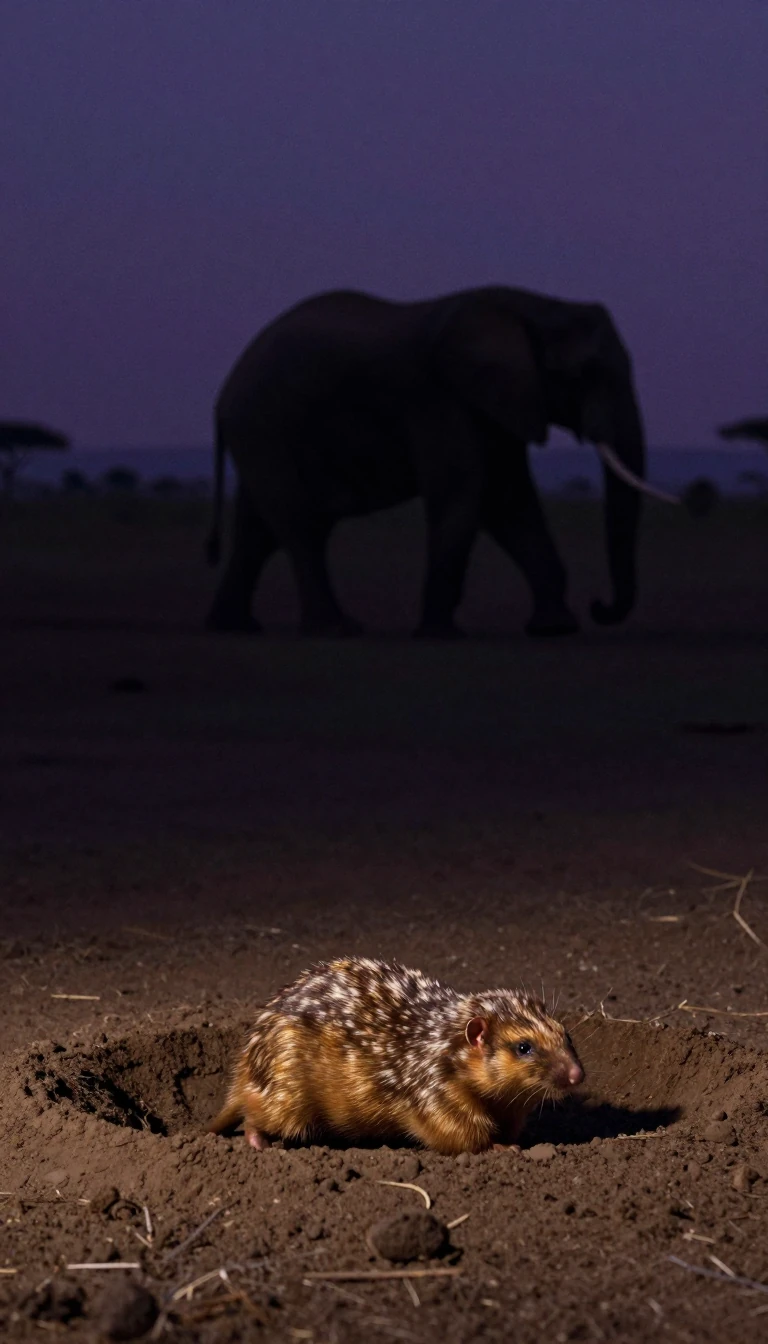
In short: Before modern elephants dominated the landscape, a diverse group of proboscideans known as gomphotheres thrived for millions of years. These fascinating creatures, which evolved unique shovel-like jaws and specialized teeth, spread across the globe, eventually crossing paths with early human populations before vanishing during the late Quaternary megafaunal extinctions.
Gomphotheres represent the most numerous group within the order Proboscidea. Emerging perhaps as early as the late Oligocene Epoch, roughly 33.9 to 23 million years ago, these animals successfully inhabited grasslands, forests, and marshes across Africa, Eurasia, and North America. Their expansion was so extensive that they reached South America during the early Pleistocene, shortly after the Isthmus of Panama formed a land bridge. While their diversity peaked toward the end of the Miocene Epoch, their numbers eventually declined as global temperatures cooled and true elephants began to rise in prominence.
Physically, gomphotheres were distinct from their modern relatives. Many species possessed a second set of tusks extending from the lower jaw, which, in marsh-dwelling varieties like Amebelodon and Platybelodon, formed a shovel-like structure. These adaptations were likely used for digging up roots or scooping aquatic vegetation, though wear patterns suggest some also browsed on tree bark and leaves. Their teeth were equally specialized, featuring a conveyor-belt system of replacement and rounded cusps that allowed them to grind down coarse, abrasive vegetation. These animals were categorized into trilophodonts and tetralophodonts based on the number of plates in their molars.
The ultimate fate of the gomphotheres remains a subject of study, as they were part of the widespread megafaunal die-offs that followed the retreat of the Pleistocene ice sheets. Despite this, some clades persisted well after the last glacial maximum, which occurred between 26,500 and 19,000 years ago. Archaeological evidence confirms their presence alongside early humans, with remains discovered at sites such as El Fin del Mundo in Mexico, dated to 12,000 years ago, and Monte Verde in Chile, dated to 13,000 years ago. Whether they were direct ancestors to modern elephants or a separate lineage that diverged after the emergence of the mastodon remains a point of scientific discussion.
Opens the Intellect+ feed with this card first. Swipe up for the next one.
Sources
- Summary by Intellect · source: Gomphothere | Prehistoric Mammal, Fossilized Remains | Britannica
- Also: Gomphothere
To cite this card, link to https://intellectplus.co.uk/app/nature-gomphothere.
How we source, check and correct cards: Editorial standards.
General information, not professional advice. Spotted an error? Flag the card or see corrections and complaints.
Intellect Plus is a visual educational discovery platform for exploring fascinating facts and ideas. Brain Food, Not Brain Rot. What is Intellect Plus?
Related
More in Vertebrates · More in Nature · Latest · A–Z · All topics
