Did this prehistoric elephant relative really use its jaw as a giant shovel?
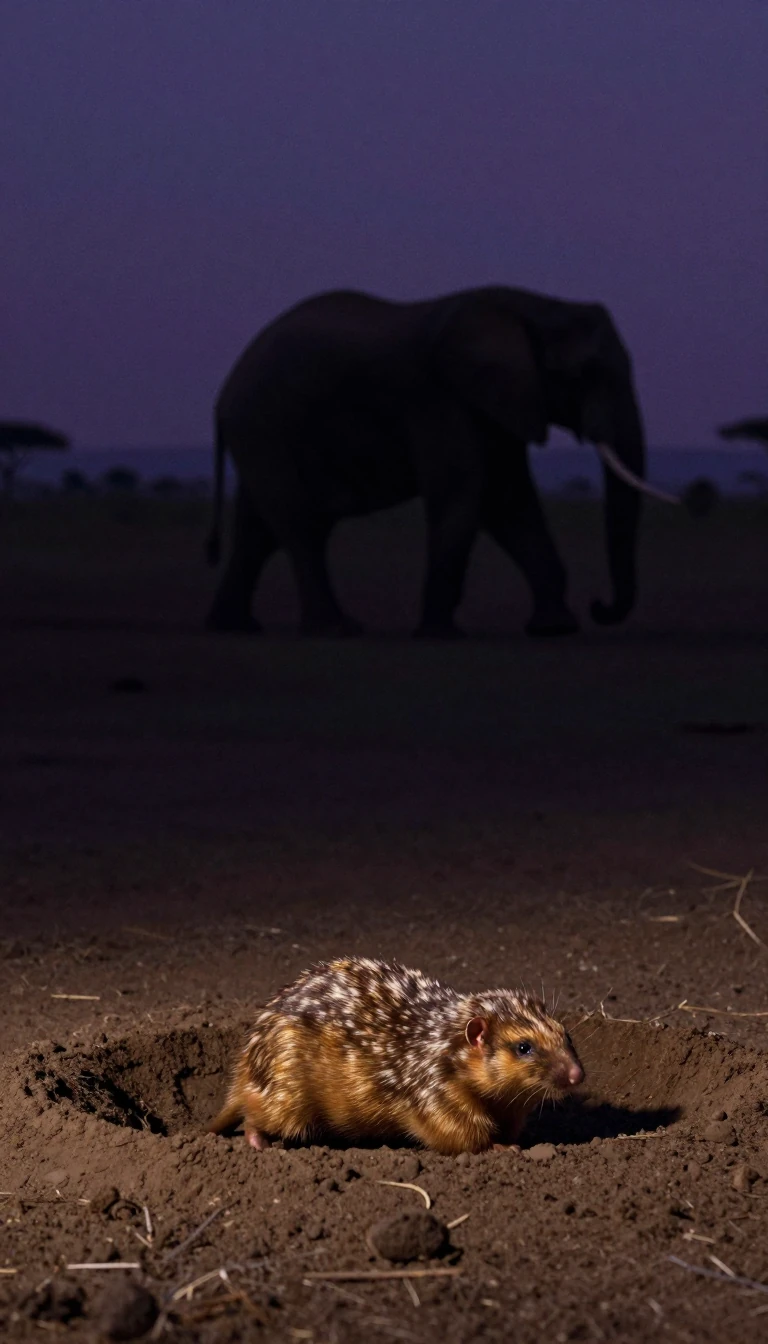
In short: Platybelodon, an extinct proboscidean, is famous for its bizarre, spoon-shaped lower jaw. While early researchers imagined it scooping up swamp plants, modern analysis reveals a more sophisticated tool. This ancient mammal was likely a versatile feeder, using its unique anatomy to strip bark and slice through tough, vertical vegetation.
Discovered in the Caucasus in 1927, Platybelodon is a genus of amebelodontid mammal that lived during the middle Miocene. Initially, paleontologists like Alexey Borissiak, who described the type species P. danovi in 1928, believed the animal’s elongated, flattened lower jaw functioned like a shovel for harvesting aquatic plants. This theory was bolstered by the assumption that the creature lacked a trunk and instead possessed a large, hippopotamus-like upper lip. However, recent research has fundamentally shifted our understanding of how this animal interacted with its environment.
Evidence now suggests that Platybelodon possessed a functional trunk, which it likely used to grasp branches while its lower tusks acted as a scythe to cut vegetation. Tooth wear patterns and finite element analysis indicate that these animals were adept at stripping bark and slicing through vertically growing plants. This dietary flexibility may have allowed them to thrive as open ecosystems expanded during a regional drying event. Their anatomy was surprisingly agile, with limb structures suggesting they were more lightly built than many other proboscideans of the era.
The genus also provides a window into the evolution of sexual selection. Platybelodon exhibited significant sexual dimorphism, with males possessing larger upper tusks, more robust trunks, and distinct cranial features compared to females. This intense selection, similar to that seen in Gomphotherium, suggests a complex social history. While the taxonomy of these animals remains debated—with some researchers questioning if their shovel-like morphology evolved independently across different groups—recent studies continue to refine their place in the proboscidean family tree. Platybelodon eventually vanished from northern China by the end of the Middle Miocene, likely due to unfavorable climatic shifts.
Size estimates for these animals vary by species and sex. For instance, female P. grangeri may have stood about 180 cm at the shoulder, while males reached approximately 220 cm. The largest species, P. beliajevae, is estimated to have stood 240 cm tall and weighed around 3,500 kg. These dimensions highlight a diverse genus that adapted to a wide range of ecological pressures before its eventual extinction.
Opens the Intellect+ feed with this card first. Swipe up for the next one.
Sources
- Summary by Intellect · source: Platybelodon
To cite this card, link to https://intellectplus.co.uk/app/nature-platybelodon.
How we source, check and correct cards: Editorial standards.
General information, not professional advice. Spotted an error? Flag the card or see corrections and complaints.
Intellect Plus is a visual educational discovery platform for exploring fascinating facts and ideas. Brain Food, Not Brain Rot. What is Intellect Plus?
Related
More in Vertebrates · More in Nature · Latest · A–Z · All topics
