The first dinosaur skeleton ever mounted was a North American Hadrosaurus
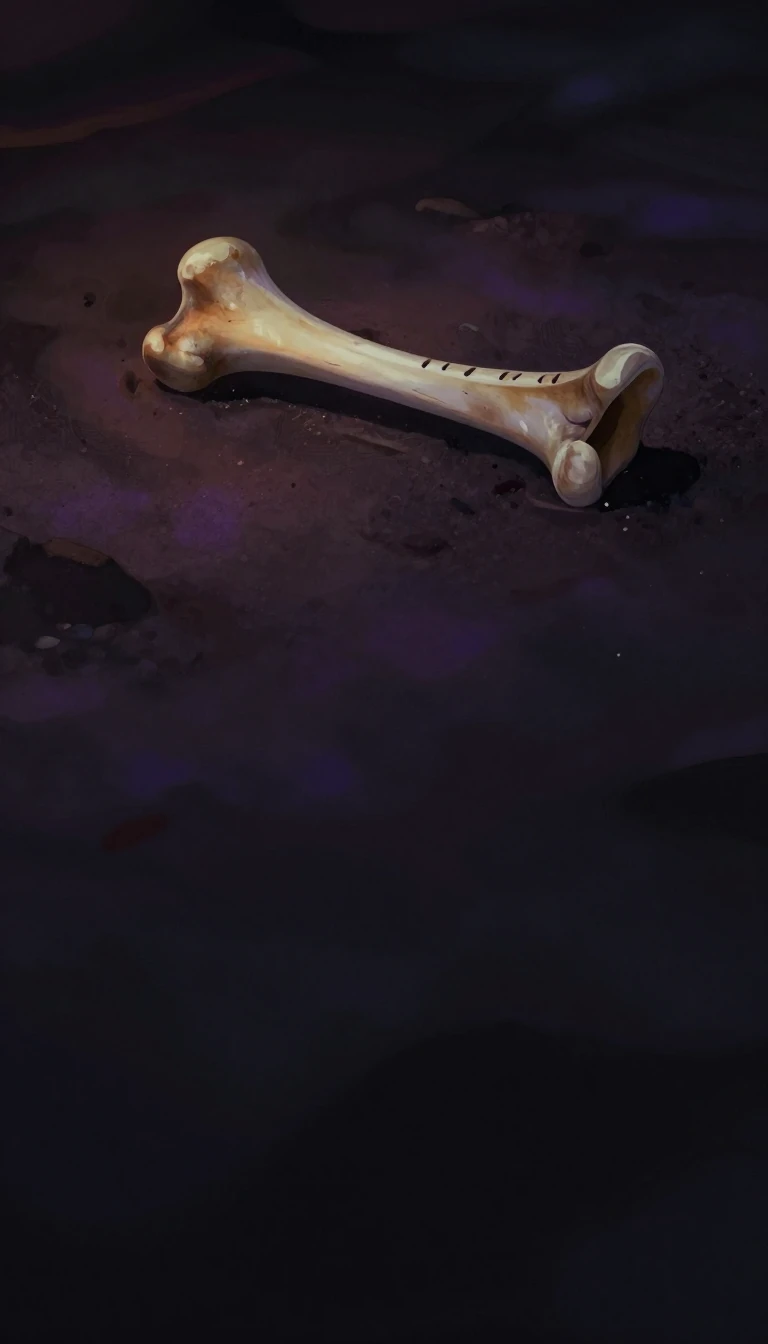
In short: In 1868, a team assembled the first mounted dinosaur skeleton ever displayed, and it belonged to Hadrosaurus, a bulky plant-eater from New Jersey. Its discovery began in a marl pit, and its name joins a Greek word for large with a playful nod to the man who found it.
Hadrosaurus lived in what is now New Jersey during the Late Cretaceous, roughly 83.6 to 77.9 million years ago, in the Woodbury Formation. The animals were large, estimated at 7 to 8 metres long and weighing about 2 to 4 tonnes, and they were heavily built with beaks for cropping plants and complex teeth for processing food. The bones were carried by a river and deposited in a sea, which is why the rocks around them are marine sediments.
The story of the find is one of local discovery. In 1838, John Estaugh Hopkins uncovered large bones while digging in a marl pit near Haddonfield, New Jersey. In 1858, William Parker Foulke recovered more of the skeleton, and he worked with the paleontologist Joseph Leidy, who formally named the species Hadrosaurus foulkii that year. The name combines Greek words meaning bulky and lizard, and Leidy added a joke by making it mean roughly Foulke's big lizard.
The scientific picture has shifted over time. Leidy reconstructed the animal as a biped at a time when many dinosaurs were thought to walk on four legs, and the mounted skeleton of 1868 was the first of its kind. Because the skeleton lacks a skull, it was long considered too incomplete to classify, and a 2011 re-examination found enough distinct features to keep the genus and species in use. A 2008 study also showed that Hadrosaurus sat at a more primitive position than related hadrosaurs, which led to the subfamily Hadrosaurinae being restricted to this single genus.
The fossil remains a landmark in the history of American palaeontology, and in 1991 it was named New Jersey's state dinosaur after a campaign by a fourth-grade class. A 2003 study also found tumours in Hadrosaurus vertebrae, a finding that suggests these ancient animals could develop cancers, though the cause remains unclear.
Opens the Intellect+ feed with this card first. Swipe up for the next one.
Sources
- Summary by Intellect · source: Hadrosaurus
To cite this card, link to https://intellectplus.co.uk/app/nature-hadrosaurus.
How we source, check and correct cards: Editorial standards.
General information, not professional advice. Spotted an error? Flag the card or see corrections and complaints.
Intellect Plus is a visual educational discovery platform for exploring fascinating facts and ideas. Brain Food, Not Brain Rot. What is Intellect Plus?
Related
More in Vertebrates · More in Nature · Latest · A–Z · All topics
