The world's largest submarine plateau is not the continental fragment scientists once imagined.
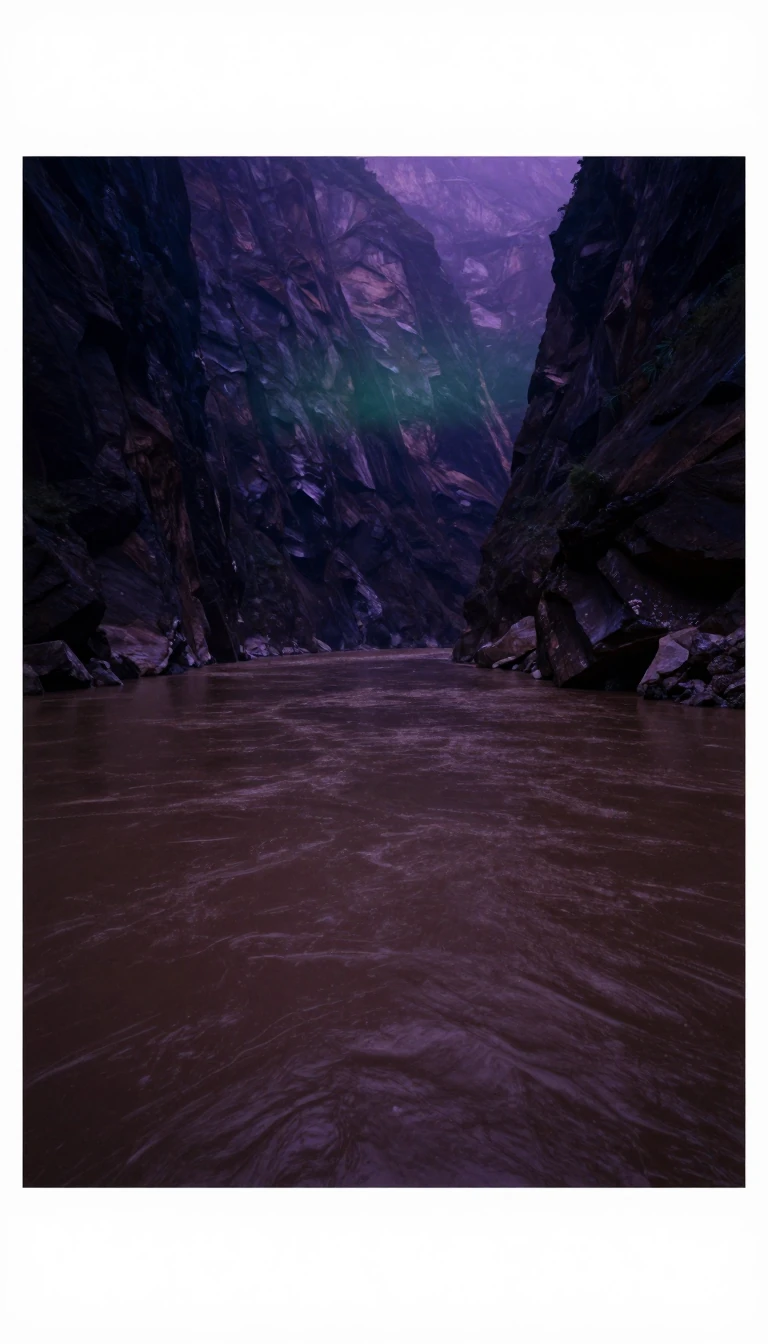
In short: Deep beneath the southern Indian Ocean lies the Kerguelen Plateau, a massive underwater elevation that dwarfs all others. Long assumed to be a sunken piece of a lost continent, modern research has revealed its true identity: a volcanic giant born from the Kerguelen hotspot, reshaping our understanding of oceanic geology.
Spanning over 1.2 million square kilometers, the Kerguelen Plateau is a colossal igneous province located on the Antarctic Plate. It rises roughly 2,000 meters above the surrounding seafloor, with most of its structure submerged at depths of less than 3,000 meters. While a tiny fraction of this vast feature breaks the surface to form the Kerguelen Islands and the Heard and McDonald Islands, the plateau itself is a distinct geological entity, separate from the continental fragments found elsewhere in the Indian Ocean.
The plateau's origins are tied to the Kerguelen hotspot, a volcanic engine that has been active for roughly 130 million years. Scientific consensus shifted after drilling expeditions near the Amery Ice Shelf in 1987–88, which provided evidence that the plateau is composed of volcanic material rather than continental rock. This discovery challenged earlier theories that categorized the feature as a sunken continental remnant, similar to the Seychelles-Mauritius Plateau.
The formation of the plateau is inextricably linked to the breakup of the supercontinent Gondwana. As India moved northward, the Kerguelen hotspot produced a series of structures, including the Southern Kerguelen Plateau and the Elan Bank. Complex tectonic processes, including 'ridge jumps'—where the spreading center between tectonic plates shifts—eventually transferred parts of the plateau from the Indian Plate to the Antarctic Plate. These movements also left behind microcontinents, such as the Elan Bank, which contain fragments of continental lithosphere despite the plateau's overall volcanic nature.
Understanding the Kerguelen Plateau is vital for mapping the history of continental drift and oceanic evolution. Its peak volcanic output, occurring between 120 and 95 million years ago, even contributed to significant environmental shifts, such as the oceanic anoxic event 1. By studying this submerged giant, geologists continue to refine the timeline of how the Indian Ocean opened and how the Earth's crust has been rearranged over millions of years.
Opens the Intellect+ feed with this card first. Swipe up for the next one.
Sources
- Summary by Intellect · source: Kerguelen Plateau | submarine plateau, Indian Ocean | Britannica
- Also: Kerguelen Plateau
To cite this card, link to https://intellectplus.co.uk/app/nature-kerguelen-plateau.
How we source, check and correct cards: Editorial standards.
General information, not professional advice. Spotted an error? Flag the card or see corrections and complaints.
Intellect Plus is a visual educational discovery platform for exploring fascinating facts and ideas. Brain Food, Not Brain Rot. What is Intellect Plus?
Related
More in Physical geography · More in Nature · Latest · A–Z · All topics
