Meet the Cambrian arthropod with whip-like appendages and a mysterious, multi-eyed gaze
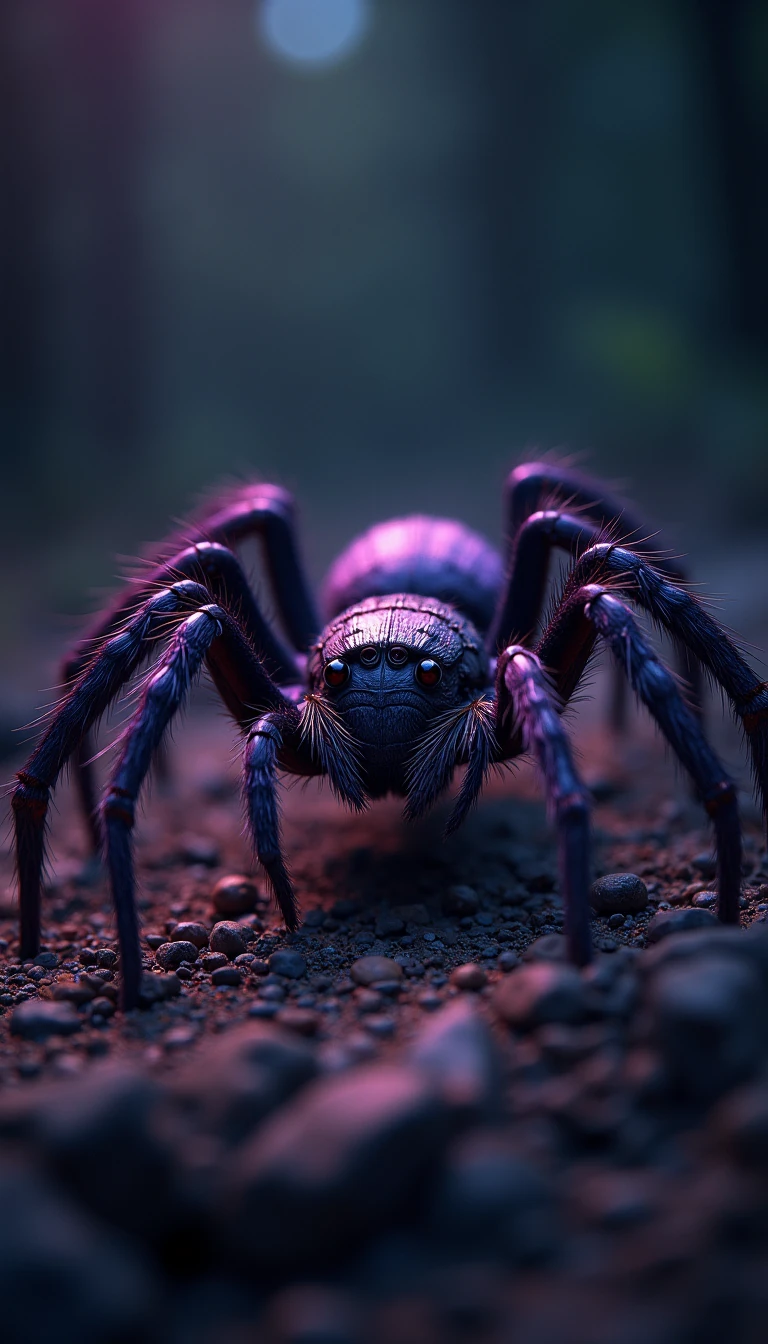
In short: Leanchoilia was a marine arthropod that thrived during the Cambrian period, leaving fossils in Canada and China. Measuring only five centimetres long, this creature featured distinctive, long flagellae extending from its great appendages. Its unique anatomy, including protected eyes and preserved internal organs, offers a rare glimpse into ancient life.
Leanchoilia represents a fascinating group of megacheiran arthropods that inhabited marine environments during the Cambrian period. Fossil evidence for these creatures has been uncovered in two major sites: the Burgess Shale in Canada and the Chengjiang biota in China. These locations have provided scientists with remarkably detailed specimens, sometimes even revealing internal organs preserved in three dimensions within the surrounding substrate.
The physical structure of Leanchoilia is defined by its great appendages, which terminate in long, whip-like flagellae. The creature possessed two pairs of eyes, with two eyes positioned on each side of its body, all shielded by an exterior head covering. While the type species, L. superlata, reached lengths of about five centimetres, the genus as a whole is quite diverse. Researchers currently accept seven species, including L. persephone and L. protogonia from the Burgess Shale, and L. illecebrosa and L. obesa from the Chengjiang biota.
Taxonomy remains a subject of ongoing investigation. For instance, some experts suggest that L. superlata and L. persephone might not be distinct species at all, but rather represent examples of sexual dimorphism within a single group. The rarity of these animals is also notable; in the Greater Phyllopod bed, Leanchoilia specimens account for only 0.1% of the total community, with 55 specimens identified. Other species, such as L. robisoni from the Kaili formation and L.? hanceyi from the Spence Shale, further illustrate the wide geographical distribution of this ancient arthropod genus across different Cambrian deposits.
Opens the Intellect+ feed with this card first. Swipe up for the next one.
Sources
- Summary by Intellect · source: Leanchoilia
To cite this card, link to https://intellectplus.co.uk/app/nature-leanchoilia.
How we source, check and correct cards: Editorial standards.
General information, not professional advice. Spotted an error? Flag the card or see corrections and complaints.
Intellect Plus is a visual educational discovery platform for exploring fascinating facts and ideas. Brain Food, Not Brain Rot. What is Intellect Plus?
Related
More in Arthropods · More in Nature · Latest · A–Z · All topics
