Are these ancient armored creatures the missing link between mollusks and other animals?
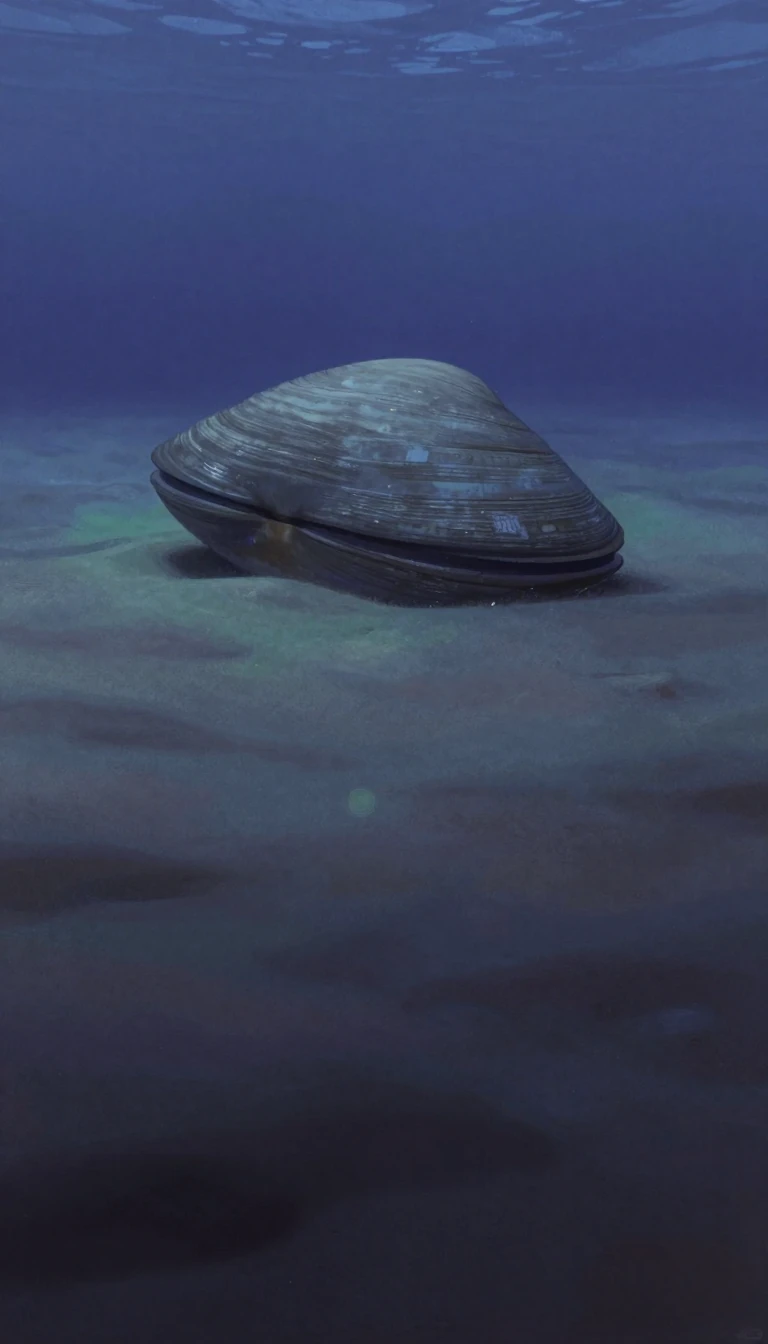
In short: Halkieriids were strange, armored organisms from the Cambrian period, covered in mysterious mineralized plates called sclerites. Paleontologists have spent decades debating their identity, arguing over whether they were early mollusks, ancestors of brachiopods, or something else entirely. Their evolutionary position remains one of the most complex puzzles in early animal history.
Halkieriids, named for the genus Halkieria, are fossil organisms primarily known from the Lower to Middle Cambrian. Their most complete specimens, specifically Halkieria evangelista, were discovered in Greenland’s Sirius Passet lagerstätte. These creatures were defined by their sclerites—armor plates that are often found as isolated small shelly fossils in phosphate deposits across the globe, from Australia to Canada. Because phosphate preservation became rarer as burrowing animals disturbed sea floors, the true lifespan of these organisms remains obscured by the Signor–Lipps effect, meaning they likely existed before and after their known fossil record.
The debate over where halkieriids fit in the tree of life is intense. One major hypothesis, supported by researchers like Conway Morris, links them to mollusks and brachiopods. This view suggests that halkieriids possessed a muscular foot and that their sclerites share structural similarities with the bristles of brachiopods and annelids. Some scientists even propose that brachiopods evolved from a halkieriid lineage that folded its body and developed a stalk. Conversely, other researchers, such as Vinther and Nielsen, argue that Halkieria was a crown group mollusk, citing similarities between their sclerites and those of modern aplacophoran and polyplacophoran mollusks.
Further complicating the picture is the relationship between halkieriids and chancelloriids, which were sessile, bag-like organisms. Both groups possess hollow 'coelosclerites' made of aragonite with nearly identical internal fiber arrangements. While it seems improbable that unrelated organisms evolved such complex structures independently, the radical difference in their body plans makes a direct link difficult to prove. Some suggest the common ancestor of both groups had unmineralized sclerites, or that chancelloriids represent a primitive state from which bilaterians evolved. As new fossils like Orthrozanclus reburrus are discovered, they continue to challenge existing cladograms, leaving the exact ancestry of these armored Cambrian enigmas a subject of ongoing scientific contention.
Opens the Intellect+ feed with this card first. Swipe up for the next one.
Sources
- Summary by Intellect · source: Halkieriid
To cite this card, link to https://intellectplus.co.uk/app/nature-halkieriid.
How we source, check and correct cards: Editorial standards.
General information, not professional advice. Spotted an error? Flag the card or see corrections and complaints.
Intellect Plus is a visual educational discovery platform for exploring fascinating facts and ideas. Brain Food, Not Brain Rot. What is Intellect Plus?
Related
More in Mollusks · More in Nature · Latest · A–Z · All topics
