The ocean is not just water; it is a vertical world of five distinct layers
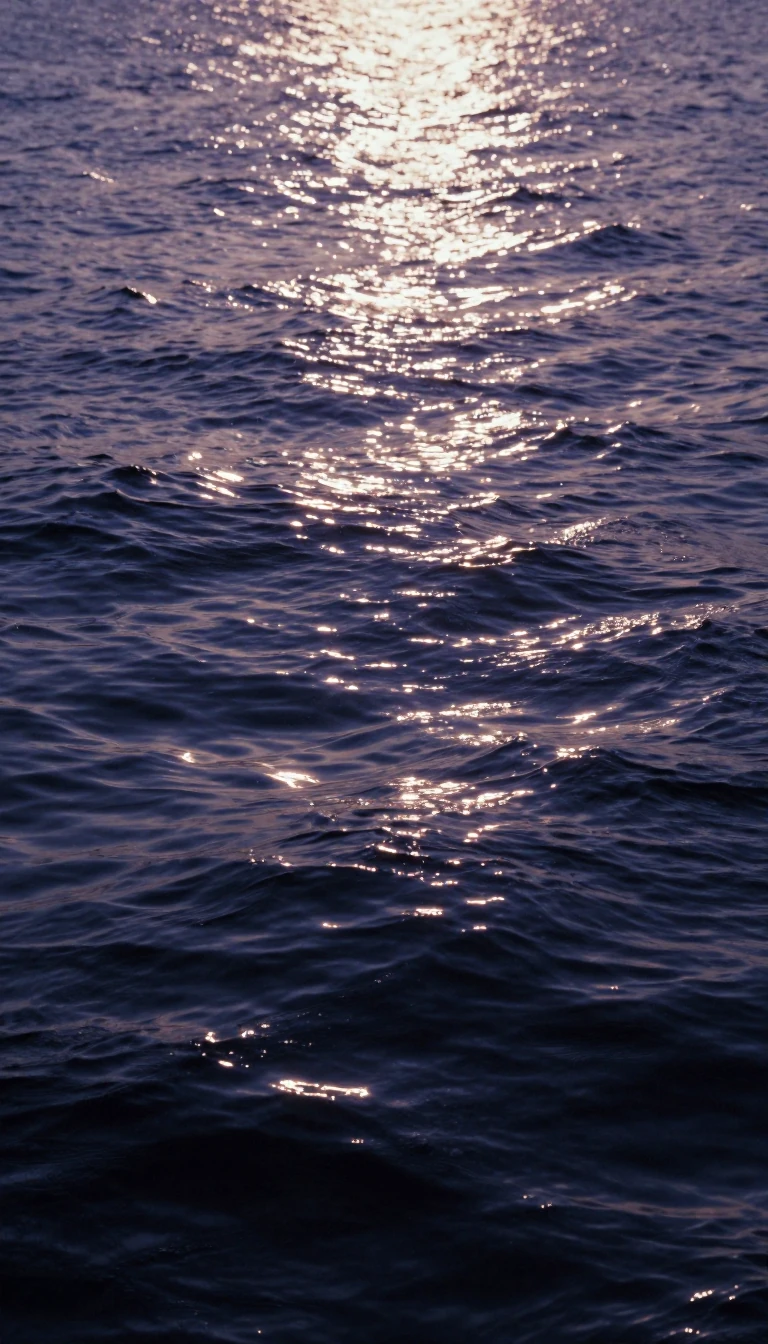
In short: Beneath the surface, the ocean divides into five unique vertical zones, each defined by light, pressure, and temperature. From the sun-drenched surface to the crushing, pitch-black trenches, these layers create vastly different environments that dictate how life survives—or thrives—in the deep, mysterious expanse of the open sea.
Oceanographers categorize the water column into five specific zones based on light penetration: the epipelagic, mesopelagic, bathypelagic, abyssopelagic, and hadal zones. The uppermost layer, the epipelagic or sunlight zone, extends to about 200 meters. This is the only region where sufficient light supports photosynthesis, allowing phytoplankton to sustain a complex food web that includes fish and marine mammals.
Below this lies the mesopelagic, or twilight zone, stretching from 200 to 1,000 meters. Here, light is scarce, and temperatures fluctuate between 4 and 20 degrees Celsius. As we descend into the bathypelagic, or midnight zone, which reaches down to 4,000 meters, sunlight vanishes entirely. In this aphotic realm, which covers over half of the ocean, life relies on bioluminescence or chemosynthetic bacteria clustered around mineral-rich hydrothermal vents.
The deepest reaches are the abyssopelagic zone, extending to 6,500 meters, and the hadal zone, which plunges from 6,000 to 11,000 meters within deep-sea trenches. Named after the Greek underworld, the hadal zone represents the most extreme environment on Earth. In these high-pressure, freezing depths, organisms have evolved remarkable adaptations, such as the loss of eyes or the ability to produce their own light through chemical reactions similar to a glow stick.
Understanding these zones is vital because the ocean remains a largely unexplored frontier. While the surface is familiar, the vast majority of the water column exists in perpetual darkness where traditional biological rules are rewritten. Whether through the navigation of bioluminescent predators or the energy production of bacteria at hydrothermal vents, life in these vertical layers demonstrates the incredible resilience of nature in the face of extreme conditions.
Opens the Intellect+ feed with this card first. Swipe up for the next one.
Sources
- Summary by Intellect · source: Ocean zones | Woods Hole Oceanographic Institution
- Also: Oceanic zone
To cite this card, link to https://intellectplus.co.uk/app/nature-oceanic-zone.
How we source, check and correct cards: Editorial standards.
General information, not professional advice. Spotted an error? Flag the card or see corrections and complaints.
Intellect Plus is a visual educational discovery platform for exploring fascinating facts and ideas. Brain Food, Not Brain Rot. What is Intellect Plus?
Related
More in Water · More in Nature · Latest · A–Z · All topics
