Why these ancient, heavy-bodied spiders are built to last for decades
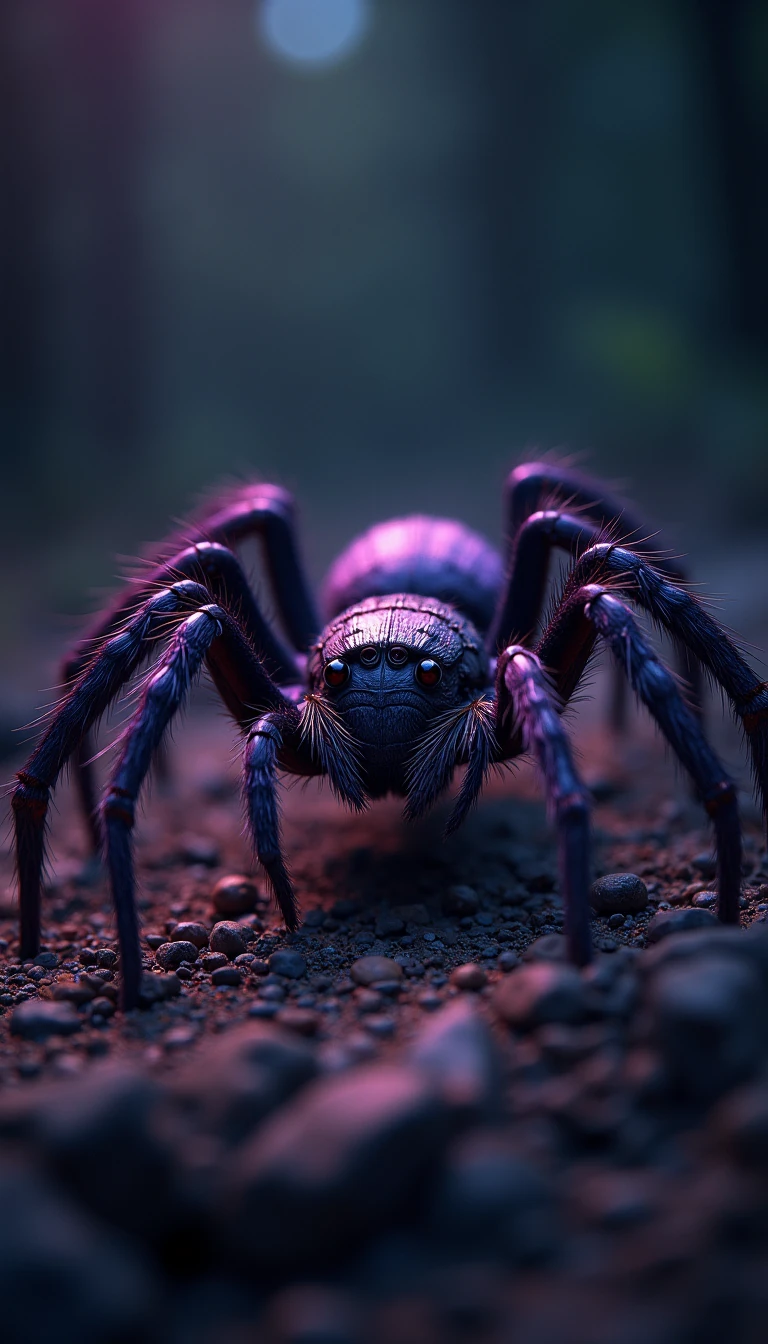
In short: Mygalomorphs are a massive group of spiders, including tarantulas and trapdoor spiders, found on every continent except Antarctica. Unlike their short-lived cousins, these stout-legged predators can survive for decades. Their downward-pointing fangs and ancient anatomy offer a window into the evolutionary history of all spiders.
The infraorder Mygalomorphae, a group comprising over 3,000 species, is defined by a set of ancestral traits known as symplesiomorphy. Unlike araneomorphs, which evolved modern features like cross-acting fangs, mygalomorphs retain the downward-pointing chelicerae and two pairs of book lungs common to the earliest spider ancestors. Because they lack the abdominal segmentation found in the more primitive Mesothelae, they are classified within the Opisthothelae. Their morphology is remarkably conserved, likely due to the similar selective pressures of their fossorial, tube-dwelling lifestyles.
These spiders are renowned for their longevity. While most spiders live for only about a year, mygalomorphs can survive for up to 25 years, with some individuals reaching maturity only after six years. One notable female trapdoor spider, documented in a 1974 survey in Western Australia, lived for 43 years. This slow life history is occasionally interrupted by specialized parasites; flies in the family Acroceridae may remain dormant within a spider's book lungs for as long as a decade before emerging to consume their host.
Taxonomic classification of the group has shifted significantly over time. Robert Raven’s 1985 monograph provided a foundational framework, but modern molecular phylogenetic studies have since overturned many of his groupings. The current consensus divides the infraorder into two primary superfamilies: Atypoidea and Avicularioidea. The former retains vestigial dorsal tergites, while the latter lacks them. Recent comprehensive studies, such as the 2020 work by Opatova et al., continue to refine these relationships, leading to the creation of new families like Entypesidae and Stasimopidae as researchers work to resolve the complexities of their evolutionary history.
Despite their fearsome reputation, most mygalomorphs are harmless to humans, with the notable exception of the Australian funnel-web spiders of the genus Atrax. Their size varies drastically, from species less than one millimeter long to the massive Theraphosa blondi, which boasts a leg span of 28 centimeters. Though they are now widely distributed, their presence on every continent suggests they may have been established globally before the breakup of the supercontinent Pangaea.
Opens the Intellect+ feed with this card first. Swipe up for the next one.
Sources
- Summary by Intellect · source: Mygalomorphae
To cite this card, link to https://intellectplus.co.uk/app/nature-mygalomorphae.
How we source, check and correct cards: Editorial standards.
General information, not professional advice. Spotted an error? Flag the card or see corrections and complaints.
Intellect Plus is a visual educational discovery platform for exploring fascinating facts and ideas. Brain Food, Not Brain Rot. What is Intellect Plus?
Related
More in Organisms · More in Nature · Latest · A–Z · All topics
