Why the northern shrimp, a marine food chain staple, has vanished from Maine waters.
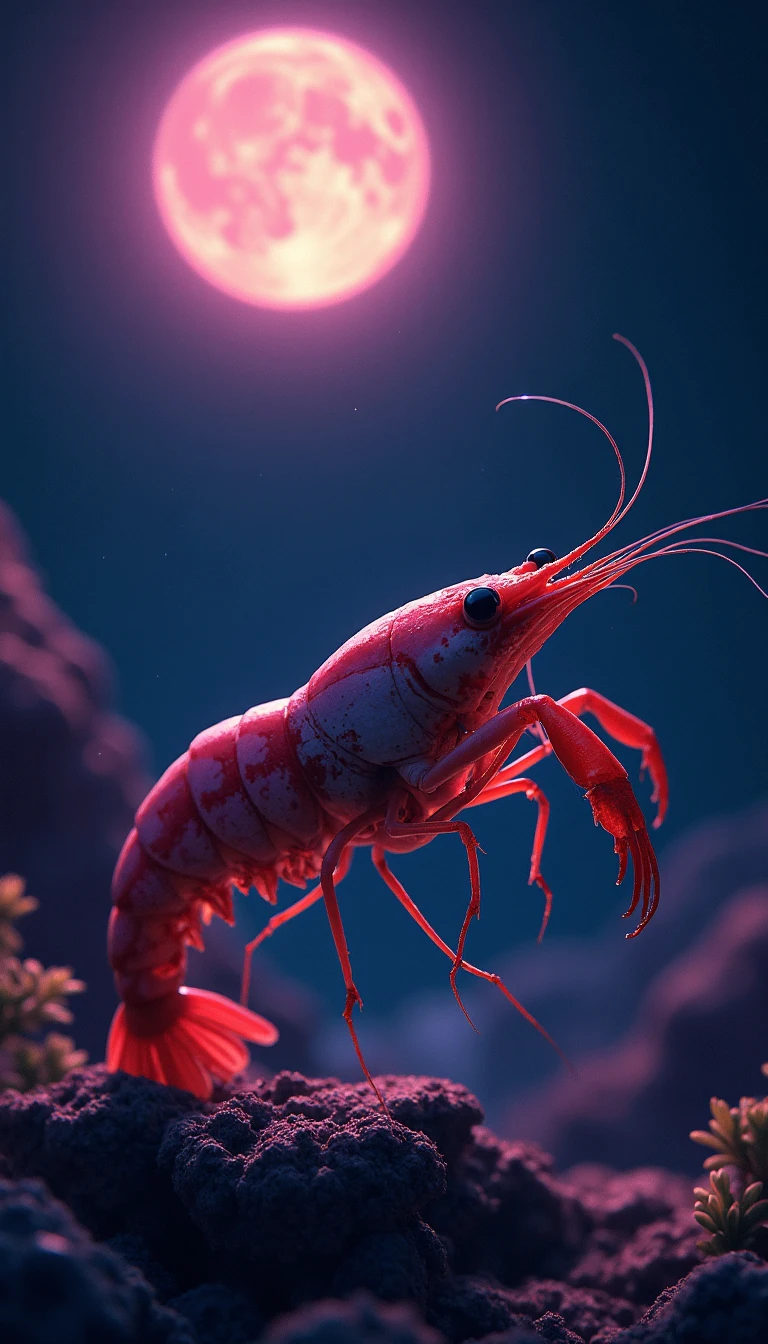
In short: The northern shrimp is a master of transformation, beginning life as a male before switching sex to female. Despite this biological flexibility, the species has faced a total collapse in the Gulf of Maine. With commercial fishing banned since 2014, scientists are racing to understand why these cold-water crustaceans remain depleted.
Pandalus borealis, known as the northern shrimp, is a cold-water crustacean that thrives in deep, muddy basins. These shrimp are protandrous hermaphrodites, meaning they mature as males at roughly two and a half years old before transitioning into females at about three and a half. This life cycle is tightly linked to temperature; they prefer frigid environments and migrate inshore during late fall and winter to release their eggs in colder coastal waters.
The collapse of the Gulf of Maine stock is a complex ecological puzzle. While the fishery saw high landings in the late 1960s and early 1970s, it has been under a moratorium since 2014 due to unprecedented low population levels. Researchers point to a combination of factors, most notably the warming of the western Gulf of Maine. As ocean temperatures rise, the environment becomes increasingly inhospitable for the species, hindering recruitment and growth. Furthermore, an increase in natural predators—such as spiny dogfish, redfish, and silver hake—has likely exacerbated the decline.
Beyond their role as a food source for larger fish, these shrimp are vital to the marine ecosystem and have unique industrial uses. Their carapaces are a source of chitosan, a chemical used in everything from wound treatment to soil improvement, and they provide an enzyme called shrimp alkaline phosphatase used in molecular biology. Because their population size fluctuates significantly year to year, management remains difficult. Even with a total ban on directed fishing, the stock has yet to recover, leaving scientists to monitor the population through joint state-federal surveys as they wait for more favorable spawning conditions.
Opens the Intellect+ feed with this card first. Swipe up for the next one.
Sources
- Summary by Intellect · source: Atlantic Northern Shrimp
- Also: Pandalus borealis
To cite this card, link to https://intellectplus.co.uk/app/nature-pandalus-borealis.
How we source, check and correct cards: Editorial standards.
General information, not professional advice. Spotted an error? Flag the card or see corrections and complaints.
Intellect Plus is a visual educational discovery platform for exploring fascinating facts and ideas. Brain Food, Not Brain Rot. What is Intellect Plus?
Related
More in Arthropods · More in Nature · Latest · A–Z · All topics
