The lost remains of Peking Man may lie beneath a modern asphalt parking lot
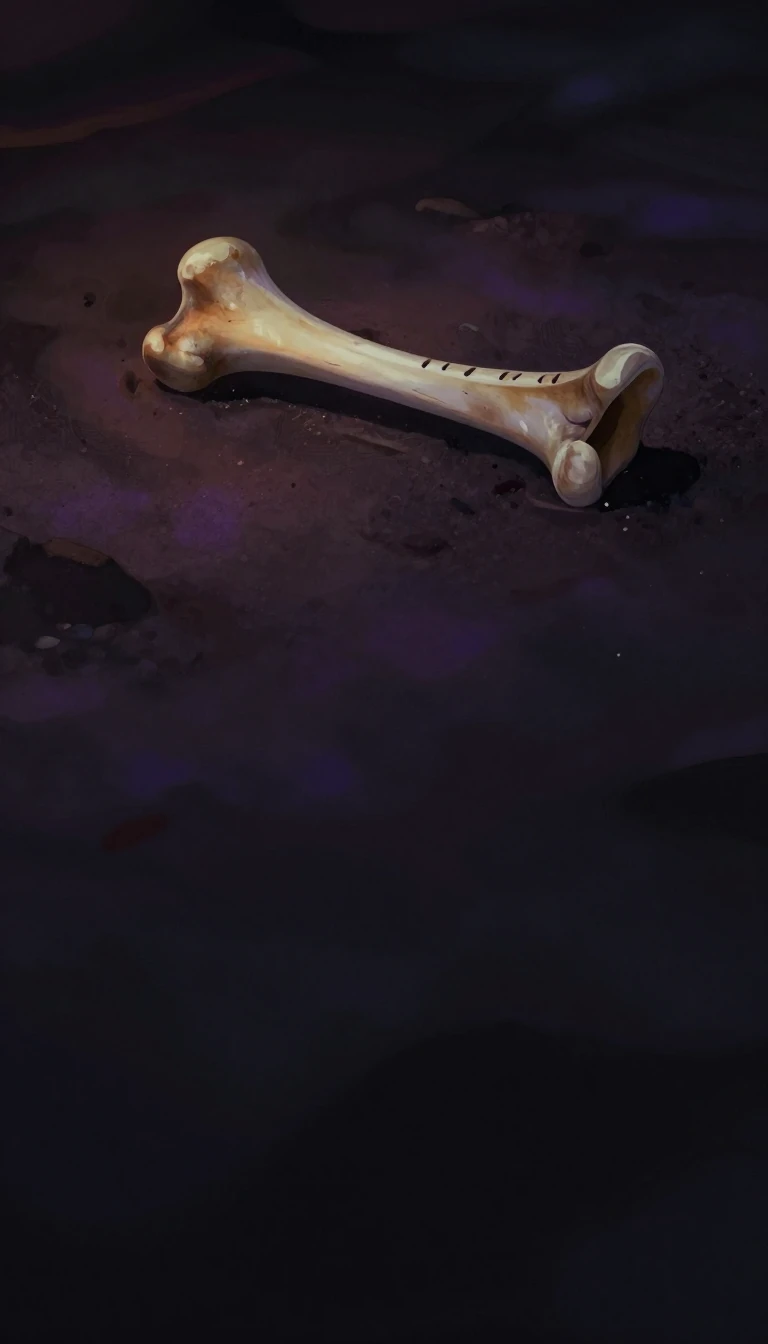
In short: In the 1920s, the discovery of Peking Man fossils at Zhoukoudian shattered existing timelines of human history. Yet, during the chaos of World War II, these priceless specimens vanished. Decades later, a veteran's account suggests they might be buried under an industrial site in the Chinese port city of Qinhuangdao.
The Zhoukoudian site, located about 42 kilometers southwest of Beijing, has yielded an extraordinary record of human evolution. Excavations beginning in the 1920s uncovered remains of Homo erectus pekinensis, who inhabited the region during the Middle Pleistocene, roughly 700,000 to 200,000 years ago. Alongside these fossils, researchers found evidence of fire usage, including ash deposits and burnt bones, as well as over 100,000 stone tools. This site fundamentally altered the scientific understanding of human chronology, proving that early hominid communities thrived in the Asian continent long before previously accepted models suggested.
The mystery of the missing fossils began during World War II. In 1937, the Sino-Japanese War forced a halt to excavations, and the collected remains of Sinanthropus pekinensis were packed for transport to the United States for safekeeping. They never arrived. A potential breakthrough occurred in 2010 after paleoanthropologist Lee Berger received an email from the son of a former U.S. Marine. The veteran claimed that while stationed in Qinhuangdao in 1947, he had discovered a box of bones while digging foxholes during the Chinese Civil War, only to bury them again before evacuating the area.
Berger and a team from the Institute for Vertebrate Paleontology and Paleoanthropology in Beijing investigated the site, which is now an industrial hub. They identified a large parking lot as the most probable location of the burial. While the team did not excavate the area, local officials have agreed to monitor future redevelopment projects at the site. Although the original fossils remain lost, the Zhoukoudian site itself continues to provide vital data, with ongoing conservation efforts ensuring that the remaining localities and their scientific value are preserved for future research.
Opens the Intellect+ feed with this card first. Swipe up for the next one.
Sources
- Summary by Intellect · source: whc.unesco.org — Peking Man Site at Zhoukoudian
- Also: Mystery of the Lost Peking Man Fossils Solved?
- Also: Peking Man
To cite this card, link to https://intellectplus.co.uk/app/nature-peking-man.
How we source, check and correct cards: Editorial standards.
General information, not professional advice. Spotted an error? Flag the card or see corrections and complaints.
Intellect Plus is a visual educational discovery platform for exploring fascinating facts and ideas. Brain Food, Not Brain Rot. What is Intellect Plus?
Related
More in Vertebrates · More in Nature · Latest · A–Z · All topics
