Pterodactyls were not dinosaurs, but they were the first vertebrates to master flight
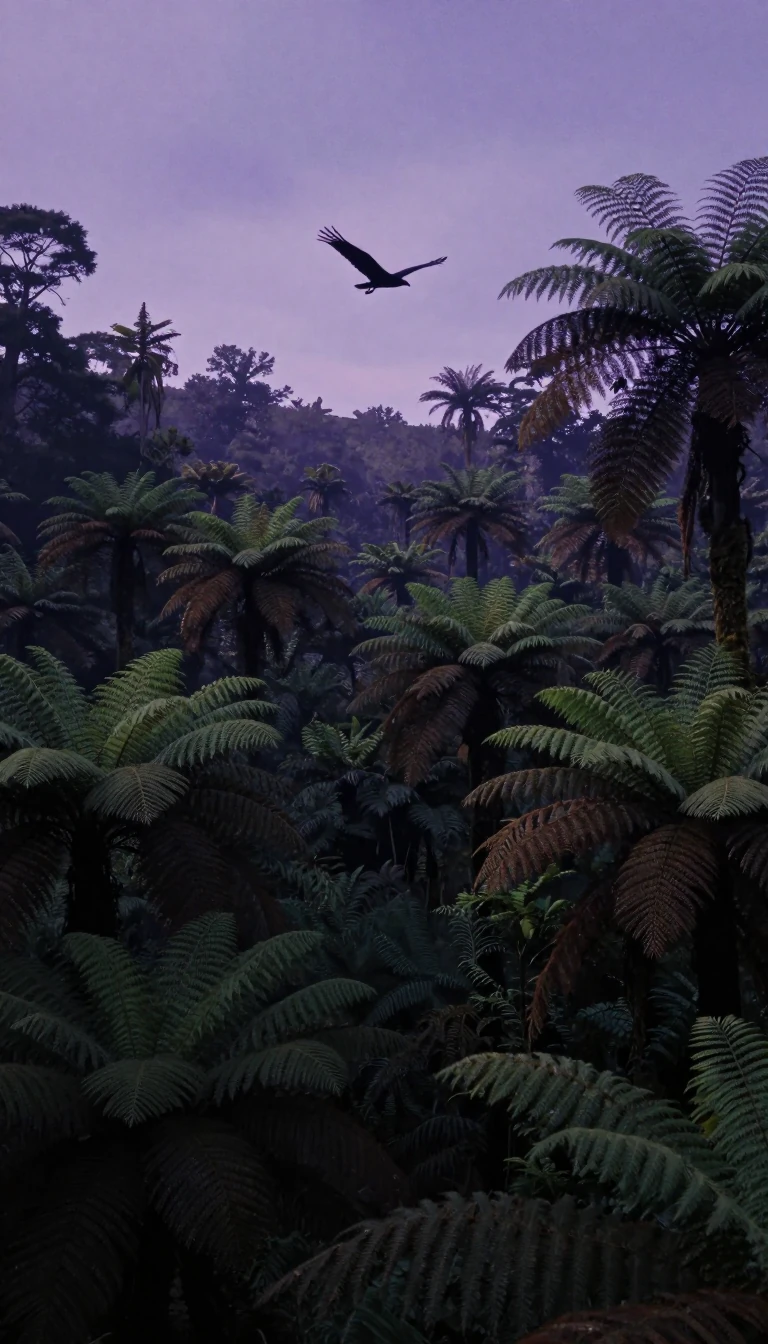
In short: Long before birds took to the skies, pterosaurs dominated the Mesozoic era. These archosaurs were not dinosaurs, but rather a distinct group of flying reptiles. With wings formed by a membrane stretched across an elongated fourth finger, they evolved into the largest flying animals to have ever existed.
Pterosaurs flourished throughout the Mesozoic Era, from 252.2 million to 66 million years ago. While often confused with dinosaurs, both groups are archosaurs, or ruling reptiles. Pterosaurs were the first vertebrates to achieve flight, utilizing a wing structure fundamentally different from birds. Instead of feathers, they relied on a skin membrane supported by a single, hyper-elongated fourth finger. This wing was reinforced by internal keratinous fibers, providing the strength and maneuverability needed for aerial life. Their bodies were light, featuring hollow, thin-walled bones that minimized weight while maintaining structural integrity.
The genus Pterodactylus, a member of the Pterodactyloidea clade, provides a window into this evolutionary history. First described by Cosimo Alessandro Collini in 1784 from fossils found in Bavaria’s Solnhofen limestone, the creature initially baffled scientists. Collini could not identify the animal, even speculating it might be a sea creature. It was not until Johann Hermann suggested the fourth-finger wing support in 1800 that the animal's true nature began to emerge. Georges Cuvier, who later named the genus, correctly identified it as a reptile, despite early theories that it was a bird or an aquatic mammal.
Pterodactylus lived during the Late Jurassic, roughly 150.8 to 148.5 million years ago. Unlike later, massive pterosaurs like Pteranodon, which reached wingspans of 7 meters, Pterodactylus was a small generalist carnivore. It existed alongside other pterosaurs like Rhamphorhynchus, a basal form characterized by a long tail and teeth. The discovery of fossils like Darwinopterus, which displayed a mix of primitive and advanced features, supports the theory of modular evolution. This concept suggests that natural selection can act on specific body parts, such as the head and neck, independently of the rest of the skeleton, allowing for the rapid transition from basal forms to the specialized pterodactyloids that dominated the Cretaceous skies.
Opens the Intellect+ feed with this card first. Swipe up for the next one.
Sources
- Summary by Intellect · source: Pterodactyl | Description, Size, Wingspan, Skeleton, & Facts | Britannica
- Also: Pterodactylus
To cite this card, link to https://intellectplus.co.uk/app/nature-pterodactylus.
How we source, check and correct cards: Editorial standards.
General information, not professional advice. Spotted an error? Flag the card or see corrections and complaints.
Intellect Plus is a visual educational discovery platform for exploring fascinating facts and ideas. Brain Food, Not Brain Rot. What is Intellect Plus?
Related
More in Vertebrates · More in Nature · Latest · A–Z · All topics
