Why these tiny desert fish are the fastest evolving vertebrates on the planet
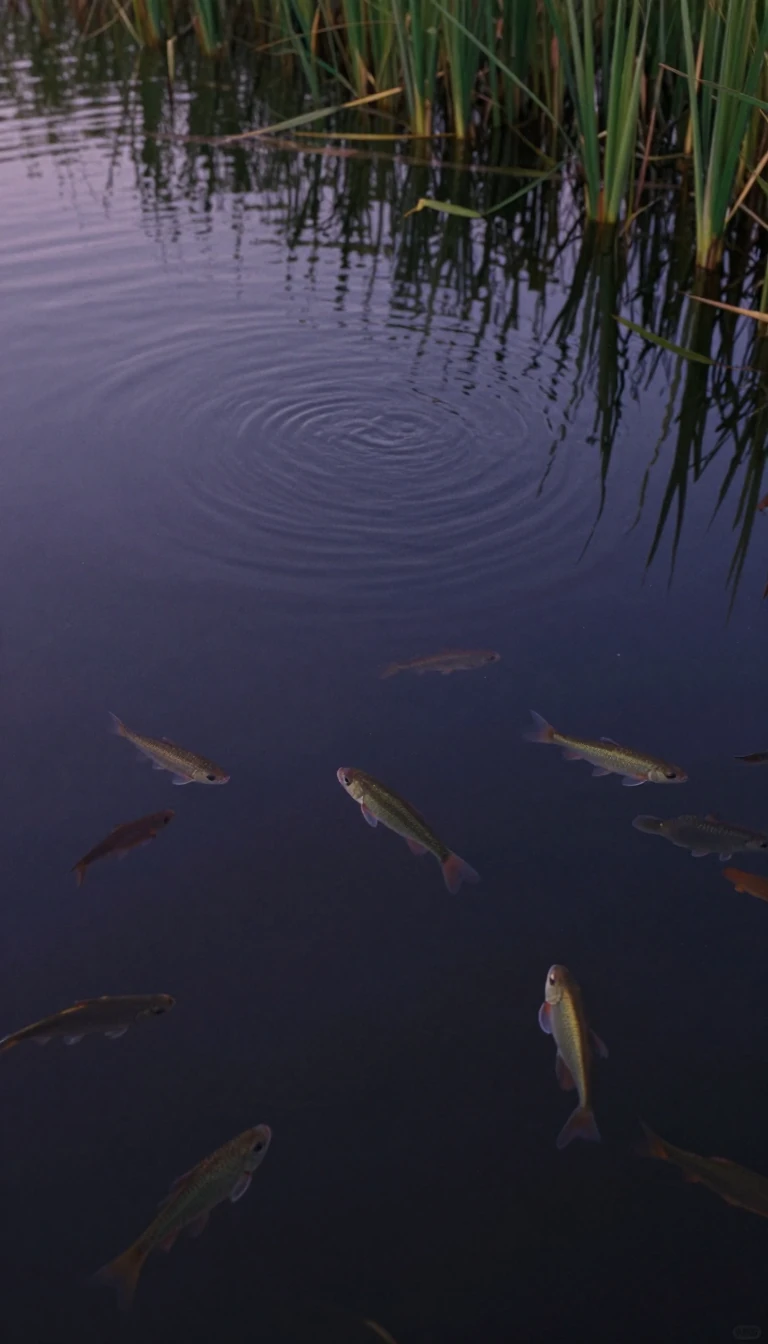
In short: Pupfish are masters of extreme survival, thriving in isolated, harsh environments from boiling desert pools to salty lakes. Their name suggests playful puppies, but their behavior is fiercely territorial. Beyond their charm, these small fish exhibit a rate of evolutionary diversification that outpaces any other documented fish species.
Pupfish belong to the family Cyprinodontidae, a group of ray-finned fish found primarily across the Americas and the Caribbean. Despite their name, they are not related to the carp family. Instead, they are defined by their resilience in isolated habitats, such as the scorching waters of Death Valley or the saline lakes of San Salvador Island. Their common name, coined by ichthyologist Carl L. Hubbs, stems from a misunderstanding of their behavior; what appears to be playful circling is actually aggressive territorial posturing by males.
The evolutionary story of the pupfish is one of rapid adaptation. On San Salvador Island in the Bahamas, pupfish have diversified into multiple species by exploiting distinct ecological niches, such as specialized diets of snails or even the scales of other fish. This morphological diversification occurs 50 to 130 times faster than in other pupfish species, marking the fastest rate ever documented in fish. Similarly, the pupfish of Death Valley have evolved 5 to 10 times faster than average, a process triggered by the drying of the massive glacial Lake Manly, which once spanned over 620 square miles roughly 128,000 to 185,000 years ago.
This extreme specialization makes them vulnerable. Many species are now endangered or extinct, often due to habitat loss or the introduction of invasive species like the African tilapia, which wiped out five species in Mexico's Lake Chichancanab. The Devils Hole pupfish, one of the world's rarest fish, persists in a single Nevada pool with a population that has fluctuated between 37 and 400 individuals since 2005. These fish endure temperatures as high as 114 °F, proving that while their rapid evolution allows them to conquer hostile environments, it also binds them to fragile, singular homes.
Opens the Intellect+ feed with this card first. Swipe up for the next one.
Sources
- Summary by Intellect · source: Pupfish
To cite this card, link to https://intellectplus.co.uk/app/nature-pupfish.
How we source, check and correct cards: Editorial standards.
General information, not professional advice. Spotted an error? Flag the card or see corrections and complaints.
Intellect Plus is a visual educational discovery platform for exploring fascinating facts and ideas. Brain Food, Not Brain Rot. What is Intellect Plus?
Related
More in Vertebrates · More in Nature · Latest · A–Z · All topics
