Why the humble zebrafish is a secret powerhouse of modern evolutionary science
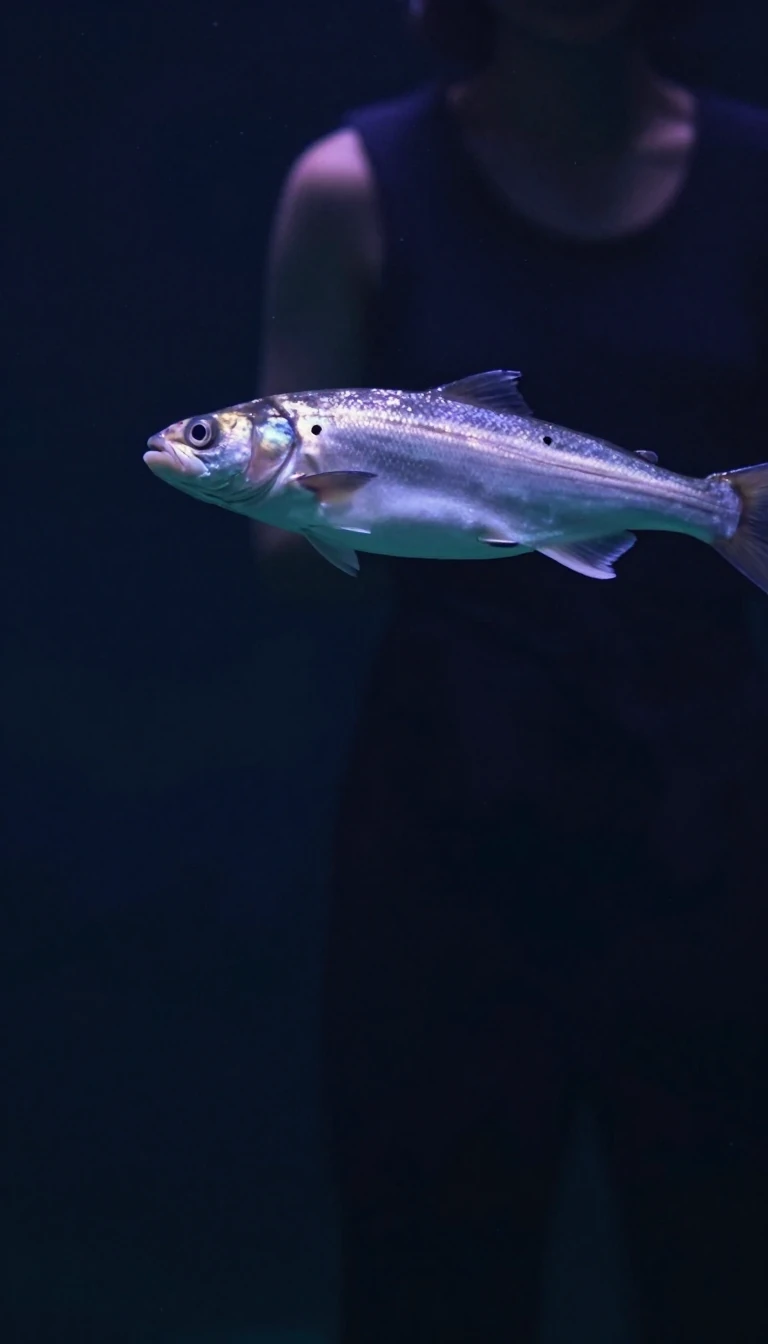
In short: Danionins, a group of small freshwater fish, are far more than aquarium staples. By revealing the molecular basis of phenotypic divergence, these tiny vertebrates have become essential model systems. From their hybrid origins to their extreme miniaturization, they provide scientists with a unique lens into the mechanics of evolutionary innovation.
The danionin group, primarily native to the shallow waters of South and Southeast Asia, encompasses a diverse array of species within the genera Danio, Devario, and Danionella. While often recognized by hobbyists for their vibrant colors and active swimming patterns, these fish have become indispensable to researchers. Their utility stems from their ability to serve as powerful model systems for functional comparative genetics and genomics, allowing scientists to map the molecular and cellular foundations of complex evolutionary traits.
The evolutionary history of these fish is surprisingly intricate. Phylogenomic analysis has revealed that the zebrafish, Danio rerio, is not a simple lineage but a hybrid product of ancient gene flow between distinct Danio groups. This complexity extends to their physical form; some species, such as Danionella cerebrum, have undergone independent miniaturization, a process accompanied by convergent genome streamlining. These tiny vertebrates have even developed specialized biomechanical mechanisms for ultrafast sound production, offering researchers a window into how extreme physiological adaptations evolve.
Despite their scientific importance, the classification of danionins has been a subject of persistent debate and revision throughout the 20th and 21st centuries. Early attempts to organize these fish into genera like Brachydanio and Daniops were eventually superseded as phylogenetic research exposed these groups as paraphyletic. Today, ongoing genomic studies continue to refine our understanding of their relationships, highlighting how structural variation and transposable elements drive their diversification. As researchers continue to sequence the genomes of various strains and species, the danionins remain at the forefront of efforts to decode the genetic architecture of vertebrate life.
Opens the Intellect+ feed with this card first. Swipe up for the next one.
Sources
- Summary by Intellect · source: Zebrafish relatives as models for functional comparative genetics and genomics - Nature Reviews Genetics
- Also: Danionin
To cite this card, link to https://intellectplus.co.uk/app/nature-danionin.
How we source, check and correct cards: Editorial standards.
General information, not professional advice. Spotted an error? Flag the card or see corrections and complaints.
Intellect Plus is a visual educational discovery platform for exploring fascinating facts and ideas. Brain Food, Not Brain Rot. What is Intellect Plus?
Related
More in Vertebrates · More in Nature · Latest · A–Z · All topics
