Why do these reclusive red-and-white shrimp carry a foldable, movable beak?
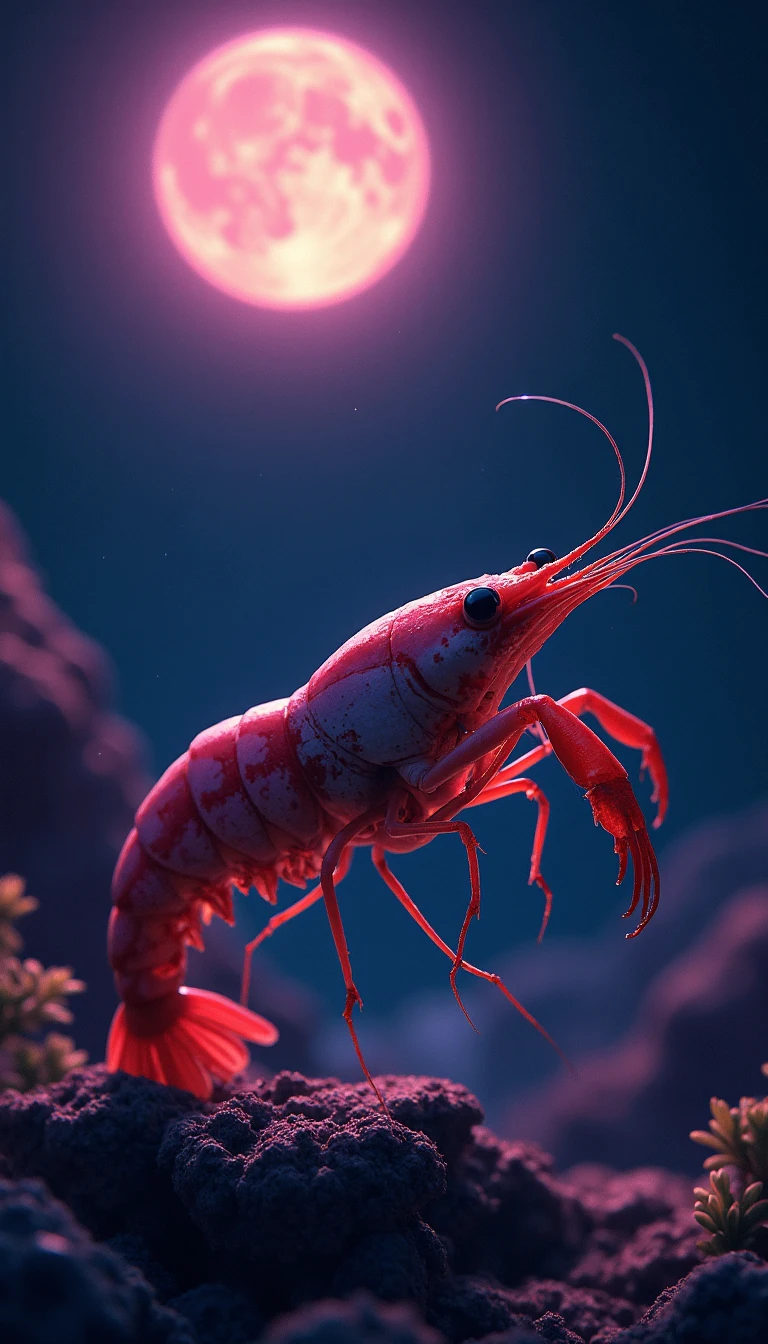
In short: The hinge-beak shrimp, or Rhynchocinetidae, possesses a unique, upward-hinged rostrum that functions like a movable beak. While their exact biological purpose remains a mystery, this articulated feature, combined with a spiny exterior, likely helps these small crustaceans anchor themselves firmly into rocky crevices to evade hungry predators.
The family Rhynchocinetidae comprises two distinct genera: Cinetorhynchus and Rhynchocinetes. Historically, researchers grouped all these shrimp under a single genus, but in 1995, the scientist Holthuis reclassified the subgenus Cinetorhynchus as a separate genus. This distinction relies on specific physical traits; for instance, Rhynchocinetes species feature two sharp teeth on the carapace and lack spines on the fourth and fifth abdominal segments, whereas Cinetorhynchus displays three teeth and possesses spines on those specific abdominal margins.
These crustaceans are known for their striking red-and-white patterns and their reclusive, nocturnal habits. During the day, they retreat into the safety of coral or rocky reefs, emerging only under the cover of darkness to forage. Observations of Cinetorhynchus rigens in Bermuda suggest a varied diet, as their waste contains traces of algae, sponge spicules, and fragments of mollusc shells. Despite their presence in tropical and temperate waters ranging from the littoral zone to the continental shelf, the broader biology of the family remains largely unexplored.
Sexual dimorphism is particularly pronounced in this group. Older males develop disproportionately large first chelipeds and third maxillipeds compared to their female counterparts or younger males. Interestingly, the tips of their chelipeds are equipped with a bundle of spines that can retract to create a basket-like cage. Whether this structure serves a specialized feeding function or plays a role in social signaling is still a matter of scientific speculation, as few studies have examined these animals in their natural habitat.
Opens the Intellect+ feed with this card first. Swipe up for the next one.
Sources
- Summary by Intellect · source: Rhynchocinetidae
To cite this card, link to https://intellectplus.co.uk/app/nature-rhynchocinetidae.
How we source, check and correct cards: Editorial standards.
General information, not professional advice. Spotted an error? Flag the card or see corrections and complaints.
Intellect Plus is a visual educational discovery platform for exploring fascinating facts and ideas. Brain Food, Not Brain Rot. What is Intellect Plus?
Related
More in Arthropods · More in Nature · Latest · A–Z · All topics
