Rifts are the Earth's way of pulling itself apart to create new landscapes.
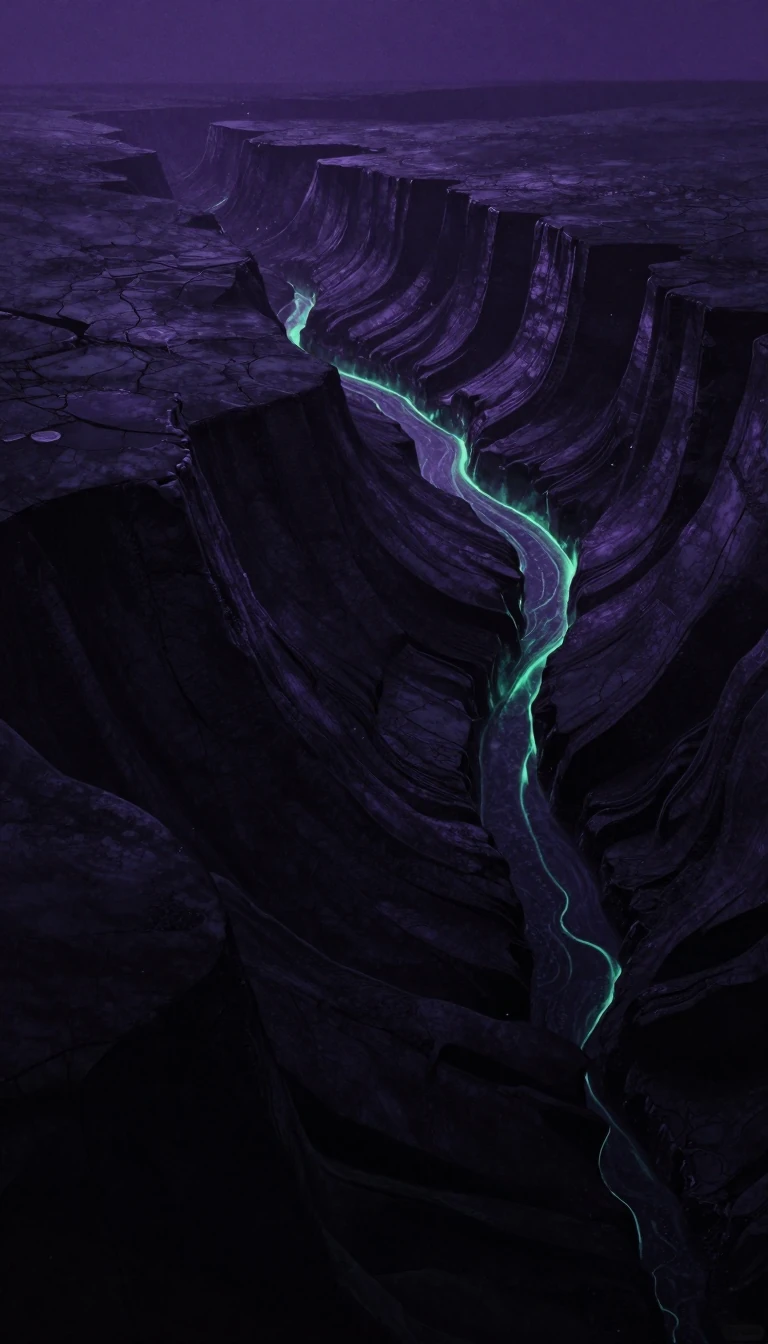
In short: A rift is a linear zone where the lithosphere stretches and breaks, forming deep valleys or even new oceans. These geological scars are not just tectonic curiosities; they are the primary engines behind the creation of our most significant mineral and hydrocarbon deposits, shaping the planet's surface and its resources.
At its core, a rift is a zone of extensional tectonics where the Earth's lithosphere is pulled apart. This process often creates a central depression known as a graben or half-graben, flanked by elevated shoulders. While some rifts remain on land as valleys—like the Baikal Rift, the deepest continental rift on Earth—others mark the birth of new oceanic basins. When rifting is successful, it leads to seafloor spreading along mid-ocean ridges, fundamentally altering the planet's crustal architecture.
Rift evolution is a complex, multi-stage journey. It typically begins with passive rifting, where horizontal stresses thin the lithosphere without significant magmatic activity. As the process matures, fault segments link together, causing subsidence and the rise of rift shoulders. In the climax of this activity, the mantle lithosphere thins, allowing the asthenosphere to rise. This brings intense heat to the crust, triggering extreme metamorphism and, in some cases, the formation of volcanic margins. Not all rifts succeed; some fail to reach the point of breakup, leaving behind aulacogens—remnants of a tectonic process that stalled.
The economic impact of these zones is profound. Continental rifts are essential reservoirs for natural resources, hosting roughly 30 percent of the world's giant oil and gas fields. In 1999, estimates suggested that rifts held 200 billion barrels of recoverable oil. Beyond hydrocarbons, these settings are prime locations for SedEx mineral deposits, which form when hydrothermal fluids are expelled at the seabed. Whether through the creation of vast sedimentary basins or the exposure of deep mantle rocks, rifts remain one of the most significant geological mechanisms for concentrating the materials that define modern industry.
Opens the Intellect+ feed with this card first. Swipe up for the next one.
Sources
- Summary by Intellect · source: Rift
To cite this card, link to https://intellectplus.co.uk/app/nature-rift.
How we source, check and correct cards: Editorial standards.
General information, not professional advice. Spotted an error? Flag the card or see corrections and complaints.
Intellect Plus is a visual educational discovery platform for exploring fascinating facts and ideas. Brain Food, Not Brain Rot. What is Intellect Plus?
Related
More in Geology · More in Nature · Latest · A–Z · All topics
