Rift valleys are the scars left behind as tectonic plates tear the world apart.
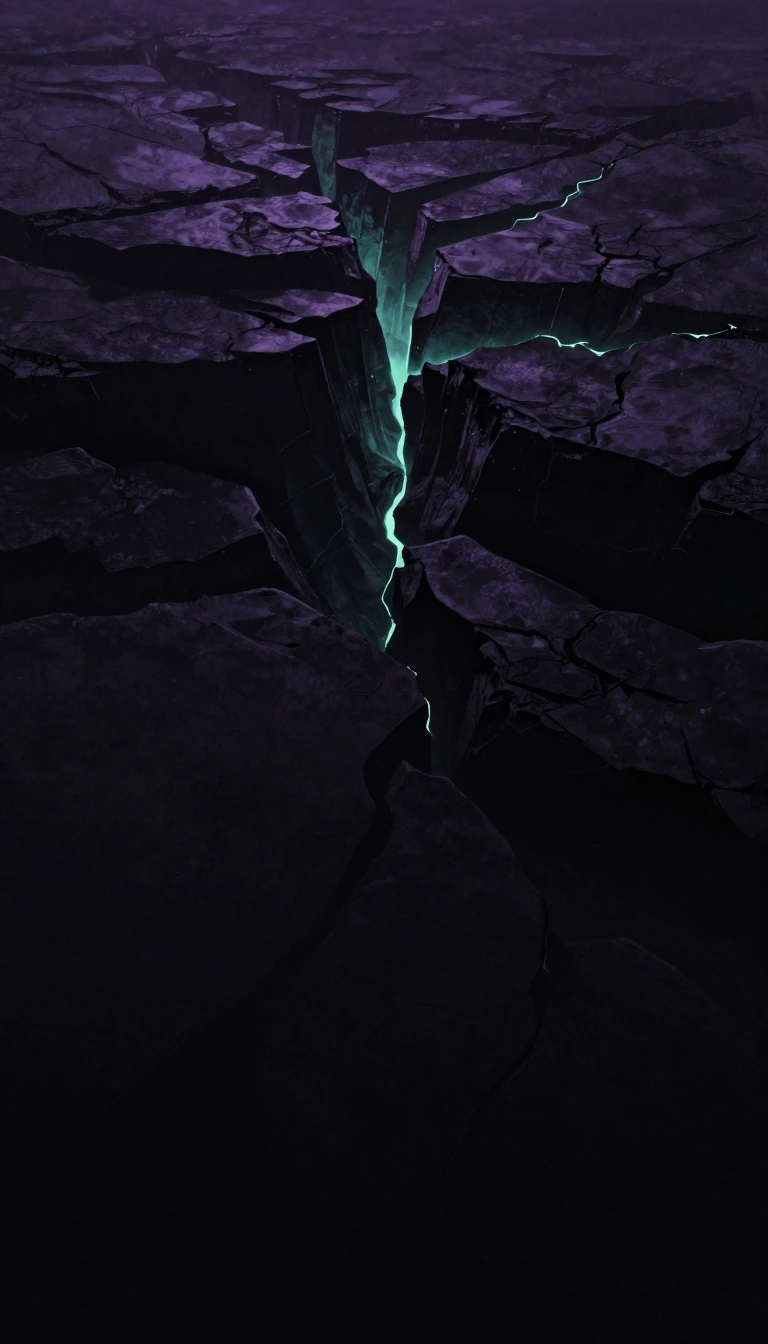
In short: A rift valley is a linear lowland formed when the lithosphere is pulled apart by extensional tectonics. These geological wounds can appear anywhere from the ocean floor to high mountain plateaus. When they deepen, they often become cradles for some of the largest and deepest lakes on our planet.
At their core, rift valleys are the physical manifestation of a planet in motion. When tectonic forces pull the lithosphere apart, the crust stretches and subsides, creating a linear depression. While erosion can deepen these features over time, the primary driver is the movement of tectonic plates. In many continental settings, these rifts represent the beginning of a breakup, where a landmass is slowly being torn into new, separate plates. If this process continues unabated, a continental rift will eventually evolve into an oceanic rift, similar to the mid-ocean ridge systems found globally.
Not all rifts are created by simple plate separation. Some are born from the complex mechanics of strike-slip faults. When these faults encounter bends or discontinuities that align with their direction of movement, the resulting stress causes the crust to stretch and subside. This mechanism can occur on a small scale, creating localized features like sag ponds, or on a larger scale, such as the rift associated with the Dead Sea. Other rifts are remnants of failed arms of triple junctions, where the crustal tension was insufficient to fully split the plate.
The impact of these valleys extends far beyond geology. Because they create deep, enclosed basins, they are often filled with sedimentary deposits and water, forming massive rift lakes. Lake Baikal in Siberia, for instance, sits within an active rift and holds 20% of the Earth's liquid freshwater. The phenomenon is not unique to Earth; planetary geologists have identified giant rift systems across the solar system, from the 4,000 km long Valles Marineris on Mars to the chasmata observed on moons like Titania and Ariel. These features serve as a reminder that the forces shaping our world are universal, constantly rearranging the surfaces of planets and satellites alike.
Opens the Intellect+ feed with this card first. Swipe up for the next one.
Sources
- Summary by Intellect · source: Rift valley
- Also: iNaturalist — Rift Valley Sage (Salvia merjamie) · CC BY-SA 4.0 (Wikipedia summary)
To cite this card, link to https://intellectplus.co.uk/app/nature-rift-valley.
How we source, check and correct cards: Editorial standards.
General information, not professional advice. Spotted an error? Flag the card or see corrections and complaints.
Intellect Plus is a visual educational discovery platform for exploring fascinating facts and ideas. Brain Food, Not Brain Rot. What is Intellect Plus?
Related
More in Geomorphology · More in Nature · Latest · A–Z · All topics
