What defines a river island, and why do some geologists argue about their size?
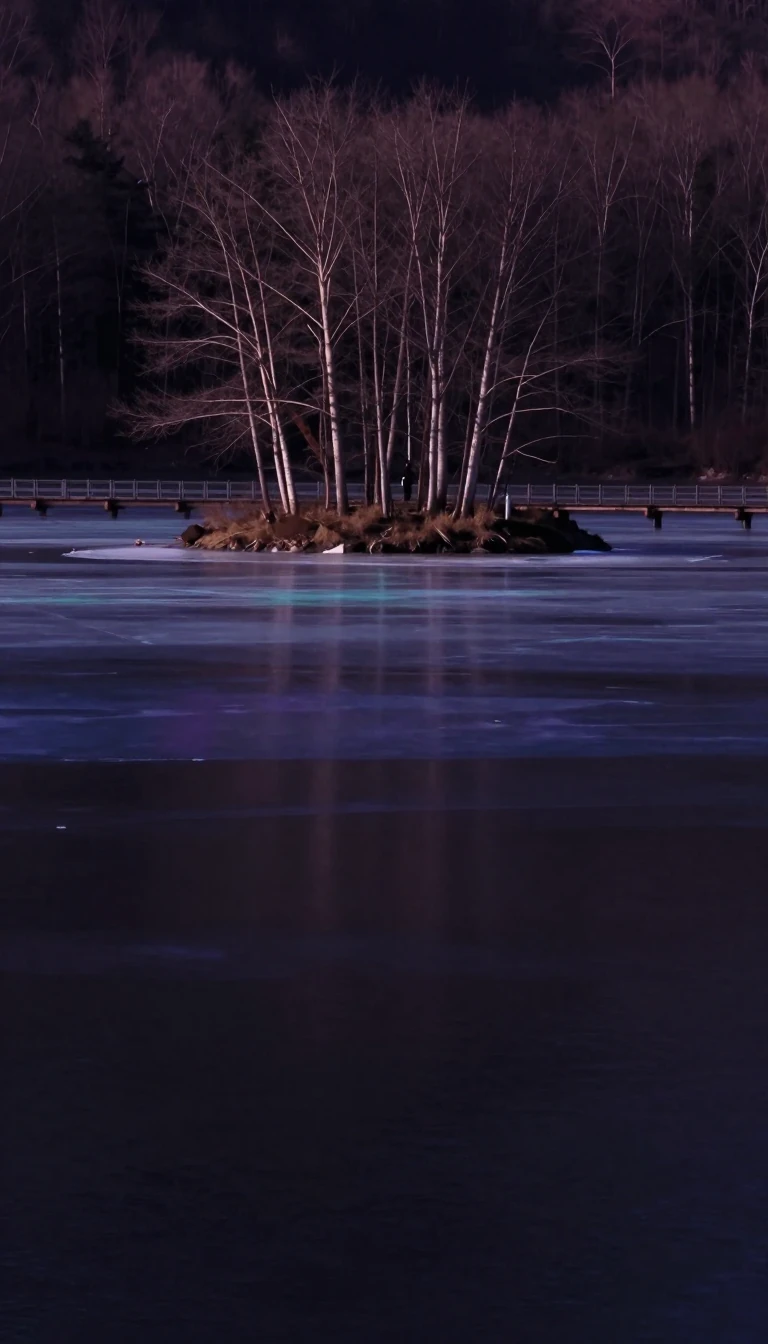
In short: A river island is more than just land surrounded by water; it is a dynamic feature shaped by the constant tug-of-war between erosion and deposition. From tiny, tree-covered towheads to massive landmasses spanning thousands of square kilometers, these islands reveal the complex, ever-shifting nature of the world's great river systems.
River islands emerge when a river's course shifts, often driven by the interaction with tributaries or the opposing forces of erosion and sediment deposition. These landmasses often begin as simple shoals or mudflats. When vegetation like willows, palms, or reeds takes root, they act as natural barriers that trap sediment and force the water to flow around them, eventually building the shoal into a stable island. While some islands are small, others can grow to immense proportions, depending on the width and power of the river.
The classification of these islands can be surprisingly contentious. For instance, Majuli in India's Brahmaputra River is widely recognized as the world's largest inhabited riverine island, covering 880 square kilometers. However, some sources point to Bananal Island in Brazil, which spans 19,162 square kilometers, as the true record holder. The debate persists because some geologists argue that Bananal Island is actually a landmass formed between two distributaries of the Araguaia River, rather than a traditional riverine island. Despite this, it remains technically an island as it never touches the mainland.
At the other end of the spectrum, river islands can be remarkably small. Umananda Island, also in the Brahmaputra, is a contender for the smallest permanently inhabited island at just 0.02 square kilometers. In more controlled environments, such as the canalized Thames or Seine, human intervention has allowed for the development of one-home islands. By using barrages to manage water levels and reduce erosion, these structures remain stable despite the risks of flooding. Whether natural or reinforced, these islands serve as unique markers of the fluid, transformative power of rivers across the globe.
Opens the Intellect+ feed with this card first. Swipe up for the next one.
Sources
- Summary by Intellect · source: River island
To cite this card, link to https://intellectplus.co.uk/app/nature-river-island.
How we source, check and correct cards: Editorial standards.
General information, not professional advice. Spotted an error? Flag the card or see corrections and complaints.
Intellect Plus is a visual educational discovery platform for exploring fascinating facts and ideas. Brain Food, Not Brain Rot. What is Intellect Plus?
Related
More in Geomorphology · More in Nature · Latest · A–Z · All topics
