Why the world's greatest cities are built where rivers meet the sea
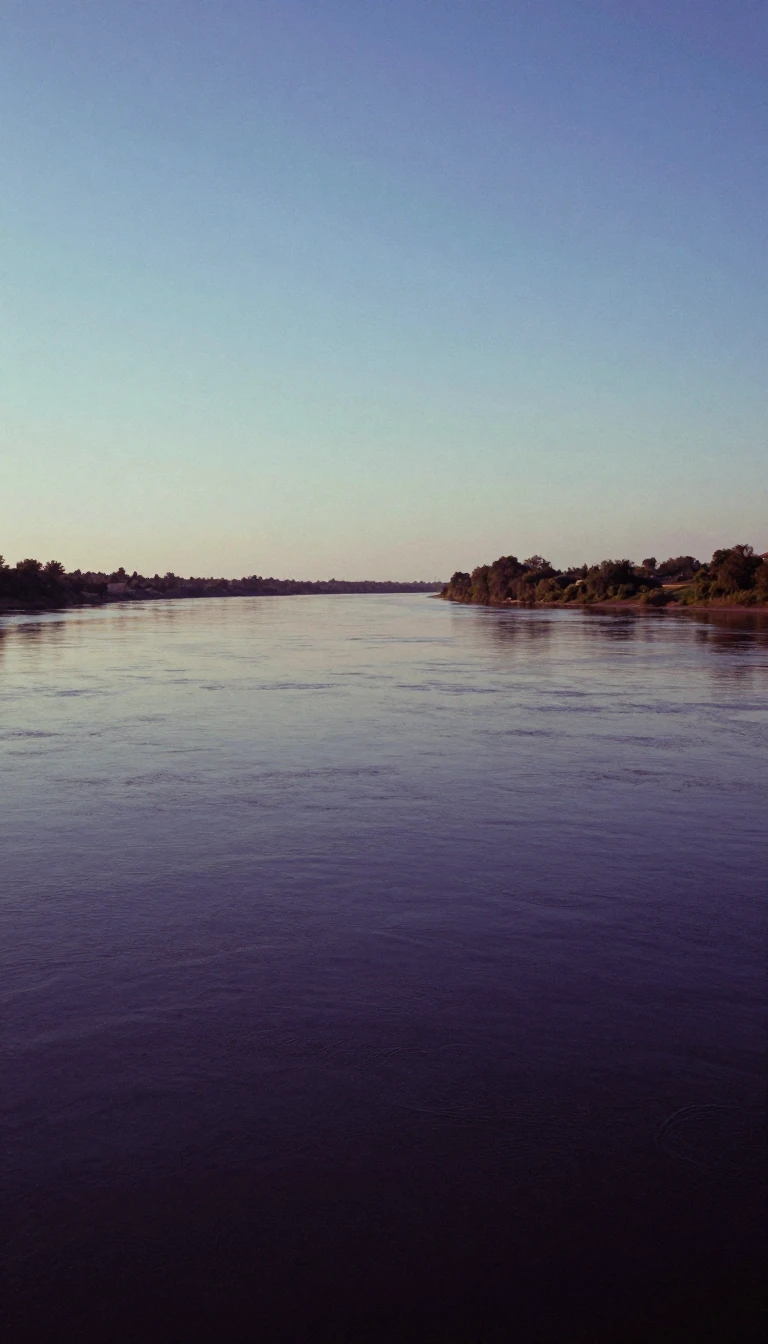
In short: A river mouth is far more than a simple exit point for water. It is a dynamic geological crossroads where sediment settles, landforms emerge, and human history takes root. By understanding the complex physics of density and flow, we can see why these fragile coastal zones define our civilization.
At the point where a river meets a larger body of water, such as an ocean or lake, the current slows, forcing the river to shed its sediment load. This deposition creates diverse landforms like deltas, sand bars, and spits. These features are not merely aesthetic; they fundamentally reshape the local geomorphology and create sheltered, nutrient-rich environments that support sensitive ecosystems. However, human intervention, particularly the damming of rivers, can disrupt this natural cycle by starving the mouth of essential sand and nutrients.
The behavior of water at these junctions is governed by complex physical interactions. When river water enters a receiving body, its path is determined by the rotation of the Earth, tidal forces, and the relative density of the two water masses. If the river water is denser than the surface of the receiving body, it may plunge beneath the surface as an underflow or interflow. Conversely, fresh river water entering the sea is typically lighter, causing it to float across the surface as an overflow, while simultaneously undergoing a process of diffusion.
These strategic locations have historically been magnets for human settlement, offering natural harbors that facilitate trade and travel. The linguistic footprint of this preference is clear in the United Kingdom, where names like Plymouth, Sidmouth, and Great Yarmouth explicitly denote their position at the mouth of a river. Similarly, the Celtic prefixes Aber and Inver appear in numerous place names, such as Aberdeen and Inverness, marking the same geographical significance. Today, these coastal cities face a dual threat: rising sea levels driven by climate change and the loss of protective sediment, which leaves them increasingly vulnerable to flooding.
Opens the Intellect+ feed with this card first. Swipe up for the next one.
Sources
- Summary by Intellect · source: River mouth
To cite this card, link to https://intellectplus.co.uk/app/nature-river-mouth.
How we source, check and correct cards: Editorial standards.
General information, not professional advice. Spotted an error? Flag the card or see corrections and complaints.
Intellect Plus is a visual educational discovery platform for exploring fascinating facts and ideas. Brain Food, Not Brain Rot. What is Intellect Plus?
Related
More in Water · More in Nature · Latest · A–Z · All topics
