Why rockslides are the most dangerous form of mass-wasting on Earth
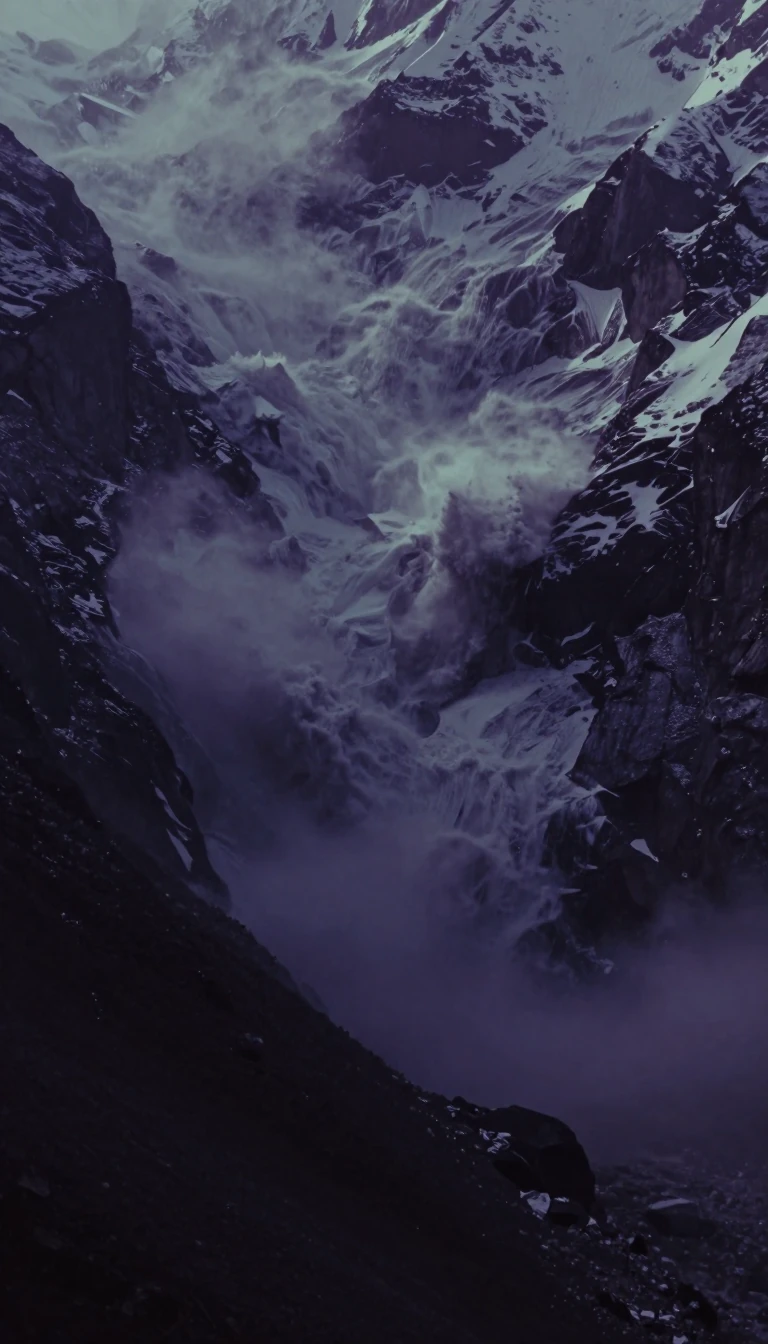
In short: Unlike common landslides involving loose dirt, a rockslide is a sudden, high-speed release of solid bedrock. These events move along uniform planes of weakness, often behaving like snow avalanches. Because of their immense weight and velocity, they pose a severe, growing threat to infrastructure and life in steep, mountainous regions.
A rockslide is a specific type of translational mass-wasting event where solid rock collapses en masse along a planar surface. Unlike slumps or flows, which involve loose sediment or rotational movement, rockslides occur when gravitational force overcomes the shear strength of the slope. This failure typically happens along a uniform plane of weakness, allowing the bedrock to slide rapidly downhill. As these rocks tumble, they often break apart and dislodge additional material, creating a destructive force that can smash everything in its path.
The primary drivers of these events are gravitational pressure combined with erosional influences. Water is perhaps the most critical geologic agent in this process; it adds significant weight to the slope and infiltrates pores, pushing grains apart and reducing the material's resistance to movement. While natural triggers like earthquakes are common, human activities such as excavation can also alter hill geometry and destabilize slopes. In regions like Idaho’s Salmon River Canyon, where elevation changes can exceed 5,000 feet, the steepness of the terrain often dictates the speed and potential devastation of a slide.
As global populations expand into rural, mountainous areas, the risk posed by rockslides has become a pressing concern for engineers and geologists. Modern detection relies on advanced earth observation tools, including sequential InSAR and LiDAR data, which allow for regional monitoring of slope movement. Once a hazard is identified, engineers employ various mitigation techniques to prevent failure. These range from installing corrosion-resistant mesh to trap debris, to using steel tendons and rock bolts to reinforce the slope's interior. By transferring external loads into the mountain's core, these methods aim to neutralize the instability of the landscape.
Opens the Intellect+ feed with this card first. Swipe up for the next one.
Sources
- Summary by Intellect · source: Rockslide
- Also: Rockslide | geology | Britannica
To cite this card, link to https://intellectplus.co.uk/app/nature-rockslide.
How we source, check and correct cards: Editorial standards.
General information, not professional advice. Spotted an error? Flag the card or see corrections and complaints.
Intellect Plus is a visual educational discovery platform for exploring fascinating facts and ideas. Brain Food, Not Brain Rot. What is Intellect Plus?
Related
More in Geomorphology · More in Nature · Latest · A–Z · All topics
