Rivers are architects of their own paths, building islands and bars from shifting sediment.
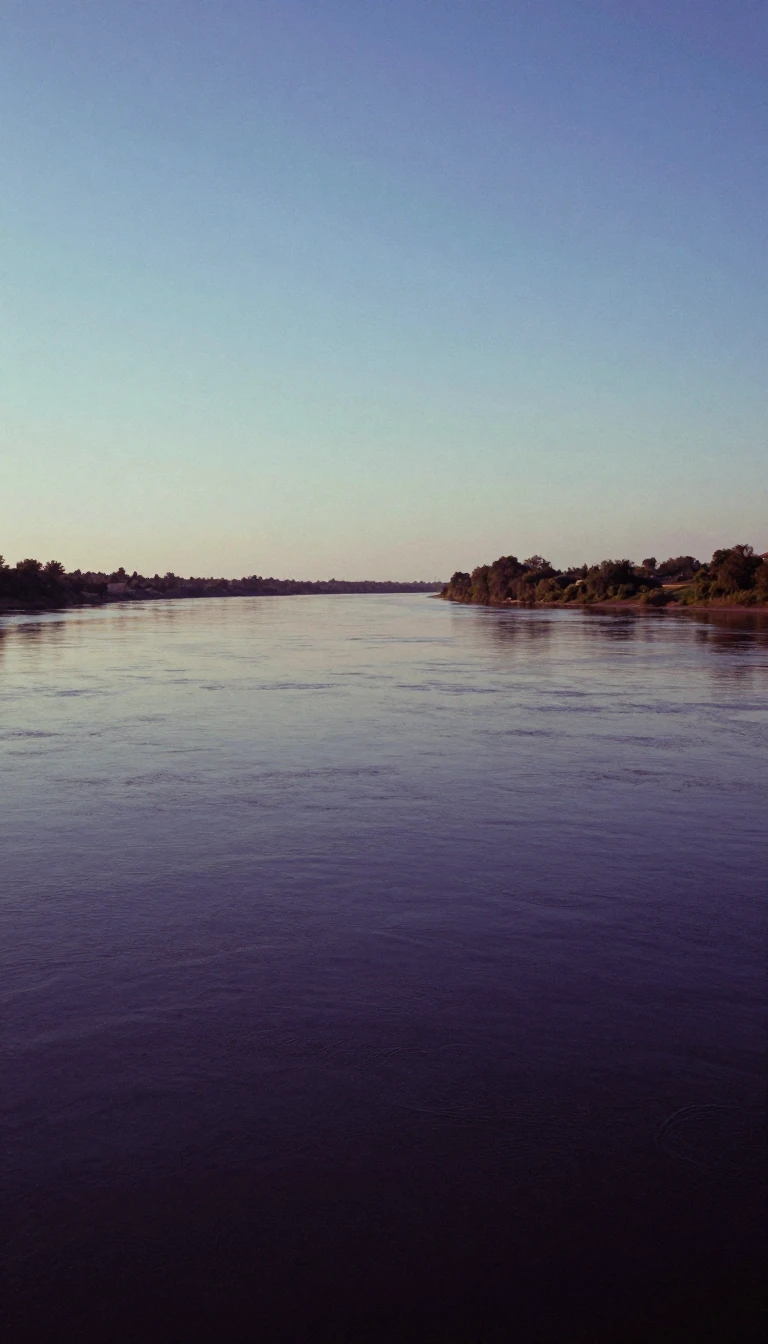
In short: River bars are more than just piles of sand; they are dynamic landforms that reveal the hidden physics of water flow. From the crescent-shaped deposits in meandering bends to the shifting mid-channel islands of braided streams, these features dictate how rivers reshape landscapes and eventually transform their own channels.
At its core, a river bar is an elevated accumulation of sediment, such as sand or gravel, deposited by flowing water. These features act as physical records of a river's energy, forming where the sediment supply rate exceeds the water's capacity to transport it. Their specific geometry and location are dictated by the interplay between the river's path and the power of the current.
In meandering rivers, the process is predictable: as water rounds a bend, the flow slows on the inside curve, causing sediment to drop out of transport and form crescent-shaped point bars. Conversely, the faster, deeper water on the outside curve—the thalweg—erodes the bank, creating a cut bank. Over time, this constant cycle of deposition and erosion can pinch off a meander, creating an oxbow lake. In contrast, braided rivers, often found near mountain fronts or glacial outwash, are overwhelmed by sediment. These high-energy systems create complex, unpredictable patterns of mid-channel bars that shift rapidly due to the lack of stabilizing vegetation and the high stream power.
Obstructions like logjams can also trigger bar formation by forcing water to converge and diverge. This creates a localized environment where erosion occurs upstream and deposition happens downstream, potentially building a central bar that may eventually stabilize into an island. At river mouths, the widening channel causes water to slow, depositing sediment into mouth bars. These features can prograde toward the ocean, sometimes extending across the entire river mouth to block flow. Whether temporary or permanent, these bars are essential components of river morphology, constantly evolving as they respond to the relentless pressure of the water.
Opens the Intellect+ feed with this card first. Swipe up for the next one.
Sources
- Summary by Intellect · source: Bar (river morphology)
To cite this card, link to https://intellectplus.co.uk/app/nature-bar-river-morphology.
How we source, check and correct cards: Editorial standards.
General information, not professional advice. Spotted an error? Flag the card or see corrections and complaints.
Intellect Plus is a visual educational discovery platform for exploring fascinating facts and ideas. Brain Food, Not Brain Rot. What is Intellect Plus?
Related
More in Geomorphology · More in Nature · Latest · A–Z · All topics
