Why the ancient Roman road-building techniques still influence our modern highways today
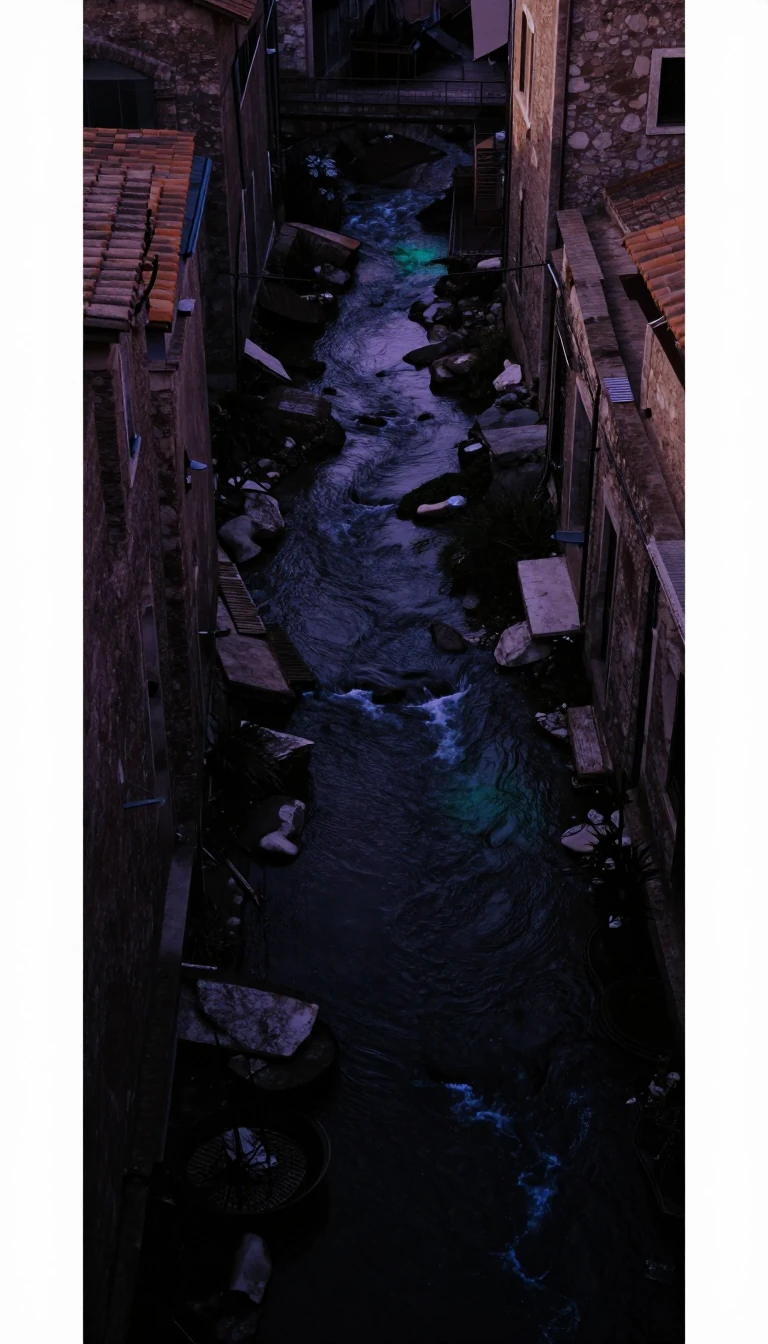
In short: Roads are more than just asphalt; they are complex engineering feats designed to manage water, weight, and wear. From the stone-paved streets of ancient Ur to modern rubberized mixtures, the evolution of pavement reveals a constant struggle to balance durability, cost, and the relentless pressure of human traffic.
The history of road surfaces is a long pursuit of stability. While the term pavement derives from the Latin pavimentum, meaning a floor rammed down, early builders quickly realized that natural materials often failed under the weight of wheeled transport, especially when wet. By 4000 BC, the city of Ur featured paved streets, and by 2000 BC, the Minoans had constructed a sophisticated 50 km road in Crete. This road featured side drains and a 200 mm thick pavement of sandstone blocks, a design arguably superior to many Roman roads, which relied on deep, tamped rubble to stay dry.
Modern road construction largely diverged in the 18th century with the work of British engineers Thomas Telford and John Loudon McAdam. Telford pioneered sloped roadbeds for drainage, while McAdam argued that native soil could support traffic if protected by a water-resistant crust. This focus on drainage remains critical; moisture in the subbase is a primary cause of pavement failure. Today, engineers use heavy vehicle simulators to test how cumulative loads affect structural integrity, allowing them to optimize materials like asphalt concrete—a flexible, viscous mixture that has dominated since the 1920s.
The choice of material often comes down to economics and traffic volume. While concrete is stronger, more durable, and more fuel-efficient than asphalt, it carries a higher initial cost and can produce a hypnotic, fatiguing sound for drivers due to expansion joints. Conversely, asphalt is cheaper and quieter but less durable. Interestingly, some jurisdictions are now reconsidering gravel for low-volume roads, as maintenance costs for gravel can become lower than paved surfaces once traffic drops below 200 vehicles per day. Innovation continues through recycling, with processes like rubblization and in-place recycling allowing old, distressed roads to be repurposed into new, sustainable foundations.
Opens the Intellect+ feed with this card first. Swipe up for the next one.
Sources
- Summary by Intellect · source: Road surface
To cite this card, link to https://intellectplus.co.uk/app/nature-road-surface.
How we source, check and correct cards: Editorial standards.
General information, not professional advice. Spotted an error? Flag the card or see corrections and complaints.
Intellect Plus is a visual educational discovery platform for exploring fascinating facts and ideas. Brain Food, Not Brain Rot. What is Intellect Plus?
Related
More in Air · More in Nature · Latest · A–Z · All topics
