When rivers split, they can send water to opposite sides of a continent.
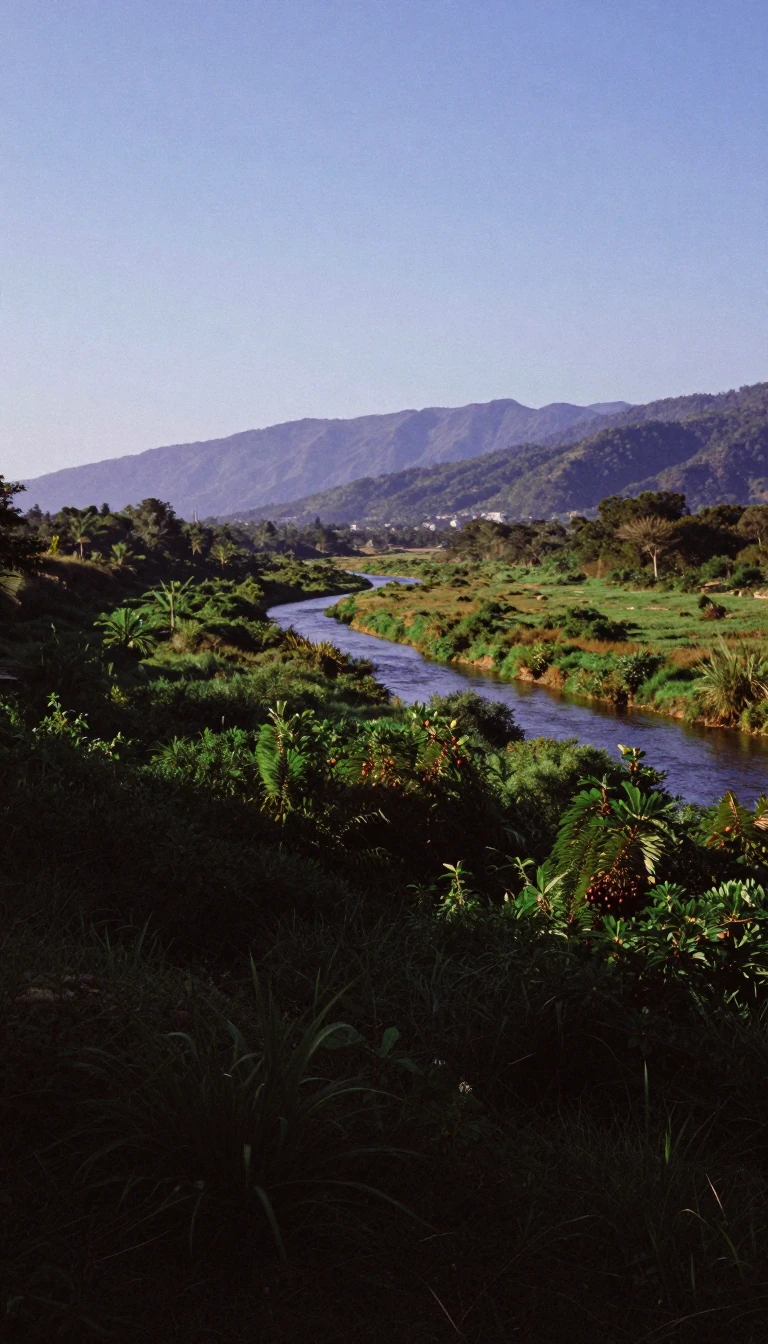
In short: River bifurcation occurs when a single channel splits into multiple distributaries. While often temporary, these forks can reshape entire landscapes and even connect separate continental basins. From the Amazon to the Mississippi, these rare hydrological events redistribute water, sediment, and nutrients, sometimes forcing rivers to flow toward different oceans.
River bifurcation is the process where a single river channel divides into two or more separate streams, known as distributaries. This phenomenon is common in meandering and braided river systems, where the stability of the split depends on upstream flow rates and sediment transport. While some bifurcations are semi-permanent, others are fleeting, often initiated by the accumulation of sediment bars that force water to diverge. Over time, these systems evolve as bars migrate or channels shift, frequently leading to the eventual deterioration of one branch until the entire flow is captured by a single channel.
The impact of these splits extends far beyond local geography. In delta regions, bifurcation is a critical mechanism for transporting nutrients and mineral particulates, supporting ecosystems that house roughly half a billion people. However, the initiation or sudden closure of a channel can trigger significant environmental changes, including localized flooding or the disruption of sediment deposition. Because these events are often semi-permanent and unpredictable, they are rarely sites of major human construction, unlike river confluences which have historically served as hubs for trade and urban development.
Remarkable examples of bifurcation demonstrate the power of these systems to bridge vast distances. The Casiquiare canal in Venezuela creates a navigable link between the Orinoco and Amazon basins, effectively creating Guiana Island. Similarly, at the North American continental divide, Divide Creek and North Two Ocean Creek split their waters, sending branches toward both the Pacific and Atlantic oceans. While some bifurcations are natural, others are influenced by human intervention, such as the damming of the Kalaus River in Russia or the ancient canalisation of the Bahr Yussef in Egypt, which has been modified since the 12th Dynasty to sustain the Fayum Depression.
Opens the Intellect+ feed with this card first. Swipe up for the next one.
Sources
- Summary by Intellect · source: River bifurcation
To cite this card, link to https://intellectplus.co.uk/app/nature-river-bifurcation.
How we source, check and correct cards: Editorial standards.
General information, not professional advice. Spotted an error? Flag the card or see corrections and complaints.
Intellect Plus is a visual educational discovery platform for exploring fascinating facts and ideas. Brain Food, Not Brain Rot. What is Intellect Plus?
Related
More in Air · More in Nature · Latest · A–Z · All topics
