Why the Saffir–Simpson scale measures wind speed but ignores the true power of storms
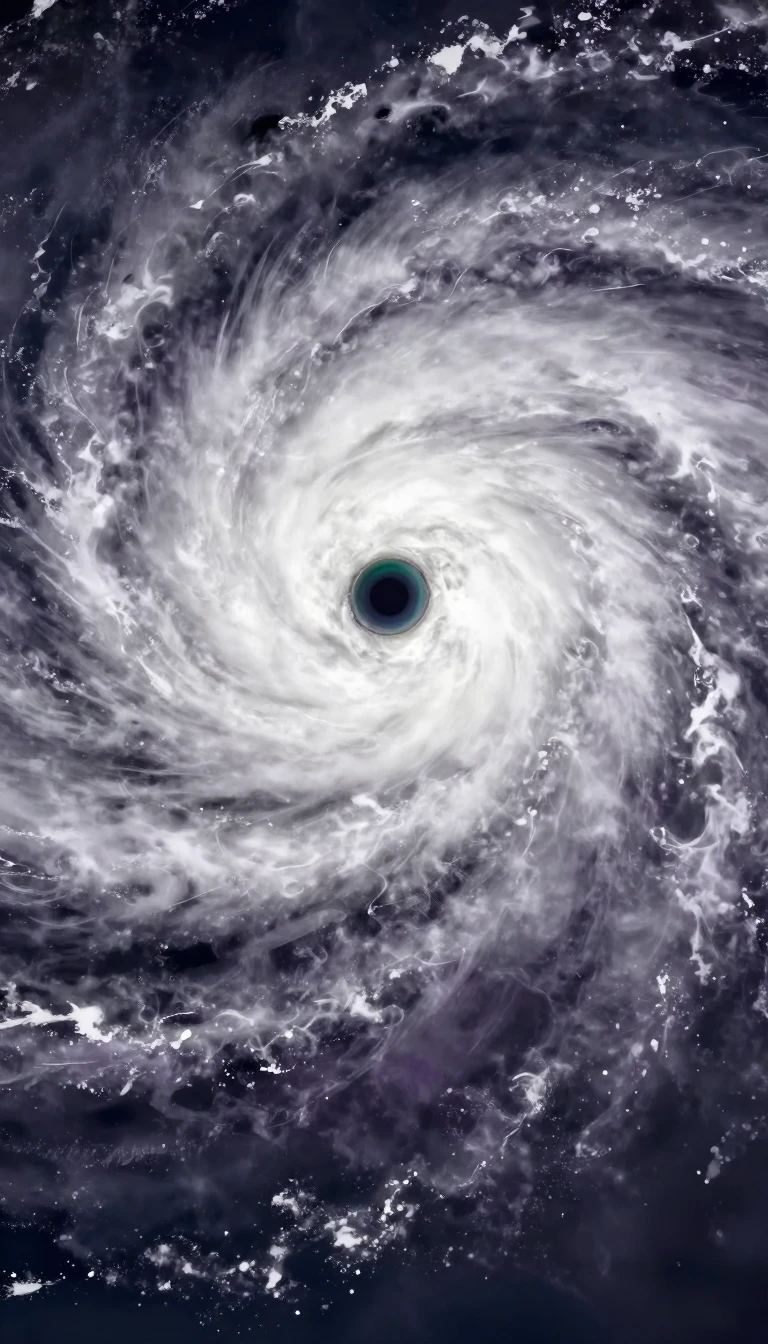
In short: The Saffir–Simpson scale is a household name for hurricane intensity, yet it is often misunderstood. Designed as a simple tool to gauge potential structural damage, it focuses exclusively on wind speed. Critics argue this leaves out critical threats like rainfall and storm surge, which often cause the most destruction.
Developed in 1971 by civil engineer Herbert Saffir and meteorologist Robert Simpson, the scale was intended to provide a straightforward guide for regions lacking robust building codes. Saffir, inspired by earthquake intensity metrics like the Richter scale, originally proposed a damage-based system. Simpson later refined it into a wind-focused classification, officially introducing it to the public in 1975.
The scale is strictly a wind-speed metric. Since 2010, the National Hurricane Center has excluded storm surge and pressure data, recognizing that a Category 2 storm hitting a major city can cause more cumulative damage than a Category 5 storm in a rural area. The scale categorizes storms from 1 to 5, with Category 3 and above designated as major hurricanes. Because it is quantized into five discrete steps rather than a continuous range, it is frequently criticized for its lack of nuance.
Calls for a 'Category 6' have surfaced repeatedly, particularly after intense seasons like 2005 and storms like Irma in 2017. However, co-creator Robert Simpson long argued against extending the scale. He maintained that once winds exceed 155 mph, the potential for structural rupture is already so extreme that further categorization is unnecessary for engineering purposes. Proposals for more complex, continuous indices—such as the Hurricane Hazard Index—have been suggested by scientists like Kerry Emanuel, but none have been officially adopted.
The scale is used only in the Atlantic and northern Pacific east of the International Date Line. Comparisons with other regions are difficult because different agencies use varying averaging intervals for wind speeds. While the Saffir–Simpson scale remains a vital communication tool for public safety, its simplicity is both its greatest strength and its most significant limitation in predicting the full scope of a storm's impact.
Opens the Intellect+ feed with this card first. Swipe up for the next one.
Sources
- Summary by Intellect · source: Saffir–Simpson scale
To cite this card, link to https://intellectplus.co.uk/app/nature-saffir-simpson-scale.
How we source, check and correct cards: Editorial standards.
General information, not professional advice. Spotted an error? Flag the card or see corrections and complaints.
Intellect Plus is a visual educational discovery platform for exploring fascinating facts and ideas. Brain Food, Not Brain Rot. What is Intellect Plus?
Related
More in Air · More in Nature · Latest · A–Z · All topics
