Were these ancient creatures the ancestors of turtles or just evolutionary lookalikes?
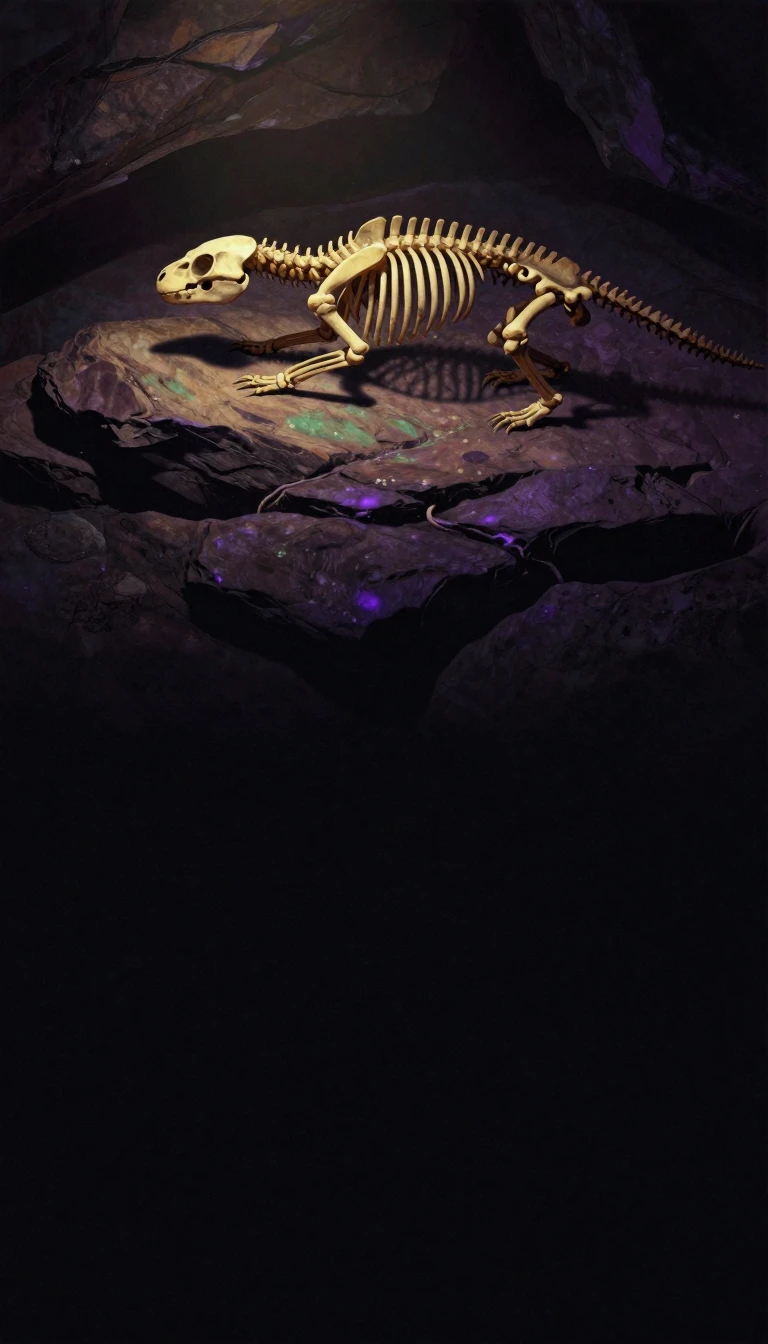
In short: Parareptiles were a diverse group of early reptiles that dominated the Permian period. Once thought to be the direct ancestors of modern turtles, their true place on the tree of life remains a subject of intense scientific debate, with some researchers now classifying them as a paraphyletic grade of primitive sauropsids.
First appearing in the Late Carboniferous, parareptiles—or 'near-reptiles'—represented a significant chapter in vertebrate evolution. They were pioneers of ecological innovation, producing the first reptiles to inhabit marine environments, the first bipedal species, and the first large herbivores, such as the ox-sized pareiasaurs. While they were traditionally grouped as 'anapsids' due to their solid, hole-free skulls, modern analysis reveals this is an oversimplification. Many parareptiles possessed unique skull structures, and some even exhibited temporal fenestration, the openings behind the eyes characteristic of diapsids.
The classification of parareptiles has shifted dramatically since Olson coined the term in 1947. In the 1990s, researchers like Laurin and Reisz proposed that turtles were members of this group, defining Parareptilia as the clade containing turtles and their closest relatives. However, this view has been challenged by molecular studies, including a 2013 analysis of turtle genomes which suggested they are more closely related to archosaurs like birds and crocodilians. If turtles are indeed diapsids that lost their skull openings, then the 'anapsid' features of parareptiles are merely a result of convergent evolution rather than shared ancestry.
Recent studies from the 2020s have further complicated the picture, with some suggesting that Parareptilia is not a single, monophyletic clade at all. Instead, it may be a paraphyletic grade, where some members are more closely related to modern reptiles than to other parareptiles. For instance, a 2020 study by Ford and Benson proposed that parareptiles were ancestrally diapsid, while newer findings suggest that certain groups, like millerettids, might be closer to Neodiapsida. As these ancient lineages continue to be re-evaluated, the definition of what constitutes a 'parareptile' remains in flux, highlighting the difficulty of mapping the early history of reptiles.
Opens the Intellect+ feed with this card first. Swipe up for the next one.
Sources
- Summary by Intellect · source: Parareptilia
To cite this card, link to https://intellectplus.co.uk/app/nature-parareptilia.
How we source, check and correct cards: Editorial standards.
General information, not professional advice. Spotted an error? Flag the card or see corrections and complaints.
Intellect Plus is a visual educational discovery platform for exploring fascinating facts and ideas. Brain Food, Not Brain Rot. What is Intellect Plus?
Related
More in Vertebrates · More in Nature · Latest · A–Z · All topics
