The tarantula hawk wasp turns spiders into living, paralyzed nurseries for its offspring
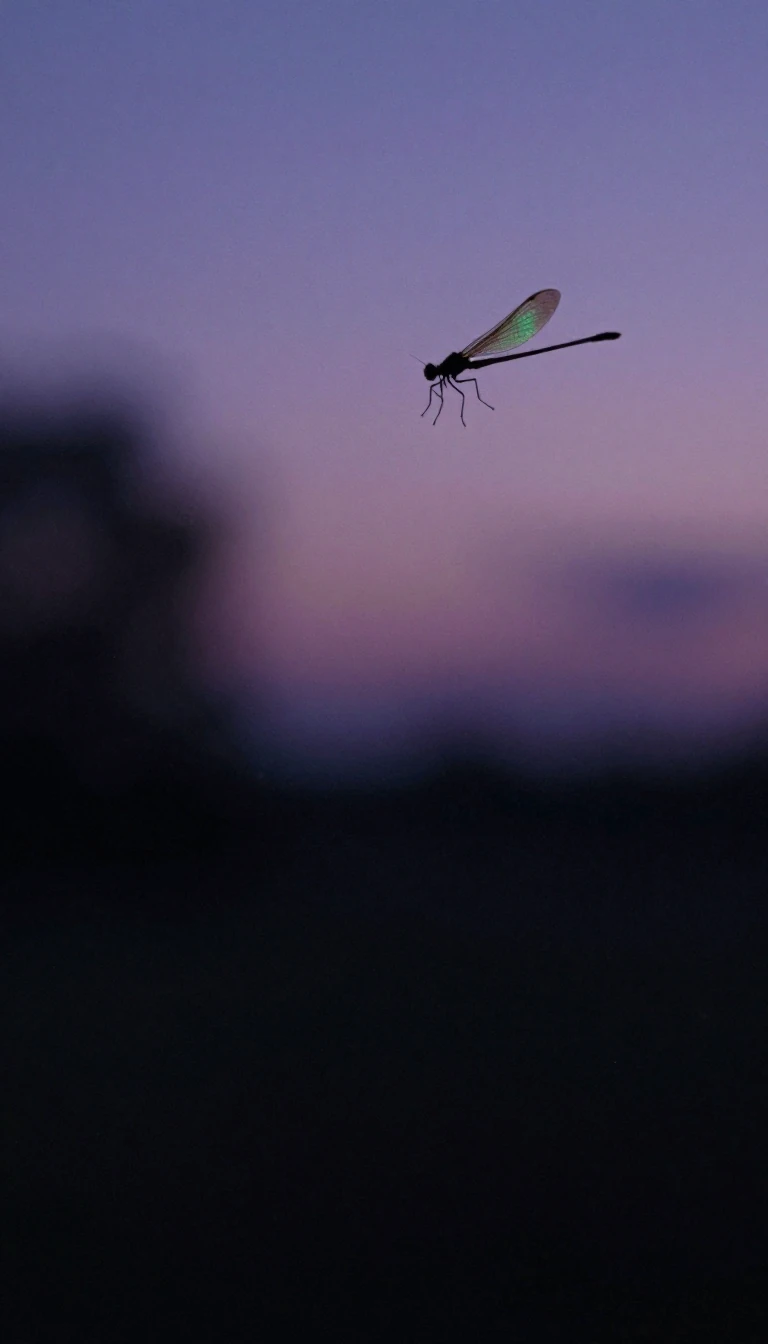
In short: With a sting ranked among the most painful in the world, the tarantula hawk is a formidable predator. These solitary wasps hunt spiders much larger than themselves, injecting a potent venom that leaves the arachnid alive but immobile, serving as a fresh, long-term food source for the wasp's developing larva.
Tarantula hawks, a genus of spider wasps comprising about 130 species, are found across most continents, excluding Europe and Antarctica. These insects are notable for their size, with species like Pepsis heros reaching up to 11 cm in length. While adults primarily consume nectar and pollen, females engage in a specialized reproductive cycle that requires capturing large spiders, such as tarantulas or trap-door spiders.
The hunting process is precise. After locating a spider, the female wasp delivers a sting to the underside of the arachnid's thorax, targeting the nerve ganglia to induce permanent paralysis. This venom does not kill the spider immediately. The wasp then drags the incapacitated victim into a burrow, where she deposits a single egg. Once the larva hatches, it feeds on the spider's hemolymph and eventually its vital organs, ensuring the host remains alive until the final stages of the larva's development.
For humans, the sting of a tarantula hawk is legendary, rated 4.0 on the Schmidt sting pain index. Entomologist Justin O. Schmidt, who developed the scale, described the sensation as instantaneous and electrifying, comparable to a running hair dryer dropped into a bubble bath. Despite the intensity, the pain typically subsides within five minutes and is generally not medically dangerous. The wasp's bright, often orange or amber wings serve as an aposematic signal, warning potential predators of its defensive capabilities.
The wasp's solitary nature and lack of aggression mean they rarely sting unless provoked. Their defensive armor, including a hard exoskeleton and sharp leg spines, further protects them. While few animals attempt to eat them, roadrunners are known to be one of the few predators capable of braving the wasp's formidable sting.
Opens the Intellect+ feed with this card first. Swipe up for the next one.
Sources
- Summary by Intellect · source: Tarantula hawk | Description, Prey, Size, Distribution, Sting, & Facts | Britannica
- Also: Tarantula hawks: The most painful wasp sting in the world explained | Natural History Museum
- Also: Tarantula hawk
To cite this card, link to https://intellectplus.co.uk/app/nature-tarantula-hawk.
How we source, check and correct cards: Editorial standards.
General information, not professional advice. Spotted an error? Flag the card or see corrections and complaints.
Intellect Plus is a visual educational discovery platform for exploring fascinating facts and ideas. Brain Food, Not Brain Rot. What is Intellect Plus?
Related
More in Arthropods · More in Nature · Latest · A–Z · All topics
