Why do temperate deciduous forests transform their appearance so dramatically every single year?
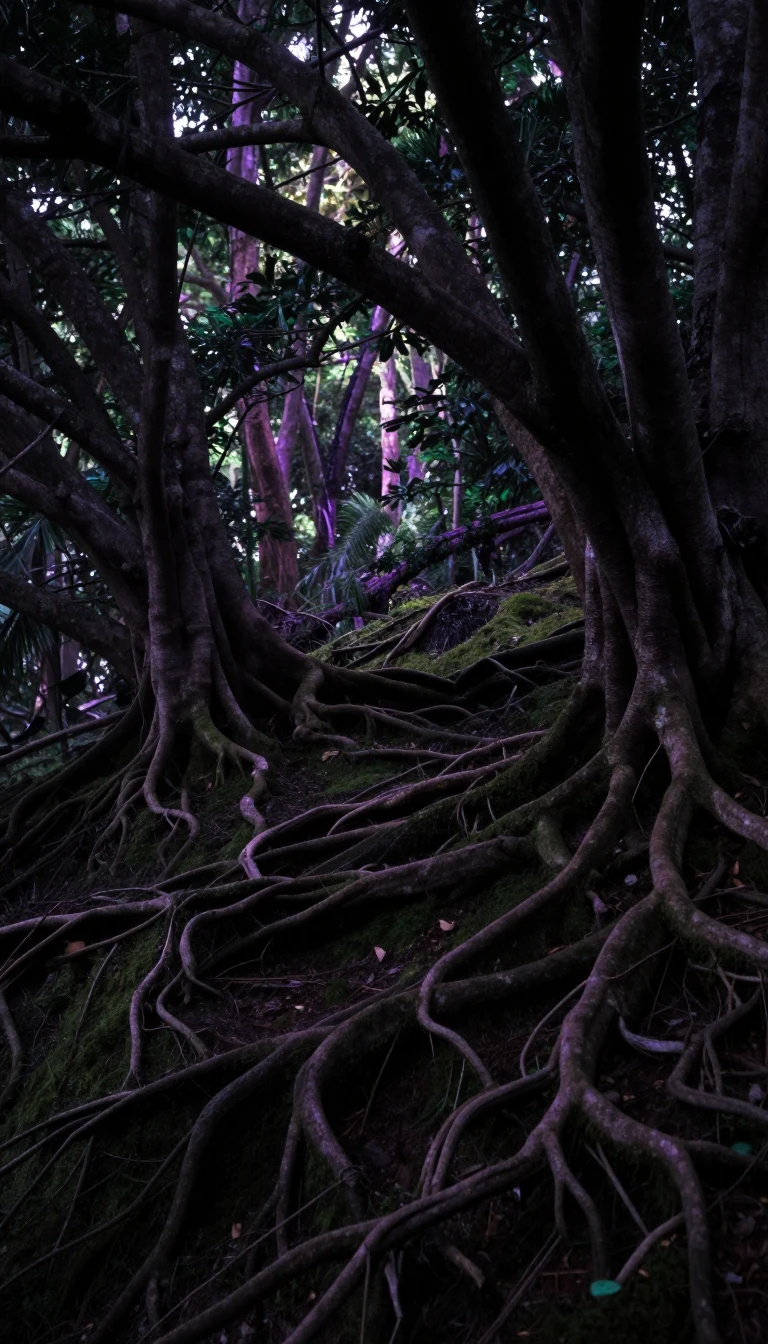
In short: Temperate deciduous forests are defined by their rhythmic, four-season cycle. As temperatures drop and daylight wanes, these ecosystems undergo a profound transformation, with trees shedding their leaves to enter a state of dormancy. This seasonal shedding is a sophisticated survival strategy, allowing broadleaf trees to endure harsh, freezing winters.
Located primarily in mid-latitude regions—including eastern North America, Europe, and East Asia—these forests exist between the tropics and polar zones. They are characterized by a climate that balances warm, moist summers with cold winters, receiving between 750 and 1,500 millimeters of annual precipitation. This moisture is distributed relatively evenly throughout the year, supporting a diverse array of broadleaf trees like oaks, maples, and beeches.
The defining feature of this biome is the annual senescence of leaves. As autumn approaches, declining temperatures and shorter days trigger a chemical breakdown of chlorophyll, revealing vibrant pigments like anthocyanin and carotene. By shedding their leaves, trees conserve energy and prevent water loss during the winter months, entering a period of dormancy. This cycle is essential for survival, as it protects the trees from the bitter cold and low-light conditions that characterize the winter season.
Spring brings a rapid renewal of life. Before the dense canopy fully develops, sunlight reaches the forest floor, fueling the growth of wildflowers and spring ephemerals. Once the canopy closes in summer, it creates a shaded, humid microclimate that is roughly 2.1°C cooler than the surrounding environment. This complex structure provides critical ecosystem services, including carbon storage and watershed protection, though these forests remain highly vulnerable to human-induced threats like agricultural expansion, logging, and the shifting climate patterns that are currently forcing species to migrate toward higher latitudes or elevations.
Opens the Intellect+ feed with this card first. Swipe up for the next one.
Sources
- Summary by Intellect · source: Biome: Temperate Deciduous Forest - NASA Science
- Also: Temperate deciduous forest
- Also: Deciduous forest | Biome, Importance, Definition, Biota, & Characteristics | Britannica
To cite this card, link to https://intellectplus.co.uk/app/nature-temperate-deciduous-forest.
How we source, check and correct cards: Editorial standards.
General information, not professional advice. Spotted an error? Flag the card or see corrections and complaints.
Intellect Plus is a visual educational discovery platform for exploring fascinating facts and ideas. Brain Food, Not Brain Rot. What is Intellect Plus?
Related
More in Earth science basics · More in Nature · Latest · A–Z · All topics
