Why these forests shed their leaves to survive months of intense seasonal drought
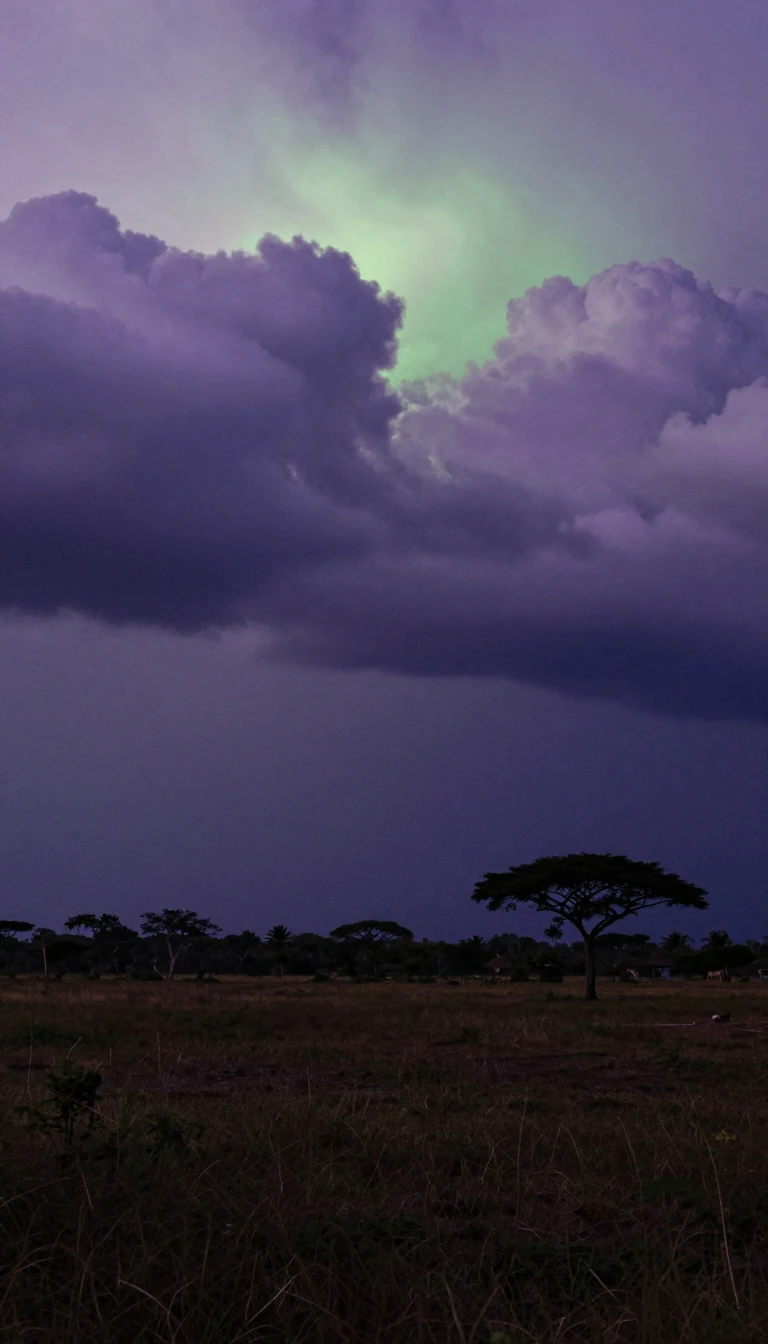
In short: Tropical and subtropical dry broadleaf forests are defined by their dramatic seasonal shifts. While they remain warm year-round, they endure months of drought that force trees to shed their leaves to conserve water. This transformation creates a unique, sun-drenched ecosystem that supports surprisingly high levels of mammalian biomass.
Located primarily in two bands between 10° and 20° north and south of the equator, these forests exist in the transition zones between tropical rainforests and subtropical deserts. Unlike the lush, evergreen canopy of a rainforest, the dry forest is dominated by deciduous species like teak and mountain ebony. By dropping their leaves during the dry season, these trees prevent moisture loss, effectively opening the canopy to allow sunlight to reach the forest floor and stimulate the growth of thick underbrush.
While these regions are generally less biologically diverse than rainforests, they are far from barren. They host a wide array of wildlife, including monkeys, large cats, parrots, and ground-dwelling birds. Notably, Asian and African dry forests often exhibit higher mammalian biomass than their wetter counterparts. Some areas, such as the dry forests of central India, Indochina, and the lowlands of Bolivia, are particularly noted for their diverse vertebrate populations, while Madagascar and New Caledonia are recognized for their high levels of unique, endemic species.
The survival of these ecosystems is precarious. Because species in these forests often have restricted ranges, the biome is highly sensitive to human interference. Effective conservation requires the preservation of large, continuous tracts of land to support large predators and provide buffers against hunting and environmental stressors like forest fires. The presence of riparian zones and reliable water sources is vital, as many trees rely on underground water to survive the dry months. Once degraded by overgrazing or excessive burning, these forests are notoriously difficult to restore, making the protection of intact areas a critical priority for maintaining global biodiversity.
Opens the Intellect+ feed with this card first. Swipe up for the next one.
Sources
- Summary by Intellect · source: Tropical and subtropical dry broadleaf forests
To cite this card, link to https://intellectplus.co.uk/app/nature-tropical-and-subtropical-dry-broadleaf-forests.
How we source, check and correct cards: Editorial standards.
General information, not professional advice. Spotted an error? Flag the card or see corrections and complaints.
Intellect Plus is a visual educational discovery platform for exploring fascinating facts and ideas. Brain Food, Not Brain Rot. What is Intellect Plus?
Related
More in Earth science basics · More in Nature · Latest · A–Z · All topics
