Therocephalians were the ancient, beast-headed cousins that almost became our mammalian ancestors.
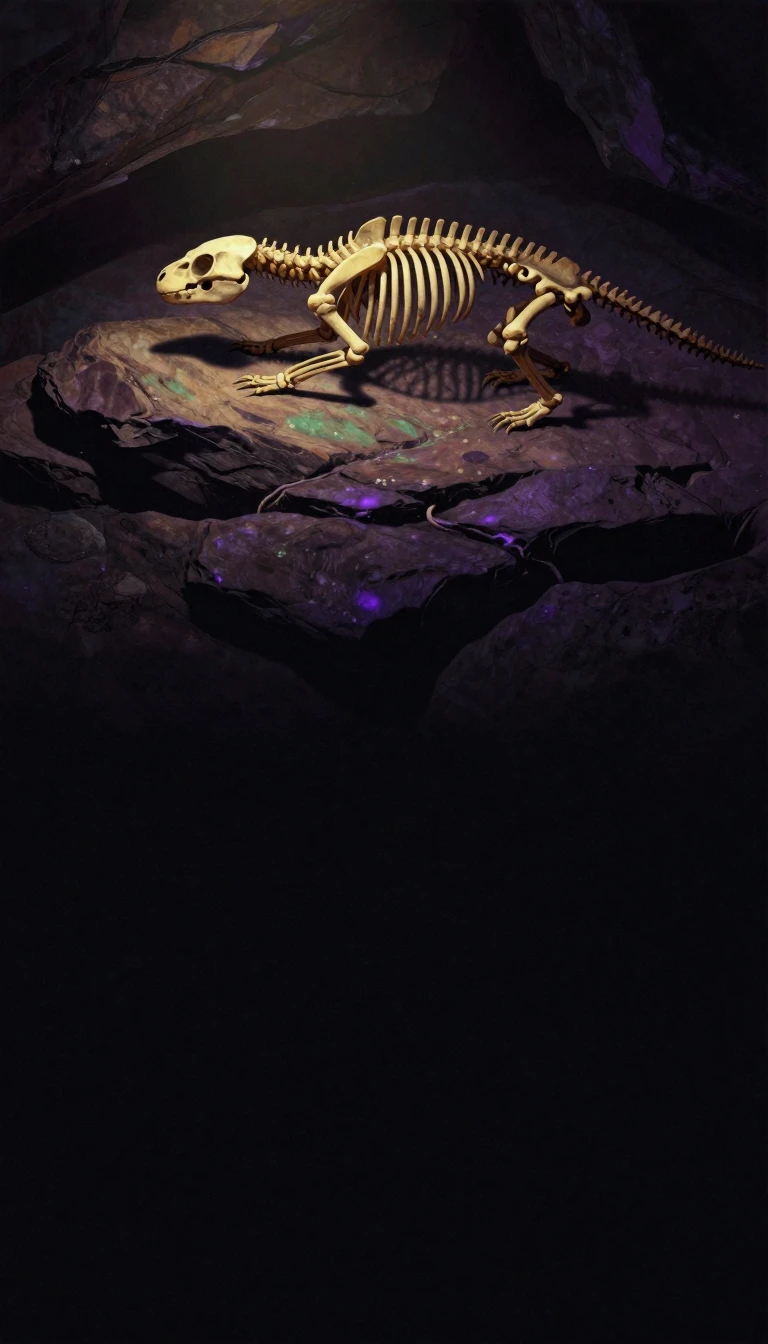
In short: Named for their massive skulls, therocephalians were once labeled mammal-like reptiles. These carnivores thrived across the supercontinent Pangaea, sharing a deep evolutionary link with the cynodonts that eventually gave rise to mammals. While they survived the Permian-Triassic extinction, their reign ended in the early Middle Triassic, leaving behind a complex, debated legacy.
Therocephalia, meaning beast-heads, represents a group of extinct therapsids that dominated the Permian and Triassic periods. First named by Robert Broom in 1903, the group was initially defined by primitive features, leading to decades of taxonomic confusion where unrelated animals like gorgonopsians were mistakenly included. Modern research has refined this, placing them as the sister clade to Cynodontia within Eutheriodontia, though the exact nature of this relationship remains a subject of intense scientific scrutiny.
The biology of these creatures reveals a fascinating mix of primitive and advanced traits. While early forms resembled gorgonopsians with large, sabre-like canines, derived therocephalians evolved features strikingly similar to mammals, such as a secondary palate and a reduced postorbital bar. Some species even displayed potential evidence of warm-bloodedness through maxilloturbinal ridges. Other specialized groups, such as the aquatic ictidosuchids, developed unique cranial joints and scleral rings, while genera like Euchambersia are suspected of having possessed venomous bites, potentially making them the oldest tetrapods to evolve such a trait.
Despite their success, the group faced a sharp decline following the Permian-Triassic extinction. While cynodonts diversified rapidly, therocephalians experienced a diminished rate of cladogenesis, with most lineages vanishing by the late Anisian. Their extinction is often attributed to climate change and competition with archosaurs. Today, their classification remains fluid; while most researchers support their monophyly, recent 2024 studies using endocranial data have reignited debates about whether they are truly a distinct clade or a paraphyletic group ancestral to the ancestors of modern mammals.
Opens the Intellect+ feed with this card first. Swipe up for the next one.
Sources
- Summary by Intellect · source: Therocephalia
To cite this card, link to https://intellectplus.co.uk/app/nature-therocephalia.
How we source, check and correct cards: Editorial standards.
General information, not professional advice. Spotted an error? Flag the card or see corrections and complaints.
Intellect Plus is a visual educational discovery platform for exploring fascinating facts and ideas. Brain Food, Not Brain Rot. What is Intellect Plus?
Related
More in Vertebrates · More in Nature · Latest · A–Z · All topics
