Amber Fort: A Rajput Masterpiece Built on Secret Passages and Ancient Engineering
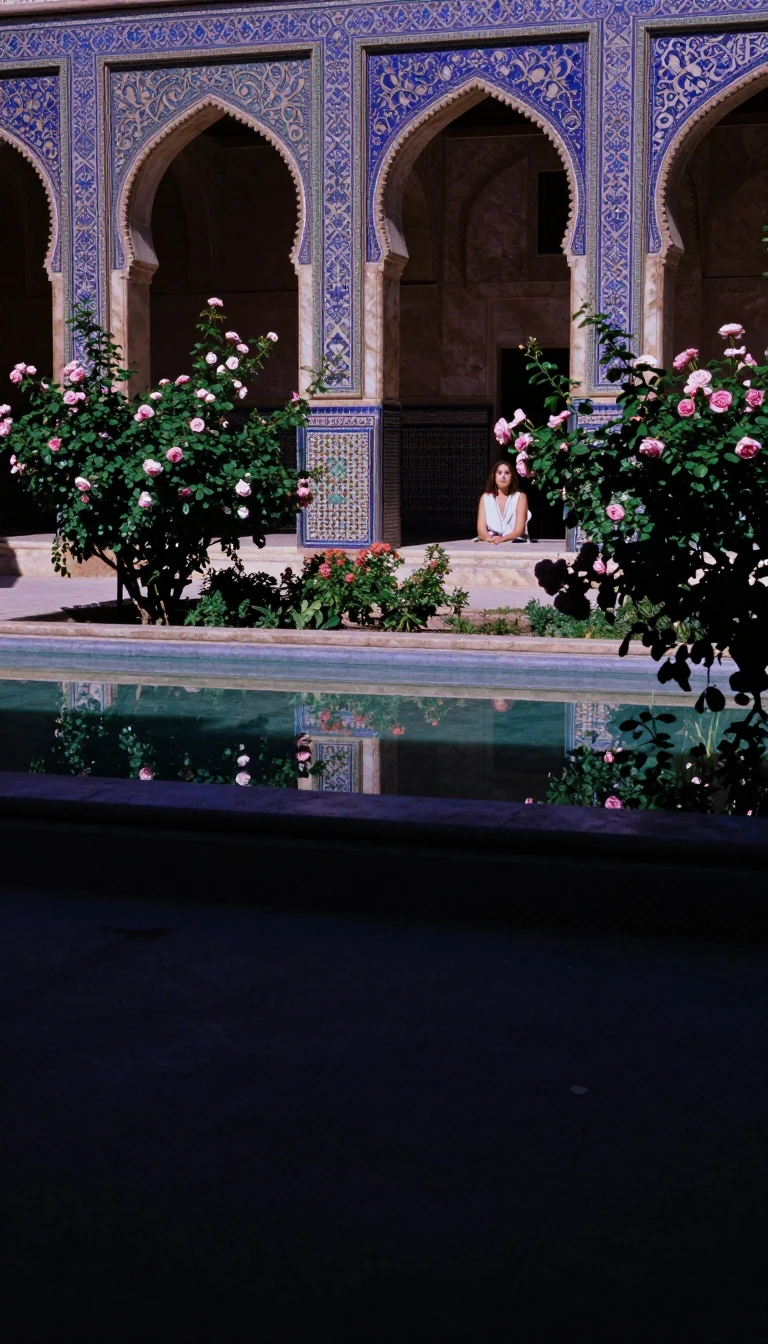
In short: Perched high above Maota Lake, this sprawling complex of red sandstone and marble served as the opulent residence of Rajput Maharajas. Beyond its glittering mirror-inlaid halls and clever air-cooling systems, the fort hides a subterranean escape route connecting it to the more fortified Jaigarh, revealing a history of strategic survival.
Constructed primarily by Raja Man Singh I and expanded over 150 years, the Amber Fort complex represents a pinnacle of Rajput architecture, often blended with Mughal influences. The palace is organized into four distinct levels, each centered on a courtyard. Among its most famous features is the Sheesh Mahal, or Mirror Palace, where convex mirrors and colored foils were designed to create a glittering effect under candlelight. The ingenuity of the builders extended to climate control; the Sukh Niwas, or Hall of Pleasure, utilized a piped water channel to create an artificially cooled environment, a primitive yet effective form of air conditioning.
The site is deeply tied to the Kachhwaha dynasty, which ruled the region from the 11th century until 1727, when the capital shifted to Jaipur. The fort’s history is marked by both grandeur and controversy. For centuries, the royal family practiced animal sacrifice at the Sila Devi temple, a ritual that was only fully banned in recent years. Today, the site faces modern challenges, including intense debates over the commercialization of heritage and the ethics of animal tourism. In 2017, international pressure mounted against the use of elephants for transport to the fort due to documented mistreatment, leading some operators to switch to jeep services.
Conservation efforts have sparked significant friction. While the Amer Development and Management Authority has invested heavily in restoration, critics argue that these projects often compromise the historical integrity of the site. The tension between preservation and profit was highlighted when a film production caused physical damage to ancient structures, prompting the Rajasthan High Court to intervene. Despite these struggles, the fort remains a vital cultural landmark, recognized by UNESCO in 2013 as part of the Hill Forts of Rajasthan. It stands as a testament to the complex, often fraught, relationship between maintaining ancient monuments and navigating the demands of the modern world.
Opens the Intellect+ feed with this card first. Swipe up for the next one.
Sources
- Summary by Intellect · source: Amber Fort
- Also: Wikidata — Amber Fort · CC0
To cite this card, link to https://intellectplus.co.uk/app/places-amber-fort.
How we source, check and correct cards: Editorial standards.
General information, not professional advice. Spotted an error? Flag the card or see corrections and complaints.
Intellect Plus is a visual educational discovery platform for exploring fascinating facts and ideas. Brain Food, Not Brain Rot. What is Intellect Plus?
Related
More in Asia · More in Countries & Cities · Latest · A–Z · All topics
